Category: Technical Blog

16.5 vs 16.47

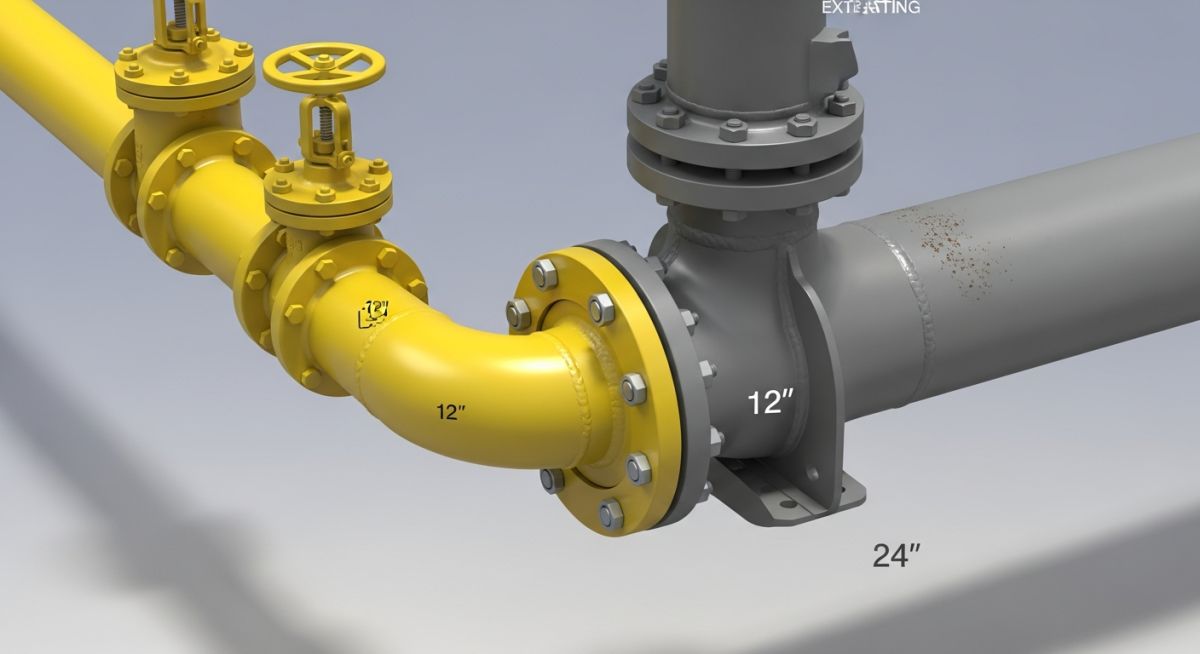
Explore the key differences between ASME B16.5 and ASME B16.47 standards for steel pipe flanges. Learn about flange types, material specifications, and the importance of choosing the right flange for your piping system. Discover practical insights, installation tips, and maintenance best practices. For in-depth knowledge, check out our complete courses on piping engineering at EPCLAND.

Continue Reading →
Pipe Schedule

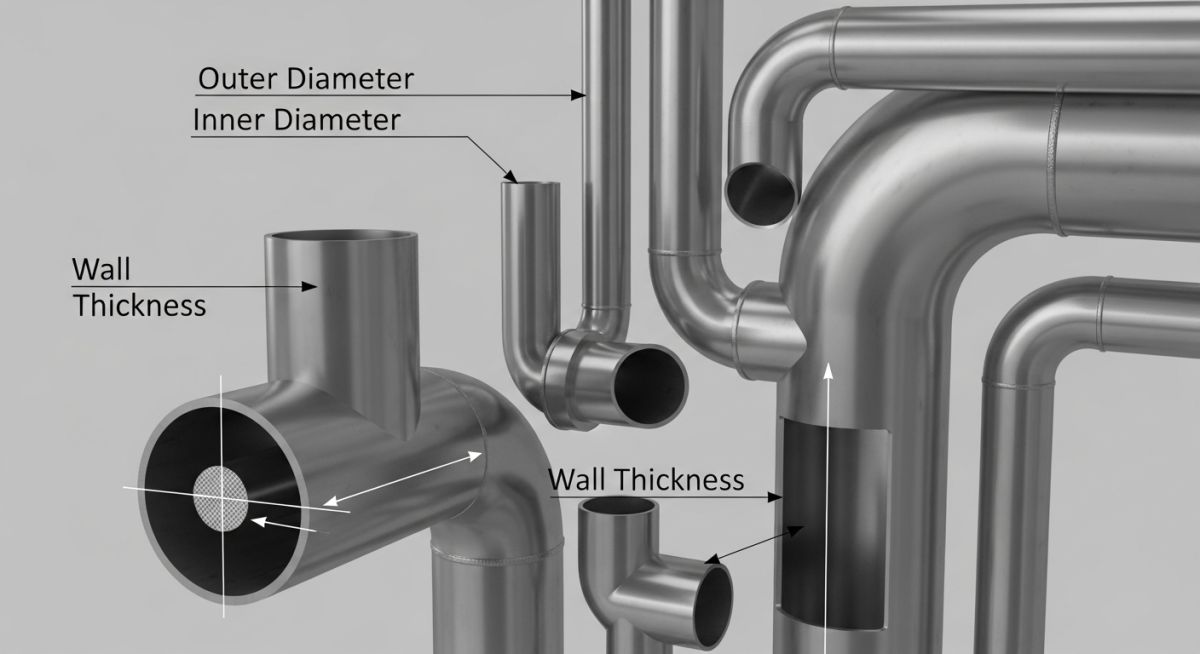
Discover the essential details about pipe sizes, wall thickness, schedules, and weights based on ANSI, ASME, and ASTM standards. Explore in-depth comparisons and data for different pipe sizes to enhance your piping system knowledge. Learn how to select the correct pipe schedule for your project and ensure safety and efficiency.

Continue Reading →
ASME B31.1 & ASME B31.3: Major Differences

In the world of piping engineering, the American Society of Mechanical Engineers (ASME) codes are

Continue Reading →
OISD 118 Refinery Layout Master Plan and Safety Spacing 2026

OISD 118 dictates safety distances for refineries. Master the petroleum installation layout rules and inter-distance compliance for 2026 projects.

Continue Reading →
Material Requisition

Discover everything you need to know about material requisition in oil and gas projects. Learn about its importance, key components, best practices, and common challenges. This comprehensive guide will help you optimize the procurement process in EPC projects for better efficiency and cost management.

Continue Reading →
Dimensionless Numbers

An overview of dimensionless numbers in fluid mechanics, explaining their definitions, significance, and applications in various fields such as engineering and environmental science. Learn about key dimensionless numbers like Reynolds, Mach, and Froude, and their roles in analyzing fluid flow.

Continue Reading →
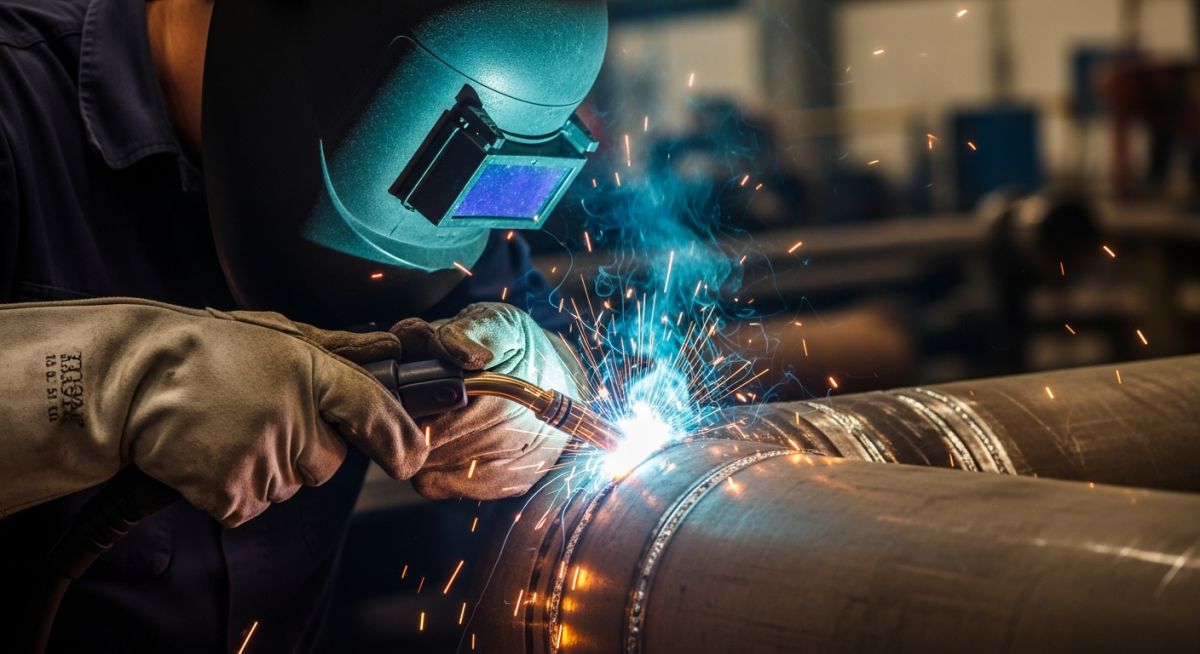
Industrial Pipe Spool Fabrication shop floor with ASME welders working on carbon steel piping segments.

Master Pipe Spool Fabrication techniques. From ASME B31.3 requirements to preventing fit-up errors, this guide optimizes your piping projects.

Continue Reading →
PSV vs PRV

Understand the PSV vs PRV Difference in 2026. Explore pressure safety valve vs relief valve mechanism, API 520 standards, and ASME Section VIII codes.

Continue Reading →
Thrust Blocks and Anchor Blocks

Learn the key differences between thrust blocks and anchor blocks in piping systems, their components, design, purpose, and installation points. Understand the roles of concrete, reinforcement, formwork, protective coatings, and more in constructing effective thrust blocks

Continue Reading →
Check Valve Types

Explore the different types of check valves, including swing, tilted disc, lift, and dual plate check valves. Understand their mechanisms, applications, benefits, and how to choose the right one for your system. This guide also covers check valve symbols, their use in series, and their role in preventing water hammer and backflow in various industries.

Continue Reading →
Swing Check valve Vs Wafer Check valve

Compare swing check valves and wafer check valves in terms of design, functionality, and cost. Discover which valve suits your needs based on flow capacity, space requirements, and budget. Learn about the key differences, installation considerations, and maintenance tips to make an informed choice for your piping systems.

Continue Reading →
Valve Trim components 3D cutaway showing cage plug and seat ring for severe service applications.

Valve Trim defines the heart of flow control. Learn about API 600 charts, materials selection, and anti-cavitation designs to prevent failure

Continue Reading →