Types of Steel: Complete Guide to Steel Grades, Classification & Real-World Applications
I’ve spent more than two decades working with different types of steel in refineries, petrochemical plants, and fabrication yards. And I’ll be blunt — most failures I’ve seen were not design mistakes… they were wrong material selection.
A piping system fails in 2 years instead of 20. A structure corrodes despite being “stainless.” A tool breaks under load when it shouldn’t. These are not rare incidents — they’re everyday site problems when engineers don’t fully understand steel grades and classification.
In this guide, I’ll walk you through types of steel the way we actually evaluate them in the field — not textbook theory, but what works under pressure, heat, corrosion, and real operating conditions.
- Steel is classified based on chemical composition, manufacturing, and application, not just labels
- Carbon steel dominates industrial use but has strict corrosion limitations
- Stainless steel types behave very differently depending on microstructure
- Alloy steel selection directly impacts equipment life in high-temperature service
- Understanding steel grades and numbering systems prevents costly engineering mistakes
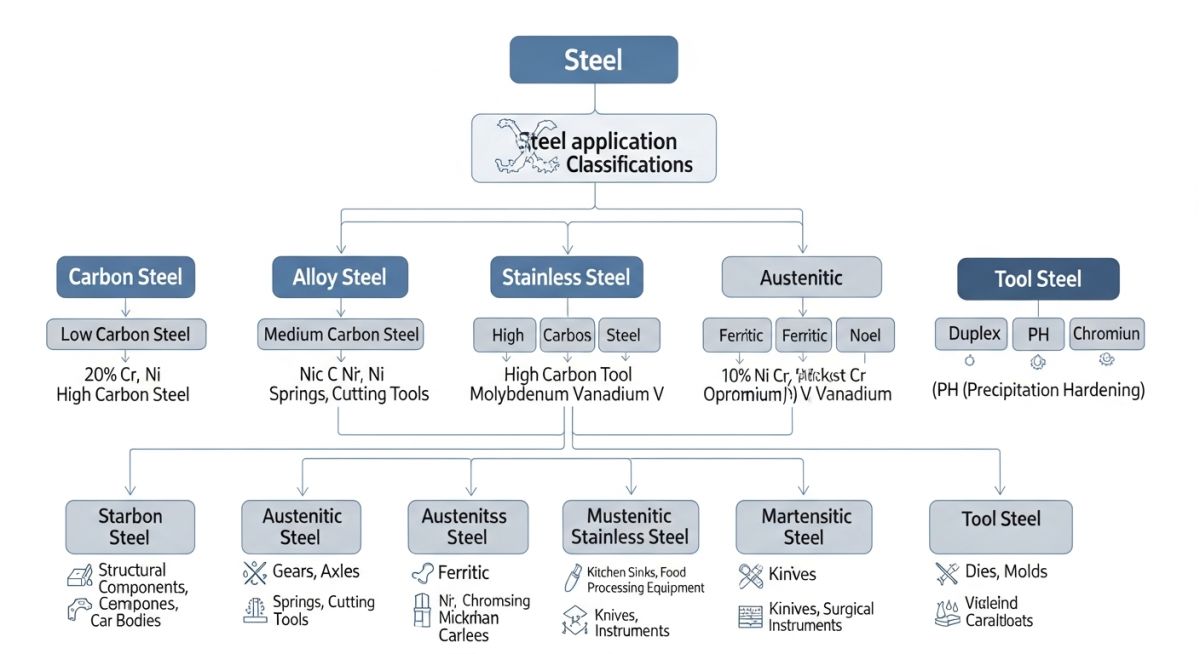
Types of steel are classified based on chemical composition, manufacturing process, and application. The four primary categories are carbon steel, alloy steel, stainless steel, and tool steel. Each type has unique properties like strength, corrosion resistance, and heat tolerance, making them suitable for specific engineering and industrial applications.
Interactive Engineering Quiz
Types of Steel Based on Chemical Composition
In my field experience across refineries and fabrication yards, chemical composition is the first filter when selecting steel. Everything else—strength, corrosion behavior, weldability—flows from it.
1. Carbon Steel
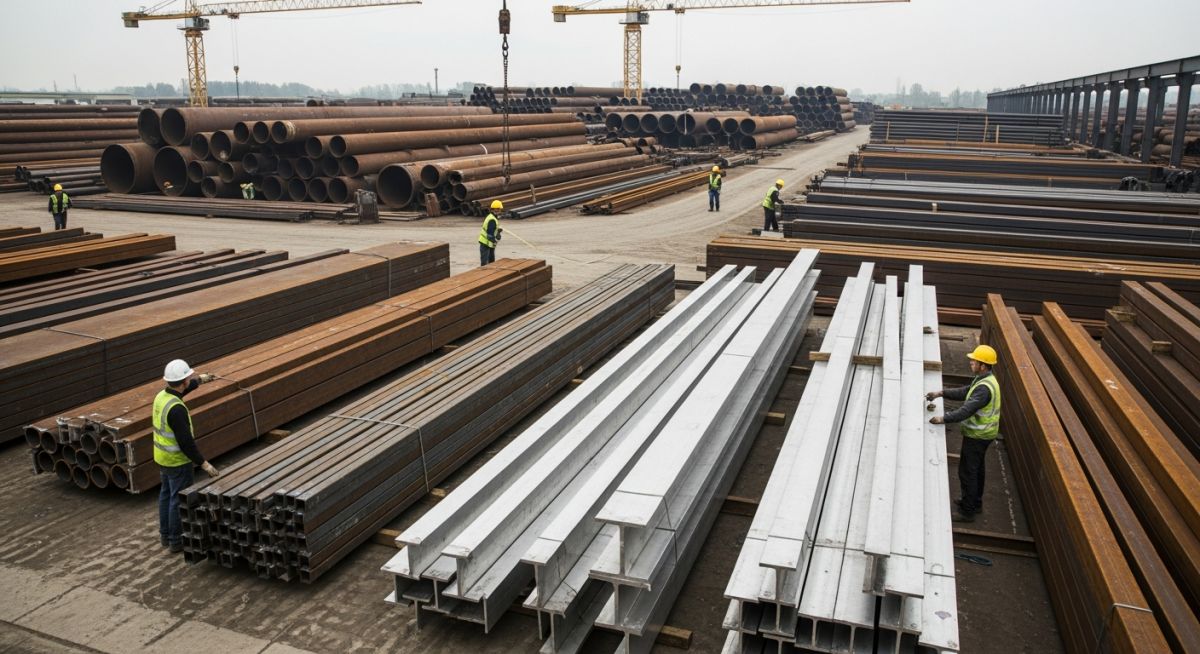
Carbon steel is the backbone of industrial projects. You’ll find it in piping, tanks, and structural frameworks. The catch is corrosion resistance is poor, especially in sour or marine environments.
2. Alloy Steel
Alloying elements like Chromium (Cr), Molybdenum (Mo), and Nickel (Ni) are added to improve high-temperature strength and resistance. In hydrocarbon processing units, I’ve seen Cr-Mo steels outperform carbon steel by years.
3. Stainless Steel
Stainless steels rely on chromium oxidation resistance. But here is the catch — not all stainless steels behave the same.
- Austenitic (304, 316): Best corrosion resistance, widely used
- Ferritic: Lower cost, but limited corrosion resistance
- Martensitic: High hardness, used in tools and blades
- Duplex: High strength + corrosion resistance (ideal for offshore)
- PH Stainless Steel: High strength via heat treatment
4. Tool Steel
Tool steels are built for wear resistance and hardness. In fabrication shops, improper grade selection leads to early tool failure—something I’ve personally dealt with on site.
Comparison of Major Types of Steel
| Steel Type | Strength | Corrosion Resistance | Common Applications |
|---|---|---|---|
| Carbon Steel | Medium | Low | Piping, structures |
| Alloy Steel | High | Medium | Pressure vessels |
| Stainless Steel | Medium | High | Food, marine, chemical plants |
| Tool Steel | Very High | Low | Cutting tools, dies |
Field Case Study: Real-World Application
In a coastal refinery project, the structural supports made from Ferritic stainless steel started showing rust patches within 8 months of commissioning.
When I reviewed the material specs, the issue was immediately clear. The environment had high chloride exposure due to sea air, but the selected grade lacked sufficient corrosion resistance.
We performed inspection referencing ASTM standards and confirmed surface degradation due to pitting corrosion.
- Material upgraded to Austenitic SS 316
- Corrosion reduced by >90% within monitored period
- Projected life increased from 2 years to 15+ years
Field Lesson: Always match stainless steel grade with environment—not just name. In coastal or chemical exposure zones, I never approve material before checking chloride compatibility.
Engineering FAQs on Types of Steel
What is the most commonly used type of steel?
Which steel is best for corrosion resistance?
What is the difference between alloy and carbon steel?
Why does stainless steel rust?
What is duplex stainless steel used for?
Which steel is best for high temperature?
Complete Course on
Piping Engineering
Check Now
Key Features
- 125+ Hours Content
- 500+ Recorded Lectures
- 20+ Years Exp.
- Lifetime Access
Coverage
- Codes & Standards
- Layouts & Design
- Material Eng.
- Stress Analysis

📚 Recommended Resources: Types of Steel
Read these Guides
- 📄 Types of Structural Steel Shapes: The 2026 Engineering Guide to AISC Sections
- 📄 A36 Steel: Composition, Properties, and Real-World Engineering Applications
- 📄 What are Industrial Agitators? Selection, Types & Design Explained from Field Experience
- 📄 What is Nitriding Process? Benefits, Types & Real Field Applications