Master ball valve seat selection using ASME B16.34 standards. Compare metal and soft PTFE seats to prevent leakage in 3 high-pressure piping systems.
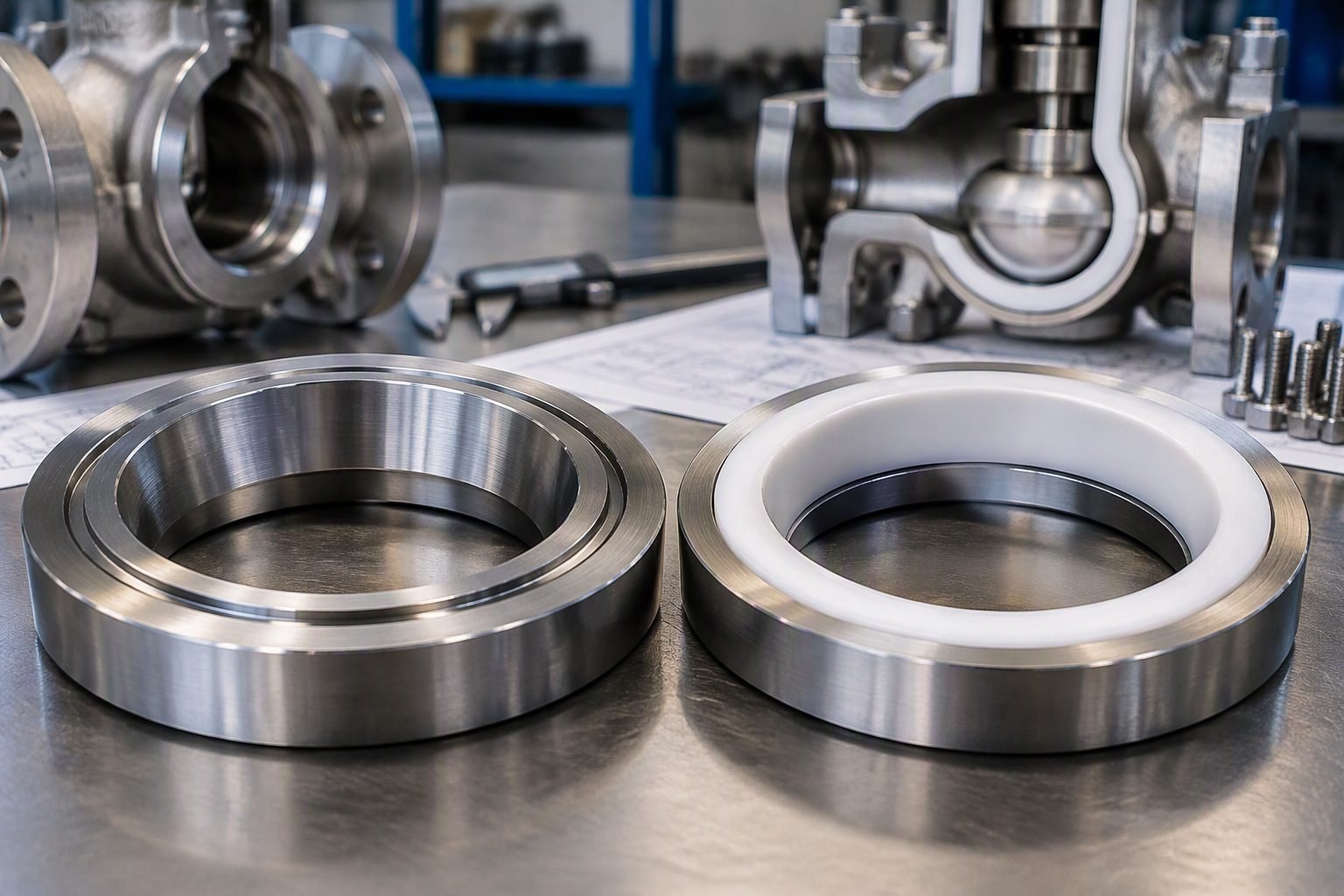
Master ball valve seat selection using ASME B16.34 standards. Compare metal and soft PTFE seats to prevent leakage in 3 high-pressure piping systems.
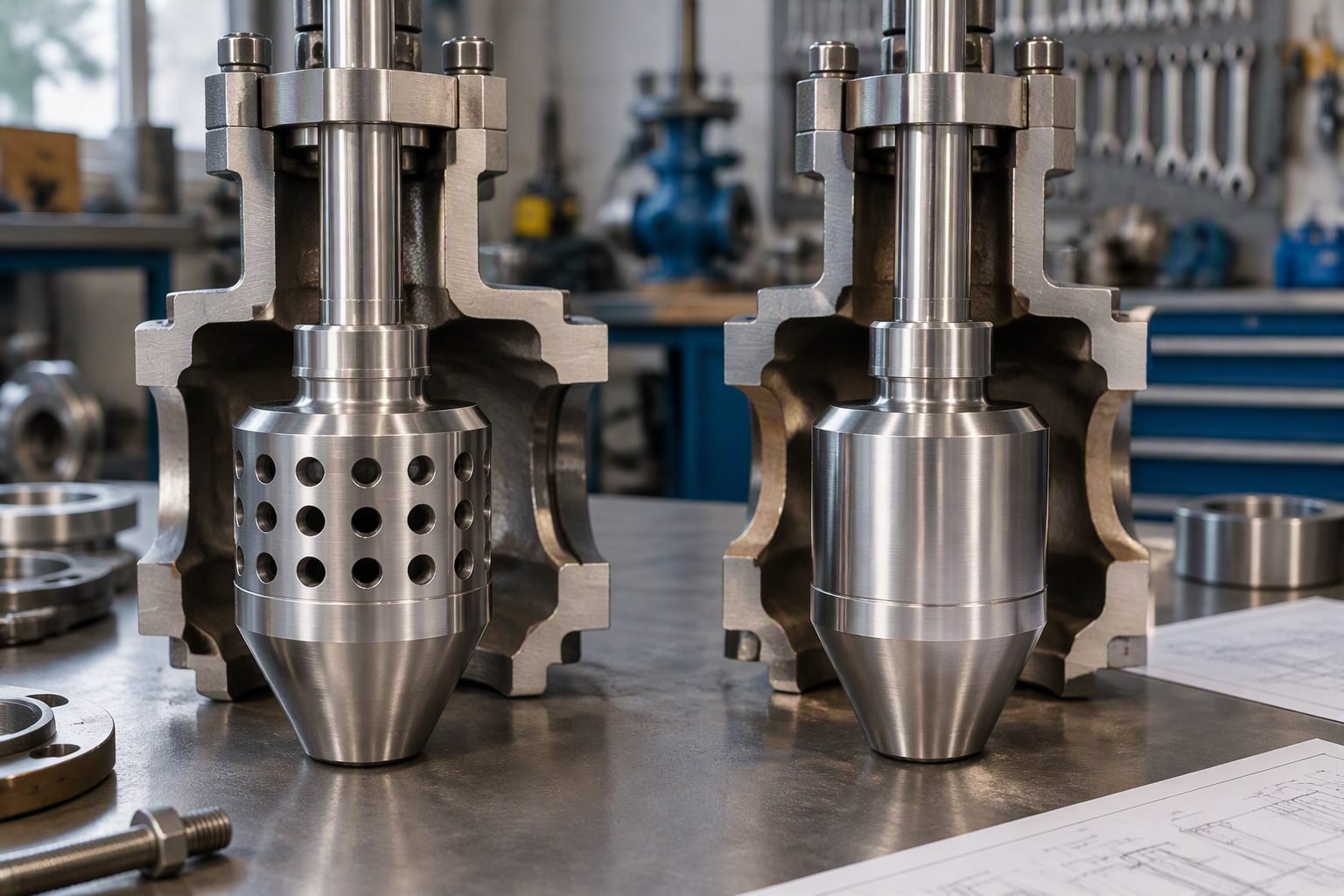
Discover how balanced control valve trim reduces actuator thrust under high pressure drop. Explore ASME and API standards for valve design.
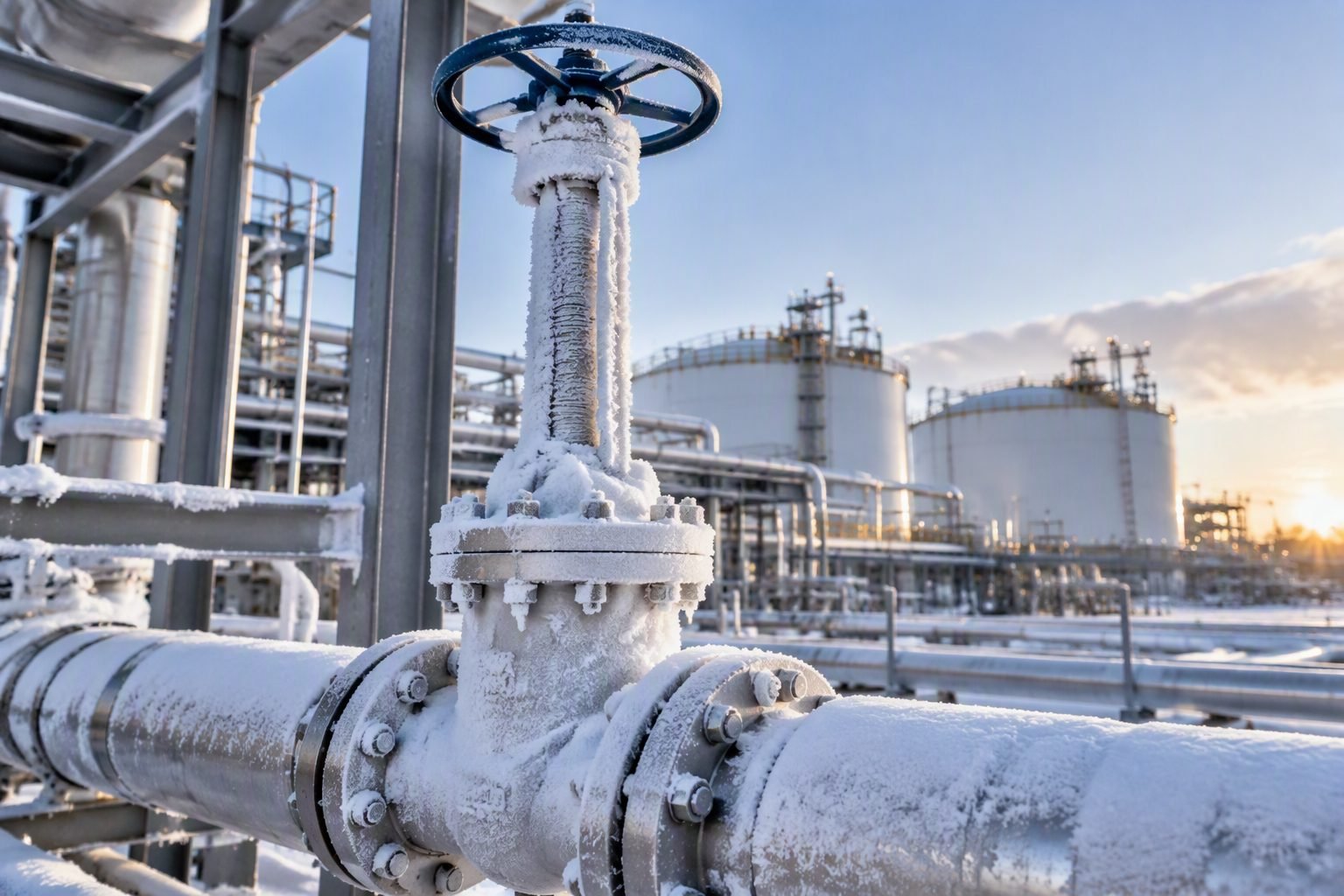
Master cryogenic valve selection for LNG piping. Learn extended bonnet design, austenitic stainless steel trim specs, and ASME B16.34 compliance.
Master V-notch ball valve trim design with our engineering guide covering rangeability, ASME standards, cavitation control, and industrial calculations.
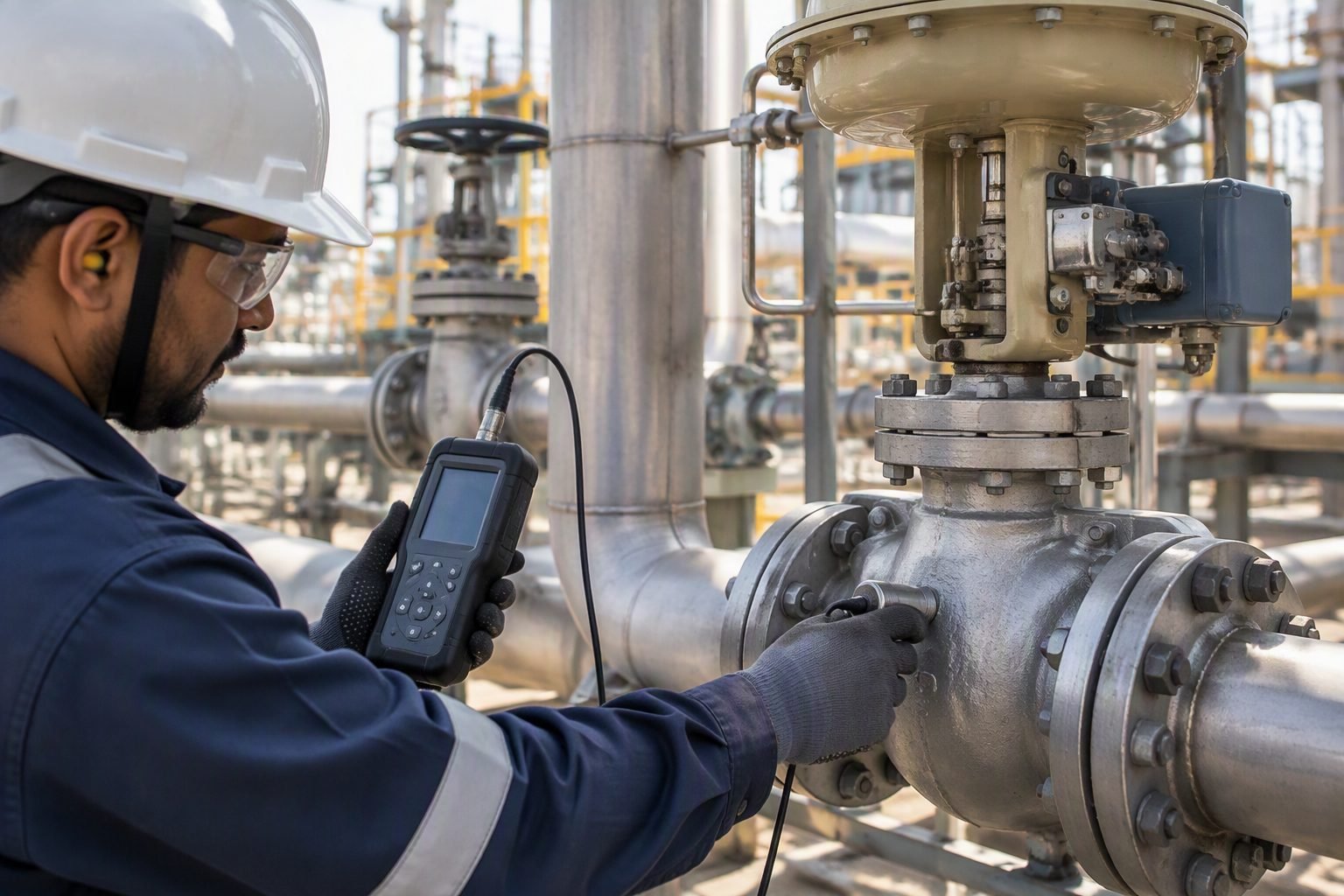
Master NACE MR0175 material verification for valve trim in sour H2S service. Ensure ASME compliance, hardness testing, and proper MTR documentation.
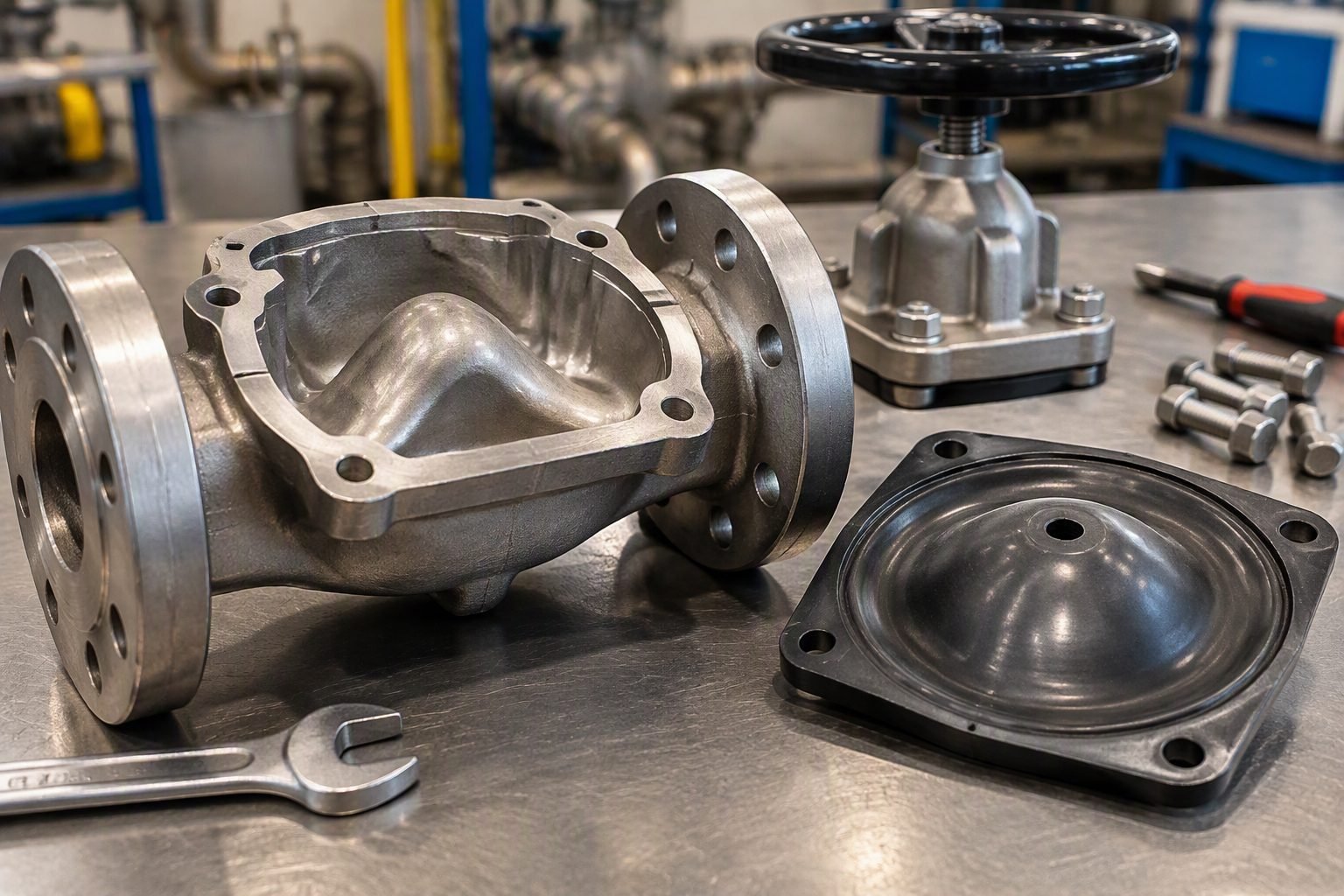
Discover how a Y-pattern globe valve body reduces pressure drop compared to standard designs. Learn flow mechanics, ASME standards, and best practices.
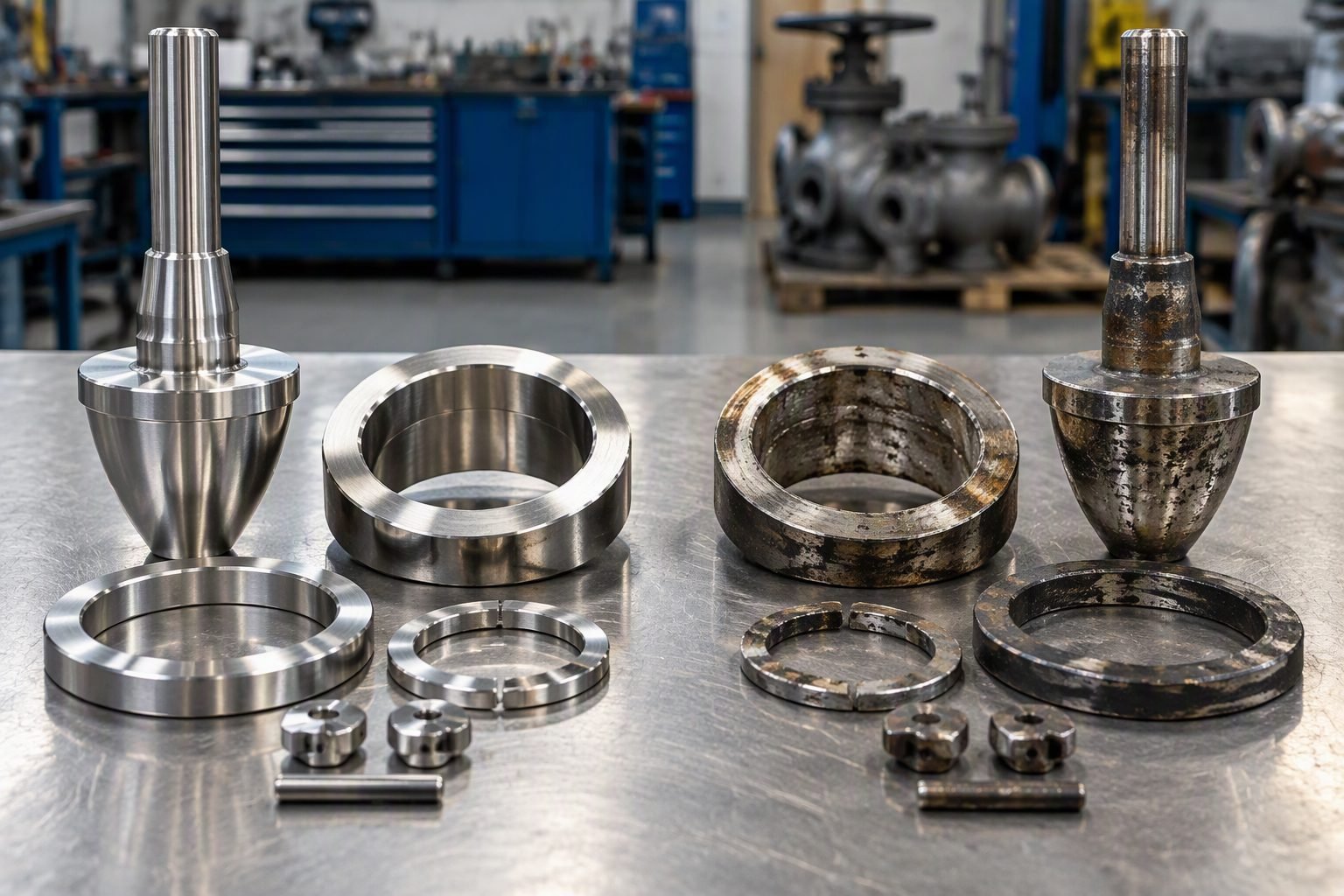
Discover when to execute valve trim repair versus replacement using ASME standards, thickness limits, and total lifecycle cost evaluations today.
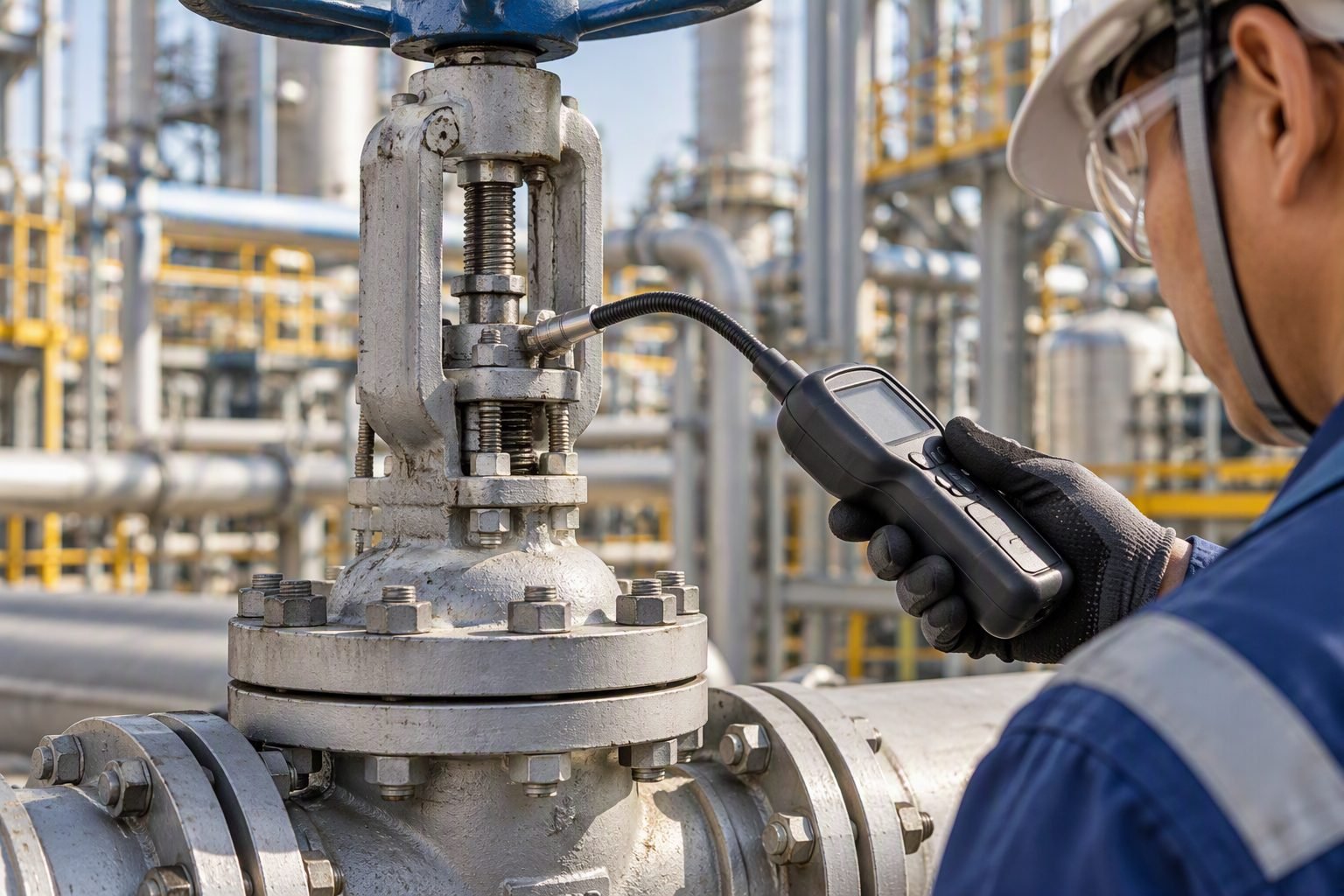
Learn how wire drawing damages gate valve seats through high-velocity leaks. Explore ASME standards, erosion mechanics, and prevention methods.
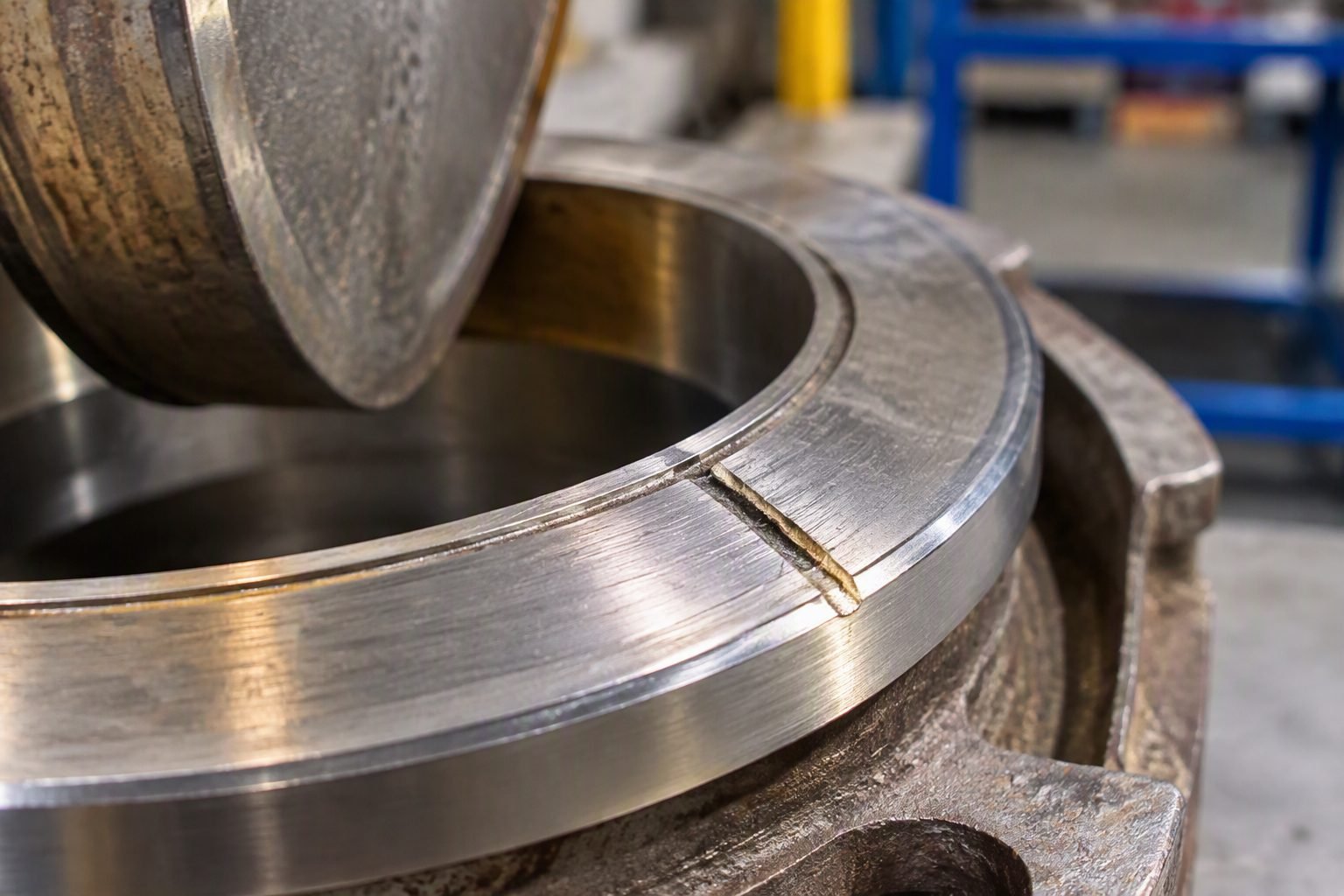
Discover why gate valve throttling causes severe wire-drawing and seat erosion. Learn ASME standards for isolation versus flow control.
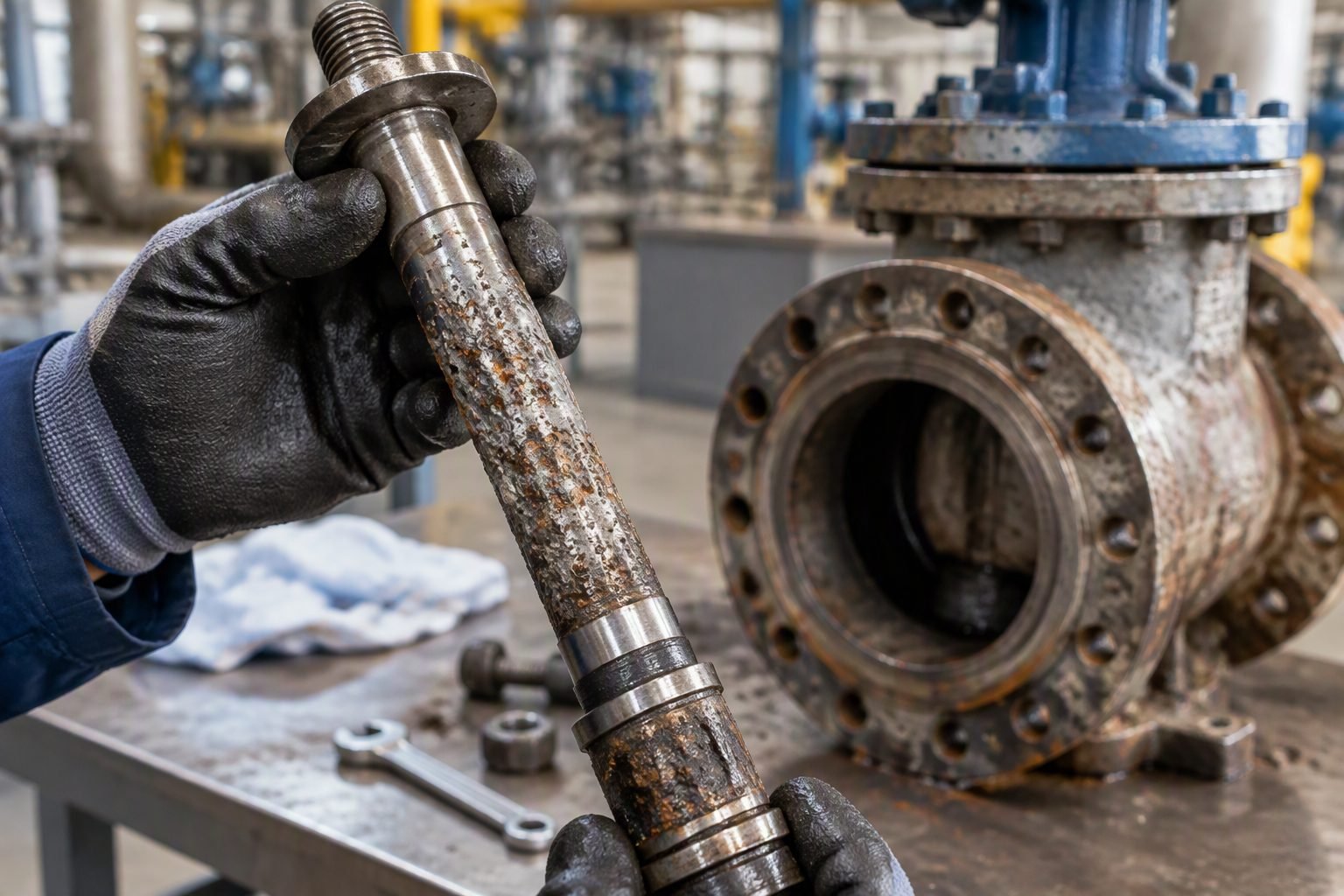
Master valve seat ring groove depth verification using dial depth gauges to decide between lapping repair or full replacement per ASME standards.
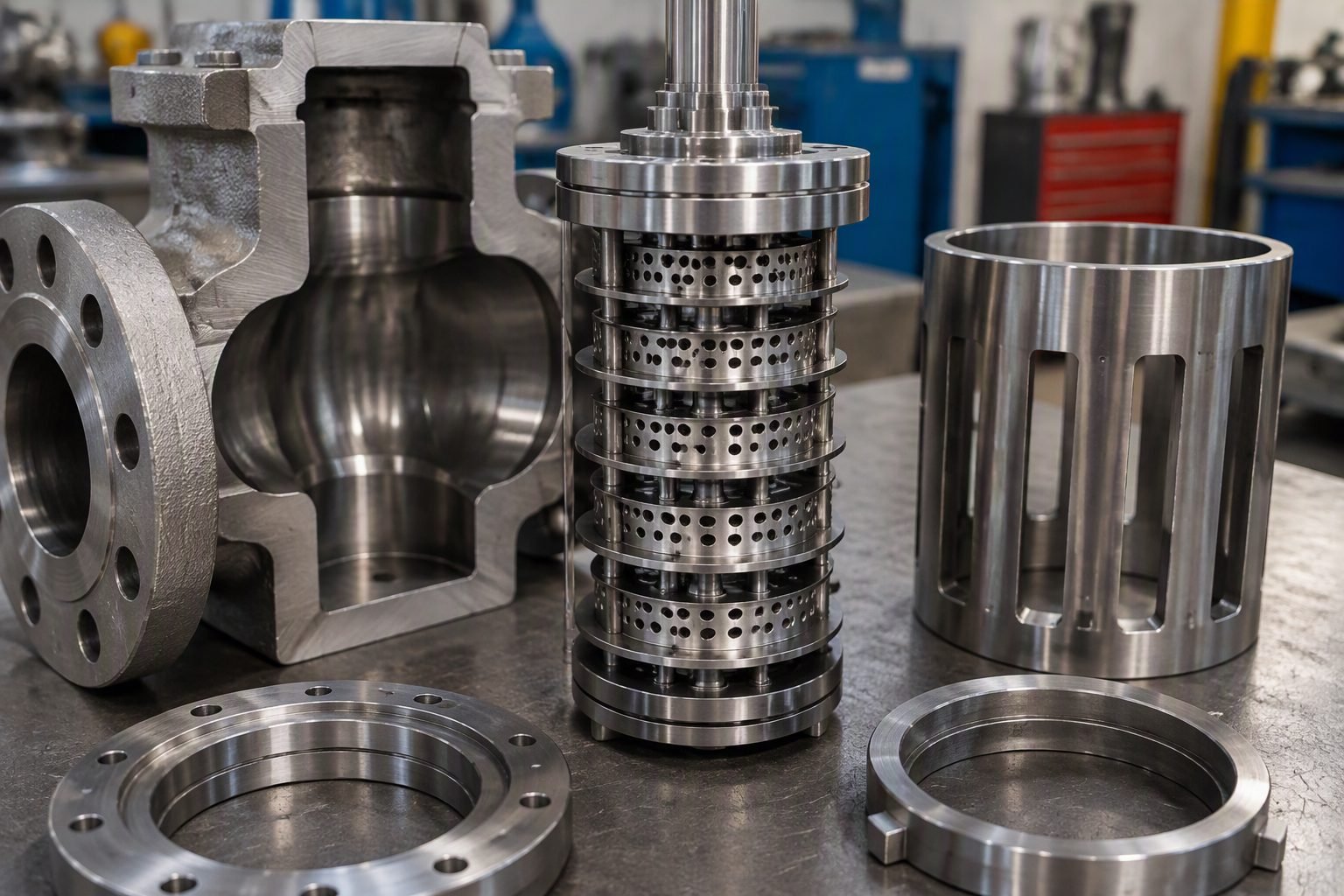
Compare globe vs ball valve trim geometry under ASME B16.34. Learn how plug designs and spherical seats impact throttling and isolation limits.
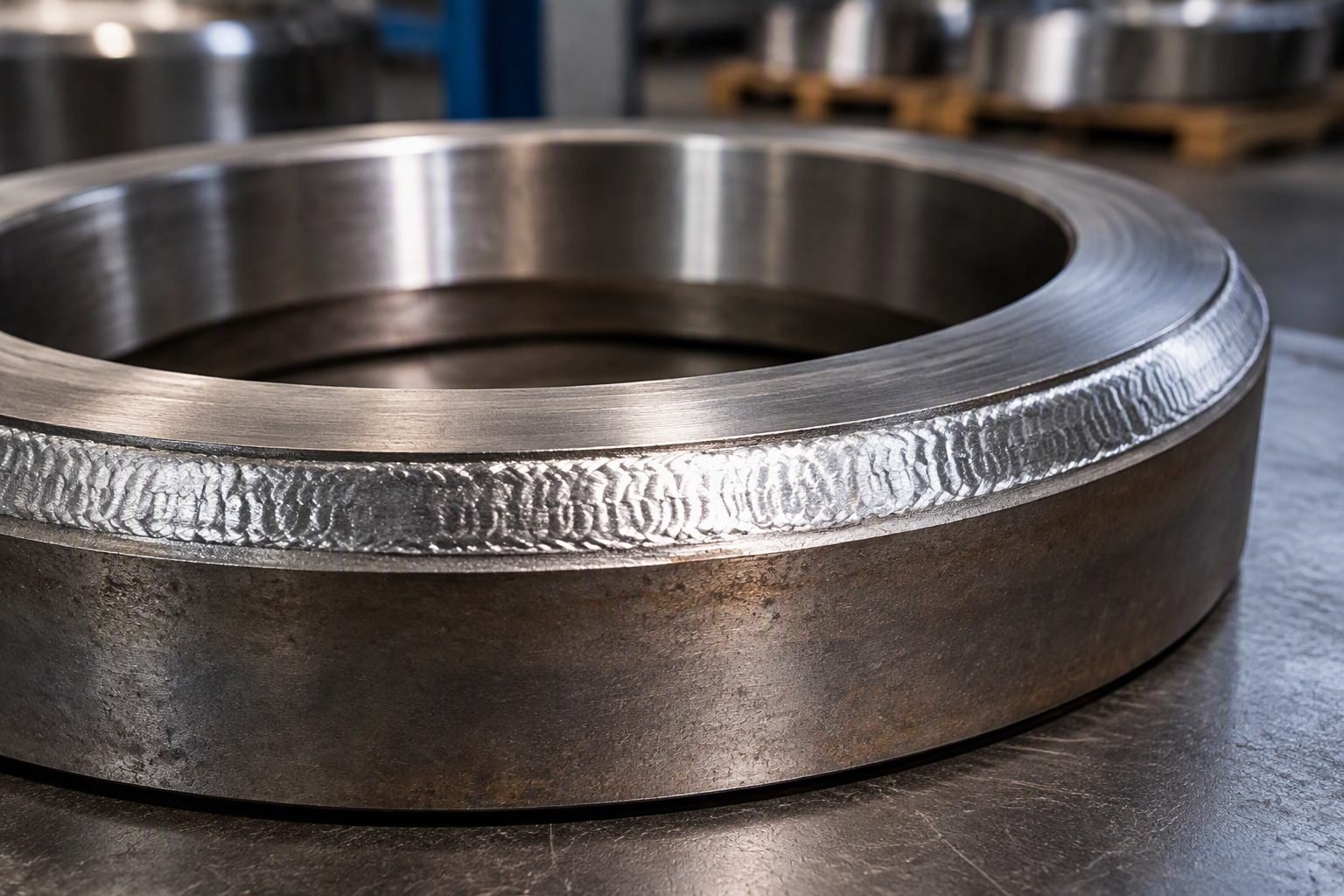
Compare pneumatic vs electric valve actuators for industrial systems. Learn fail-safe design, torque sizing, and ASME/API code compliance standards.