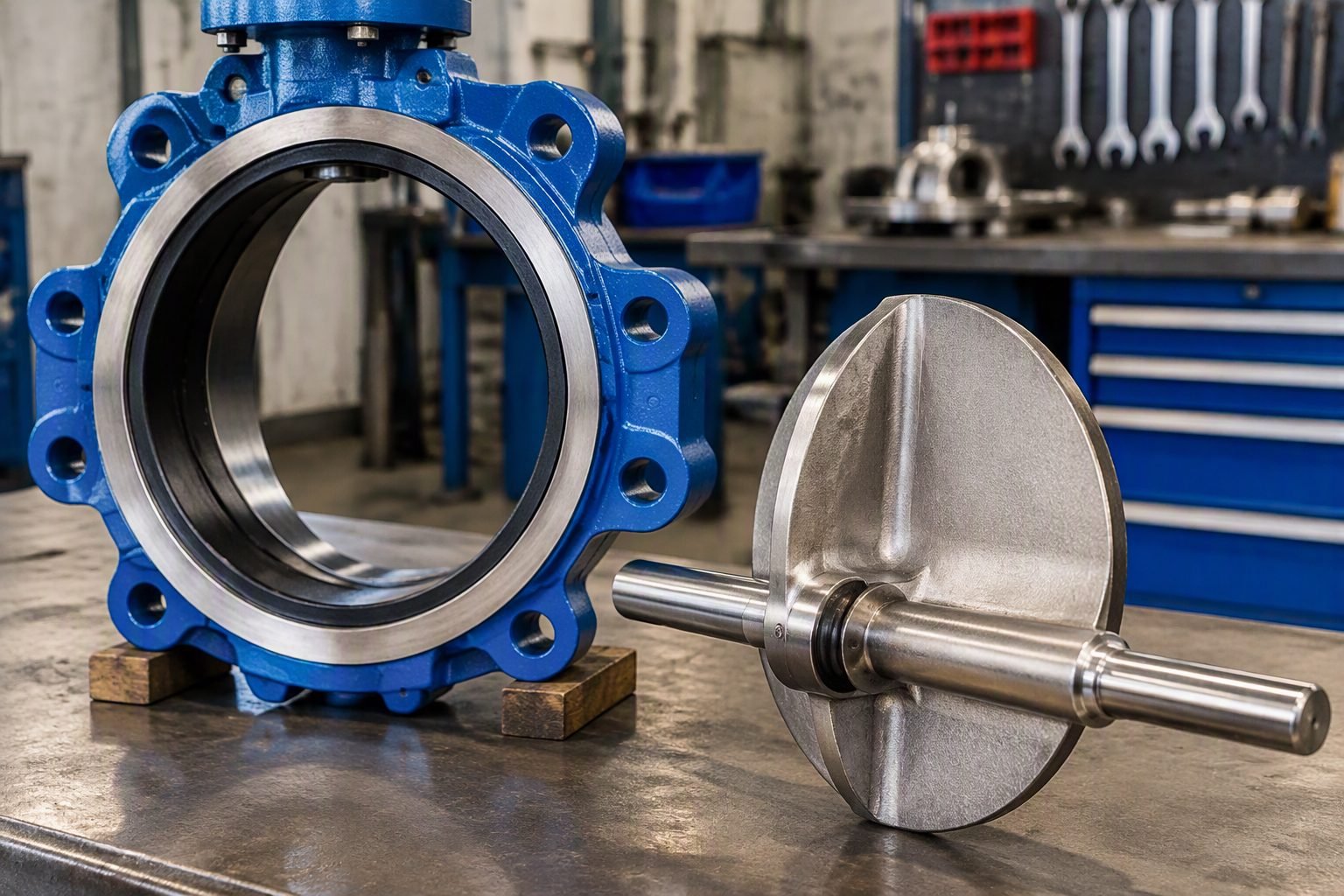
Cryogenic Valve Engineering for LNG Piping Systems
In my two decades of managing high-integrity piping systems across major petrochemical and liquefied natural gas facilities, specifying equipment for extremely low-temperature fluids remains one of the most rigorous thermal challenges. When dealing with media like liquid nitrogen at minus 196 degrees Celsius or liquefied natural gas at minus 162 degrees Celsius, standard valve configurations fail rapidly due to extreme thermal contraction, ice formation, and packing degradation.
Understanding the mechanical nuances of extended bonnets, gas column vaporization gaps, and specialized body-to-bonnet bolting materials is essential for preventing fugitive emissions. Selecting the correct metallurgical grade ensures structural integrity under high-velocity cryogenic flashing and thermal shock conditions.
Key Engineering Takeaways:
- Extended bonnets isolate valve packing from cryogenic media to maintain sealing temperature limits.
- Austenitic stainless steels like ASTM A351 CF8M provide the required impact toughness without brittle transition.
- Strict adherence to ASME B16.34 and BS 6364 guarantees reliable thermal cycling performance.
Cryogenic Valve Design and Metallurgy Fundamentals
Designing reliable isolation devices for liquefied natural gas services demands a thorough examination of thermodynamic properties and material science. When a pipeline carries cryogenic fluids, the ambient heat ingress competes with internal chilling, establishing a delicate thermal equilibrium along the valve stem. If the stem extension is insufficient, the temperature at the packing box drops below the freezing point of atmospheric moisture, causing ice formation that destroys dynamic seals and seizes the actuator.
To mitigate this thermal bridging, engineers specify an extended bonnet that creates a vapor column between the process fluid and the packing set. According to BS 6364, the length of this extension must maintain the packing temperature above minus 40 degrees Celsius, even when the valve body is fully immersed in liquid nitrogen at minus 196 degrees Celsius. This separation ensures that standard elastomeric or graphite-based packing materials retain their elasticity and sealing force.
Austenitic Stainless Steel Selection Criteria
Carbon and low-alloy steels exhibit a ductile-to-brittle transition temperature (DBTT) well above cryogenic operating points, making them highly susceptible to catastrophic shatter under impact loading. Consequently, austenitic stainless steels—most notably ASTM A351 Grade CF8M (cast equivalent of 316) and ASTM A182 Grade F316 (forged)—are mandatory for pressure-retaining components. These face-centered cubic crystal structures retain high impact energy absorption capacity down to absolute zero.
Material procurement specifications must mandate Charpy V-notch (CVN) impact testing at the lowest expected service temperature in accordance with ASME Section VIII Division 1. The minimum lateral expansion and absorbed energy requirements must exceed code minimums to account for stress concentrations around port openings and cavity pressure relief paths.
Critical Engineering Warning: Cavity Overpressure
Trapped liquid between the ball and body cavity in a closed trunnion valve will vaporize rapidly as ambient heat enters the system. Because the volumetric expansion ratio of liquid methane to gas is approximately 1 to 600, failure to install a self-relieving seat or external pressure equalization hole will result in catastrophic body rupture, regardless of austenitic material toughness.
Stem Sealing and Fugitive Emission Control
Preventing fugitive emissions of volatile hydrocarbons in LNG facilities requires rigorous stem design and packing configuration. Live-loaded packing arrangements utilizing Belleville spring washers are standard practice to compensate for thermal contraction and relaxation cycles during operation. These springs maintain constant radial pressure on flexible graphite rings.
Furthermore, valve stems require precision machining with a surface finish better than 0.4 micrometers Ra, combined with hard chrome plating or nitriding to minimize abrasive wear against the packing rings. Fugitive emission testing to ISO 15848-1 Class BH is routinely specified for high-consequence cryogenic isolation points on ship loading arms and cold box inlet headers.
Seat Design and Thermal Contraction Tolerances
Differential thermal contraction between metal bodies and polymeric soft inserts creates severe sealing challenges in cryogenic ball and butterfly valves. As materials cool from ambient room temperature to cryogenic ranges, plastics like PTFE and PCTFE shrink at a much higher rate than stainless steel housings. If seats are not pre-engineered with spring energizers or specialized retaining lips, they will distort, causing immediate seat bypass and internal leakage.
Metal-to-metal seating configurations utilizing Stellite overlays or tungsten carbide coatings are often specified for high-cycle control valves, while modified spring-energized polymer seats are reserved for bubble-tight isolation in liquid transfer lines. Proper clearance calculations during detailed design prevent jamming and excessive operating torque caused by micro-contraction of internal trim components.
Advantages & Disadvantages
Engineering Advantages
- Thermal Isolation: Extended bonnets elevate the packing box into ambient air zones, preventing atmospheric moisture condensation and ice buildup on stems.
- Material Toughness: Austenitic stainless steel trim prevents brittle fracture under extreme sub-zero thermal shock conditions.
- Fugitive Emission Control: Live-loaded packing arrangements maintain constant sealing force despite rapid thermal contraction cycles.
- Bubble-Tight Sealing: Advanced spring-energized seat designs maintain shut-off integrity across wide cryogenic temperature swings.
- Code Compliance: Fully compliant with ASME B16.34 and BS 6364 pressure and thermal test mandates.
Engineering Disadvantages
- Physical Envelope: Extended bonnets add significant height and weight, complicating insulated piping rack clearances and tight modular packages.
- Bending Moment Stresses: Tall valve assemblies generate high cantilever moment loads on piping supports during seismic or wind events.
- Procurement Cost: Premium austenitic alloys, precision machining, and specialized testing increase initial capital expenditure significantly.
- Actuation Torque: Thermal contraction of internal components can increase breakaway torque, requiring larger pneumatic or electric actuators.
- Cavity Pressure Risks: Requires precise self-relieving mechanisms to prevent overpressure lockup in blocked liquid pockets.
Real-World Applications
Liquefied Natural Gas Storage and Transfer Terminals
Storage tanks and truck loading racks handling LNG at minus 162 degrees Celsius rely on extended bonnet ball and globe valves for emergency isolation. These valves prevent atmospheric icing on stems, ensuring operators can rapidly close lines during emergency shutdown (ESD) sequences without mechanical seizure.
Air Separation and Industrial Gas Processing
Production facilities generating liquid oxygen, nitrogen, and argon utilize specialized austenitic stainless steel valves within cold boxes. The extended design keeps the warm-acting pneumatic operators safely outside the insulated cold box wall while maintaining precise flow control of cryogenic media.
Petrochemical Ethylene and Propylene Splitters
Olefin plants operating low-temperature fractionation columns require rigorous containment of sub-zero hydrocarbon streams. Extended bonnet gate and control valves prevent fugitive emissions of volatile hazardous compounds while enduring aggressive thermal cycling during plant startup and regeneration cycles.
Aerospace Liquid Rocket Propellant Launch Complexes
Ground support equipment handling liquid hydrogen and liquid oxygen for rocket propulsion systems demands flawless zero-leakage isolation. Extended bonnet valves fabricated from high-purity austenitic stainless steel ensure safe propellant loading under extreme thermal shock and vibration profiles.
Cryogenic Valve Material Specifications and Pressure Ratings
Selecting appropriate material grades for cryogenic valves requires strict compliance with ASME B16.34 and ASTM material standards. At temperatures reaching minus 196 degrees Celsius in liquefied natural gas service, conventional carbon steels undergo a severe ductile-to-brittle transition. Therefore, body and trim components must utilize austenitic stainless steels or nickel alloys capable of maintaining Charpy V-notch impact energy absorption above 15 ft-lbf (20 Joules) at design minimum temperatures.
The engineering data table below outlines the primary metallurgical classifications, standard designations, and allowable pressure-temperature ratings governed by ASME B16.34 for low-temperature service classes. Review these material parameters carefully against your specific pipeline fluid composition, piping class specification, and design pressure profile before finalizing procurement requisitions.
| Material Grade | ASTM Specification | Minimum Temperature | ASME B16.34 Class | Primary Application |
|---|---|---|---|---|
| Austenitic Stainless Steel | ASTM A358 CF8 / CF8M | -196°C (-320°F) | Class 150 to 900 | LNG Storage and Transfer Lines |
| Low Carbon Stainless | ASTM A352 LCC / LCB | -46°C (-50°F) | Class 300 to 600 | Propane and Ethylene Refrigeration |
| Nickel Alloy 625 | ASTM A494 CW6MC | -253°C (-423°F) | Class 150 to 1500 | Liquid Hydrogen and Oxygen Service |
| Forged Stainless Trim | ASTM A182 F316 / F316L | -196°C (-320°F) | All Pressure Classes | Stems, Disc Facings, and Seats |
Table note: All austenitic stainless steel components must undergo full solution annealing and production impact testing at the minimum design metal temperature in accordance with ASME Section VIII Division 1 requirements.
Technical Mapping & Specifications Matrix
Managing cryogenic fluid isolation systems requires a comprehensive understanding of physical interactions between the pipeline media, structural valve body, internal trim, and surrounding ambient atmosphere. The structural integrity of an extended bonnet assembly depends heavily on thermal gradient management, stem packing preservation, and fugitive emission control standards.
The technical entity matrix below maps critical engineering parameters, governing industrial codes, structural acronyms, and operational performance metrics. This reference structure assists piping engineers, stress analysts, and quality control inspectors in verifying complete compliance during vendor drawing reviews and factory acceptance testing.
| Engineering Parameter | Standard / Acronym | Design Requirement | Verification Method |
|---|---|---|---|
| Valve Shell & Trim Design | ASME B16.34 | Minimum wall thickness and pressure ratings | Hydrostatic and pneumatic shell testing |
| Extended Bonnet Thermal Column | BS 6364 / ISO 28921 | Maintain packing temp above -40 degrees C | Cryogenic prototype thermal cycling test |
| Fugitive Emissions Control | ISO 15848-1 | Low leakage stem packing performance | Helium sniffing and vacuum chamber test |
| Low Temperature Impact Energy | ASTM A370 | Minimum 15 ft-lbf at design temp | Charpy V-notch destructive testing |
Matrix note: Compliance with ISO 15848-1 Class AH is mandatory for all fugitive emission critical services in modern LNG liquefaction and regasification terminals.
Site Verification Checklist for Cryogenic Valve Installation
Proper field installation of cryogenic valves on outdoor LNG piping racks is critical to preventing catastrophic stem freezing, packing extrusion, and external leakage. Installation engineers must execute rigorous pre-commissioning checks to confirm that bonnet orientation, insulation clearances, and operational torque requirements comply with BS 6364 guidelines.
Use the structured site verification checklist below during construction walkthroughs and pre-startup safety reviews. Each inspection item ensures that the extended thermal column functions correctly and that ambient heat transfer does not compromise system safety.
Cryogenic Valve Pre-Commissioning & Installation Audit
- Bonnet Inclination Check: Verify that the extended bonnet is installed within 15 degrees of vertical upright orientation to maintain a stable gas vapor pocket in the upper column.
- Insulation Box Clearance: Confirm that removable cold box insulation allows unimpeded stem actuation and provides easy access to live-loaded packing glands.
- Cavity Relief Verification: Inspect unidirectional ball or gate valves for correct pressure relief hole orientation toward the upstream high-pressure side.
- Material Traceability Audit: Cross-reference Mill Test Certificates against valve body stamped material grades (CF8M / F316) to ensure complete low-temperature compliance.
- Cleanliness Inspection: Ensure internal wasted surfaces are completely free of hydrocarbon oils, moisture, and particulate debris per oxygen and LNG cleanliness standards.
- Actuator Torque Testing: Verify that pneumatic or electric actuators are calibrated to overcome breakout torque spikes caused by thermal contraction during cooldown.
Checklist execution rule: Any deviation from vertical orientation exceeding the manufacturer threshold requires a formal engineering concession and specialized thermal FEA modeling.
Field Case Study: Real-World Application
During the commissioning phase of a major coastal LNG export terminal, severe operational anomalies occurred on several high-pressure cryogenic liquid rundown valves. These valves, installed on outdoor pipe racks exposed to heavy coastal winds and rapid temperature swings, experienced persistent stem binding and fugitive emission leaks shortly after initial cooldown to minus 162 degrees Celsius.
An exhaustive site failure investigation revealed critical oversights in material specification and thermal column design, highlighting the absolute necessity of rigorous adherence to ASME B16.34 and BS 6364 standards for low-temperature piping systems.
Field Problem Analysis
Stem freezing and packing degradation occurred due to inadequate thermal column length and improper material substitution in standard trim components.
- Contractor installed standard carbon steel bolting and low-grade trim that suffered embrittlement at extreme cryogenic operating temperatures.
- Extended bonnet length was shortened by 200 mm to fit inside a tight modular pipe rack frame, shifting the freezing zone directly into the packing box.
- Standard PTFE packing rings hardened and fractured under thermal shock, resulting in massive liquid boil-off and hydrocarbon vapor release.
- Actuator mounting brackets contracted faster than the valve stem, causing severe angular misalignment and high operating torque spikes.
Engineering Remediation & Outcome
Complete valve overhaul and piping redesign resolved all thermal freezing issues and eliminated fugitive emissions permanently.
- Replaced all problem valves with compliant ASME B16.34 Class 600 units featuring ASTM A358 CF8M bodies and solid Stellite-faced austenitic stainless steel trim.
- Re-engineered the pipe rack support structure to install full-length extended bonnet assemblies conforming strictly to BS 6364 thermal gradient specifications.
- Upgraded stem packing to live-loaded spring-energized graphite and flexible graphite rings certified for ISO 15848-1 low emission standards.
- Achieved zero-leakage performance during subsequent cryogenic cool-down testing and passed all third-party fugitive emission sniffing audits.
Final engineering recommendation: Never compromise on extended bonnet length or material trim specifications for cryogenic hydrocarbon services, regardless of modular space constraints on outdoor pipe racks.
Frequently Asked Engineering Questions
Why is an extended bonnet strictly required for cryogenic valve service per ASME B16.34 guidelines?
- Maintains packing temperature above the freezing threshold of atmospheric moisture.
- Prevents fugitive emissions caused by PTFE or graphite packing embrittlement.
- Ensures smooth actuator operation without breakaway torque spikes.
What causes heavy white frost accumulation on an outdoor LNG piping rack valve body?
- Indicates extreme internal fluid temperatures reaching down to negative 162 degrees Celsius.
- Serves as a visual indicator of proper cold-box or insulation box clearance performance.
- Highlights areas where uninsulated body extensions form thermal bridges.
Which material grade is specified for cryogenic valve trim components under ASTM standards?
- Face-centered cubic crystal structure prevents catastrophic brittle fracture at cryogenic limits.
- Maintains high impact energy absorption values well below negative 196 degrees Celsius.
- Resists intergranular corrosion when exposed to aggressive marine atmospheres near coastal LNG terminals.
How does thermal contraction affect stem sealing and packing box performance in cold service?
- Requires live-loaded packing designs using Belleville spring washers to maintain constant radial pressure.
- Demands precise machining tolerances to account for metal shrinkage coefficients.
- Eliminates manual re-torque maintenance requirements during cyclic temperature swings.
What is the primary purpose of cavity relief mechanisms in liquid natural gas ball valves?
- Prevents body wall rupture by venting trapped vapor back into the upstream pipeline.
- Complies with pressure relief safety requirements outlined in major hydrocarbon processing codes.
- Utilizes upstream self-relieving seats or drilled ball ports to manage thermal expansion safely.
Field Recommendation
When designing cryogenic piping networks for outdoor LNG processing facilities, my primary recommendation focuses on rigorous material verification and thermal management. Based on decades of site commissioning experience, piping engineers must enforce strict quality controls during procurement and installation.
- If your facility operates in a coastal marine environment, specify ASTM A350 Grade LF2 combined with internal SS316 trim to mitigate both low-temperature embrittlement and external salt-spray corrosion.
- When selecting extended bonnets for vertical or horizontal piping runs, always verify that the manufacturer calculates the exact column length based on ambient wind chill factors rather than static ambient air assumptions.
- If live-loaded packing assemblies are specified, mandate factory thermal cycle testing down to negative 196 degrees Celsius before site delivery to catch early stem seal relaxation issues.
- When positioning valves within insulated cold boxes, ensure the bonnet extension length strictly exceeds the specified insulation thickness to keep packing boxes fully accessible for maintenance.
Complete Course on
Piping Engineering
Check Now
Key Features
- 125+ Hours Content
- 500+ Recorded Lectures
- 20+ Years Exp.
- Lifetime Access
Coverage
- Codes & Standards
- Layouts & Design
- Material Eng.
- Stress Analysis
