What is Monel Alloy? Properties, Applications, Grades, Advantages & Disadvantages
In my 20+ years of piping engineering experience, especially in harsh service environments like coastal plants and chemical units, I’ve repeatedly seen one material outperform others under extreme corrosion conditions — Monel alloy. This nickel-copper alloy is not just another material option; it is often the final solution when stainless steels and even duplex alloys fail.
Whether you are dealing with seawater corrosion, hydrofluoric acid service, or high-strength rotating components, understanding Monel alloy can save significant maintenance costs and prevent catastrophic failures.
✅ Key Engineering Takeaways
- Monel alloy is a nickel-copper alloy with exceptional corrosion resistance
- Performs extremely well in seawater, marine, and chemical environments
- Common grades include Monel 400 and Monel K500
- Higher cost than stainless steel but superior lifecycle performance
- Widely used in offshore, chemical plants, pumps, and piping systems
Monel alloy is a corrosion-resistant nickel-copper material used in marine, chemical, and high-performance engineering applications. Known for its strength and durability in aggressive environments, it is commonly available in grades like Monel 400 and Monel K500 and is preferred where stainless steel fails.
Interactive Engineering Quiz
Q1: What is the primary composition of Monel alloy?
What is Monel Alloy?
In my experience across marine systems and chemical plants, Monel alloy is one of the most reliable corrosion-resistant materials available for harsh environments. It is a nickel-copper alloy primarily composed of around 65–70% nickel and 20–30% copper, with small additions of iron, manganese, and silicon.
Monel alloys fall under the UNS designation system such as ASME material standards and are widely used in industries where failure due to corrosion is unacceptable.
What is Monel Alloy Used For?
Monel alloy finds application in critical services where standard materials like stainless steel cannot perform reliably. Based on my EPC project exposure, these are the most common applications:
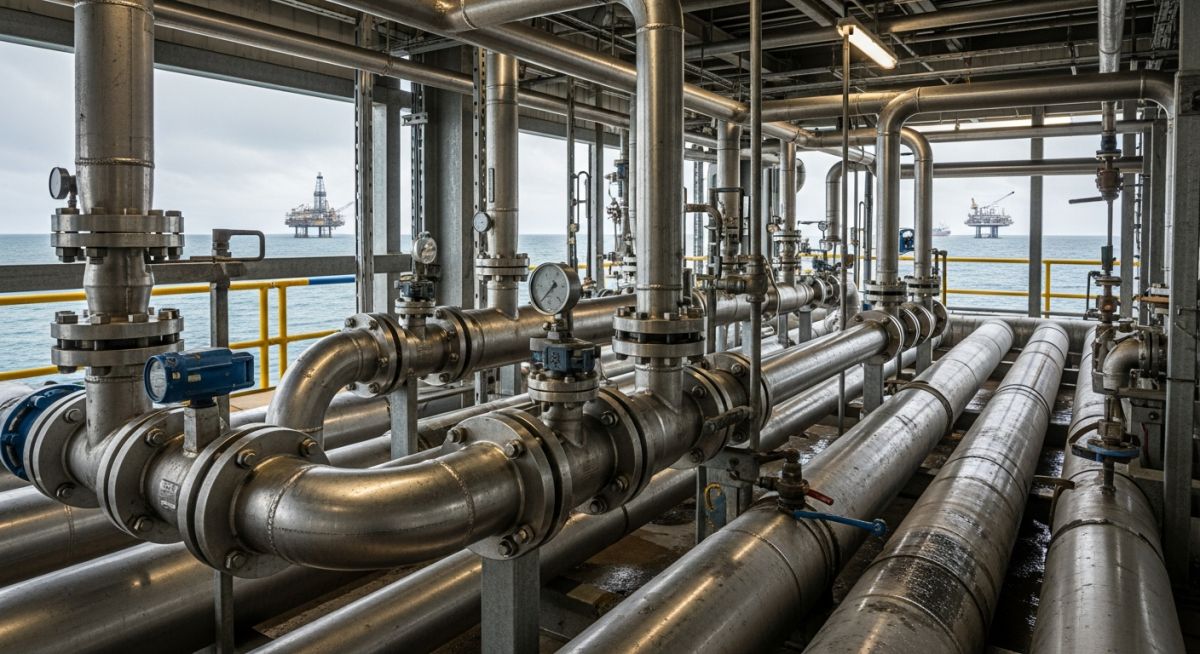
- Marine and offshore piping systems exposed to seawater
- Chemical plant equipment for hydrofluoric acid handling
- Heat exchanger tubes in corrosive environments
- Pump shafts and valves requiring high strength and corrosion resistance
- Oil & gas offshore platforms
Properties of Monel Alloy
The performance of Monel alloy comes from its unique combination of mechanical strength and corrosion resistance.
- Excellent corrosion resistance in seawater and acids
- Good mechanical strength up to 500°C
- Non-magnetic in most conditions
- Excellent resistance to stress corrosion cracking
- High toughness even at sub-zero temperatures
Grades of Monel Alloy
Monel alloys are available in different grades tailored for specific applications:
- Monel 400: General purpose corrosion-resistant alloy used in piping and marine systems
- Monel K500: High-strength precipitation-hardened alloy used in shafts and fasteners
- Monel R405: Free-machining grade used for improved machinability
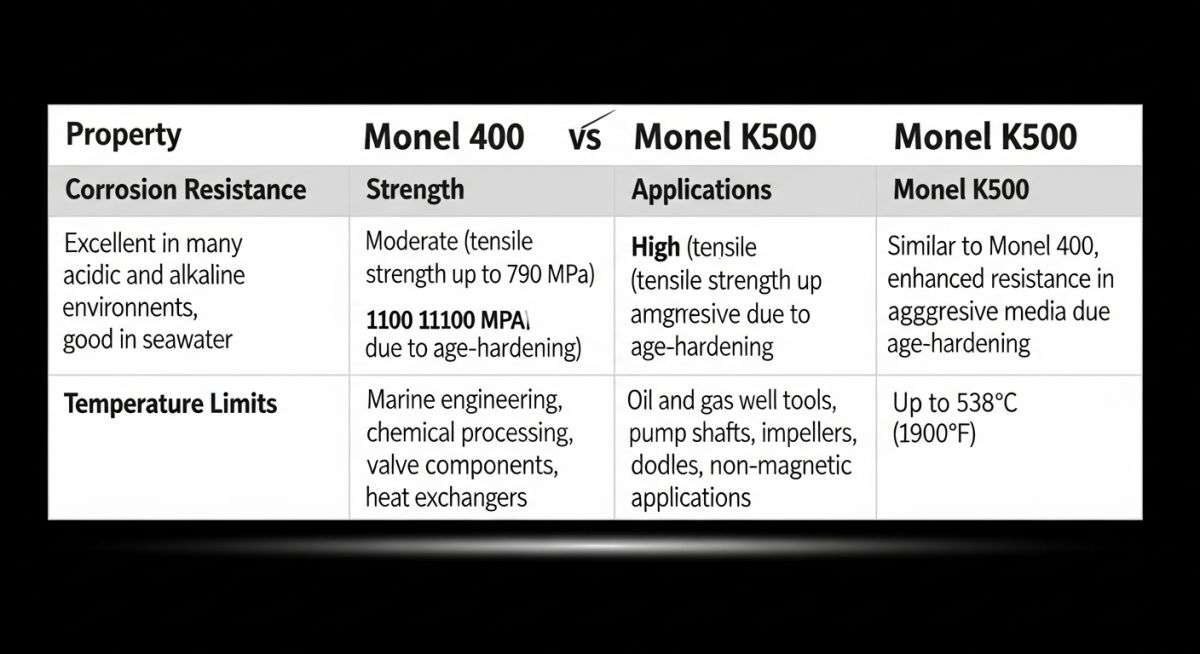
| Property | Monel 400 | Monel K500 |
|---|---|---|
| UNS Number | N04400 | N05500 |
| Tensile Strength | 480 MPa | 965 MPa |
| Yield Strength | 170 MPa | 690 MPa |
| Temperature Limit | ~500°C | ~480°C |
| Corrosion Resistance | Excellent | Excellent |
Field Case Study: Real-World Application
👉 My Engineering Recommendation: Whenever you are dealing with seawater exposure, HF acid service, or rotating equipment under corrosion-fatigue conditions, Monel alloy should always be part of your material selection study. The upfront cost is higher, but lifecycle reliability and safety justify the investment.
Frequently Asked Engineering Questions
Is Monel alloy better than stainless steel in corrosive services?
What is the key difference between Monel 400 and Monel K500?
Can Monel alloy be welded in field conditions?
What is the temperature limit of Monel alloy?
Why is Monel alloy more expensive?
Where is Monel alloy commonly used in EPC projects?
Complete Course on
Piping Engineering
Check Now
Key Features
- 125+ Hours Content
- 500+ Recorded Lectures
- 20+ Years Exp.
- Lifetime Access
Coverage
- Codes & Standards
- Layouts & Design
- Material Eng.
- Stress Analysis
