Compare valve leakage classes under FCI 70-2. Learn why Class IV metal seats allow minor weeping while Class VI PTFE inserts deliver bubble-tight shutoff.
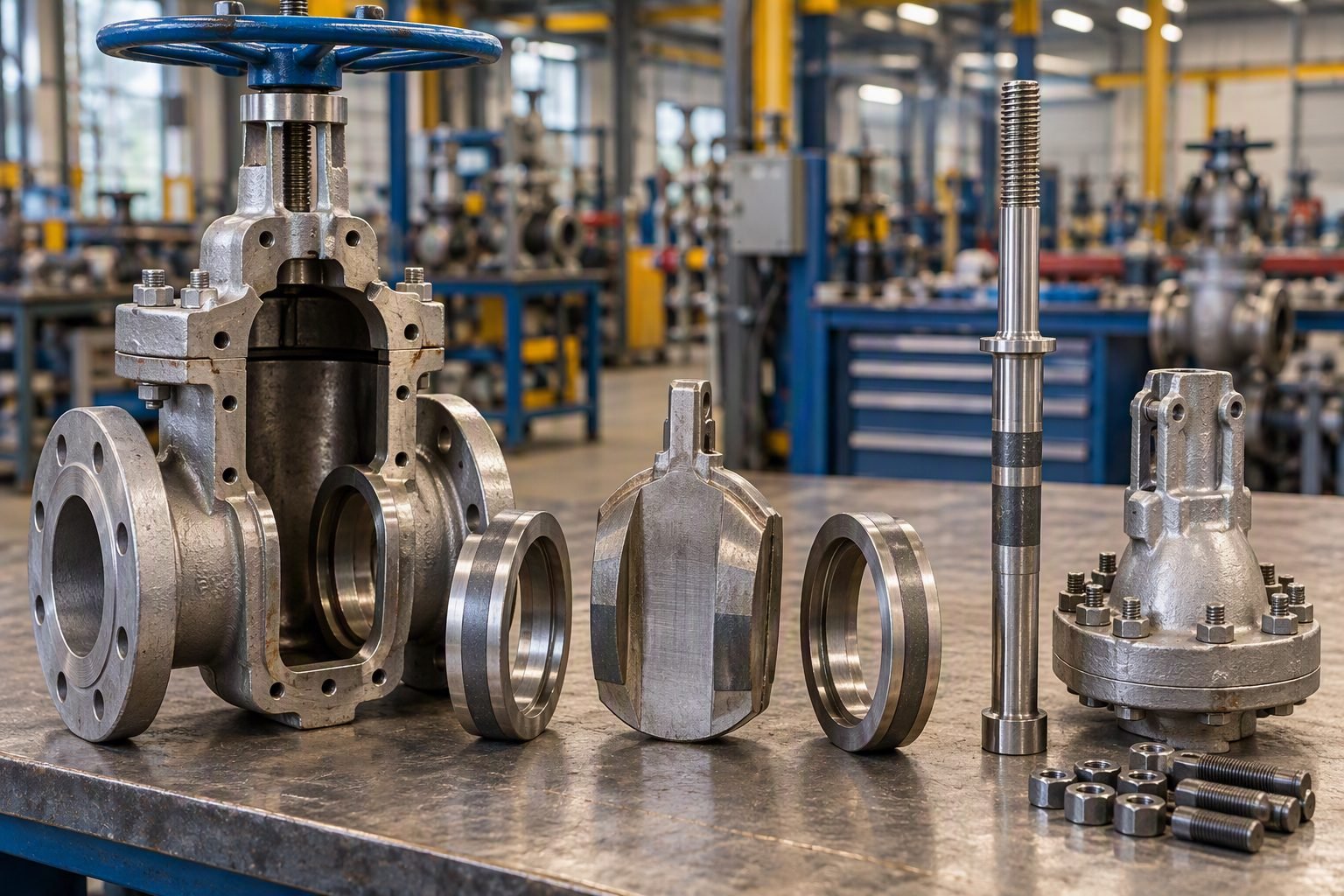
Compare valve leakage classes under FCI 70-2. Learn why Class IV metal seats allow minor weeping while Class VI PTFE inserts deliver bubble-tight shutoff.
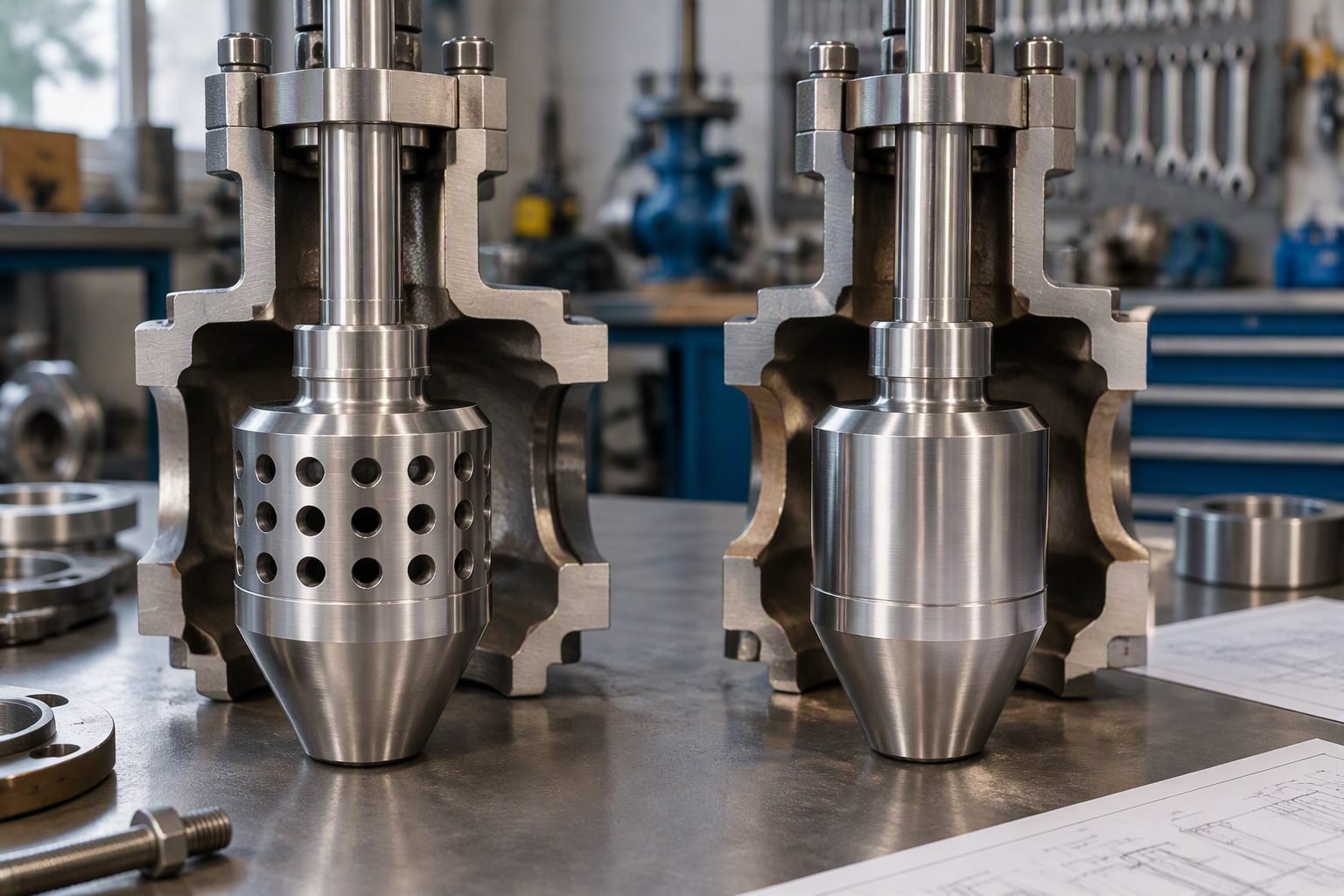
Discover how balanced control valve trim reduces actuator thrust under high pressure drop. Explore ASME and API standards for valve design.
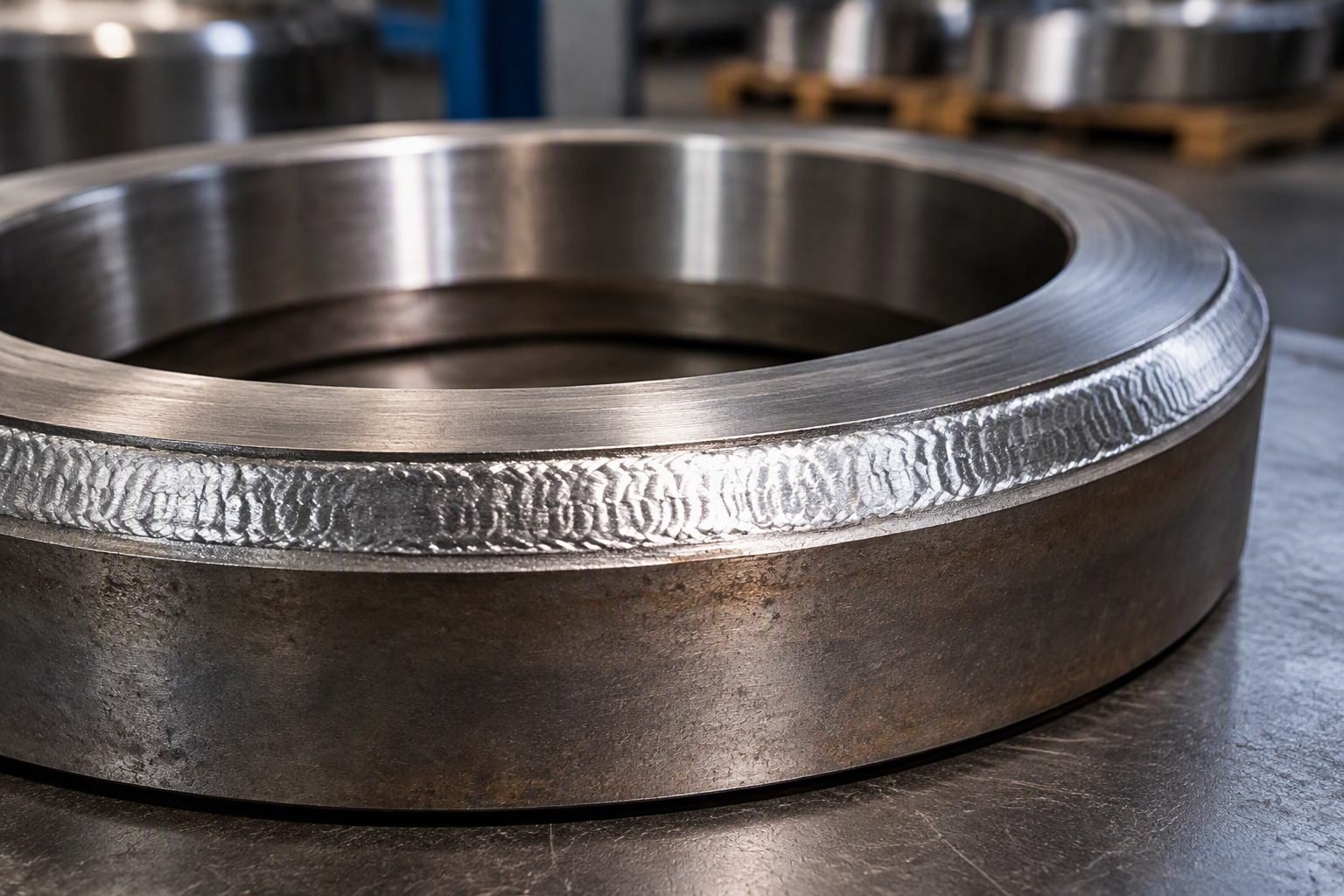
Compare pneumatic vs electric valve actuators for industrial systems. Learn fail-safe design, torque sizing, and ASME/API code compliance standards.
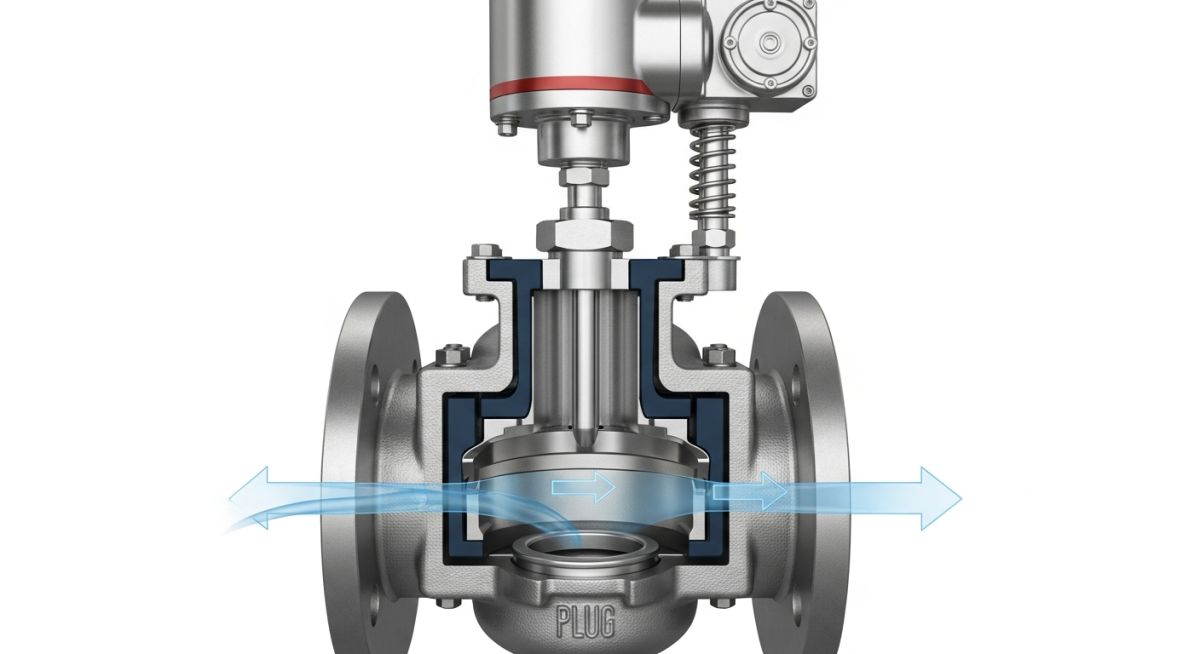
Master control valves selection and types. Learn how to size, specify, and maintain these critical flow regulation components for industrial piping systems.
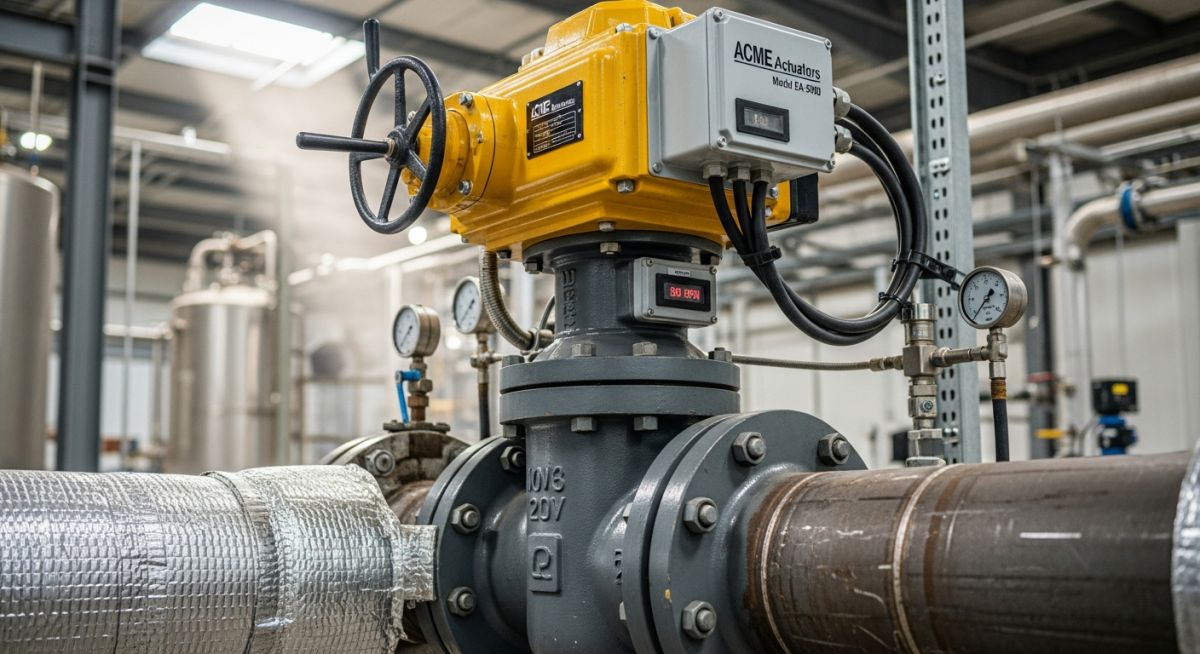
Learn what a Motor Operated Valve (MOV) is, including its working principle, main types, industrial applications, and datasheet specifications.
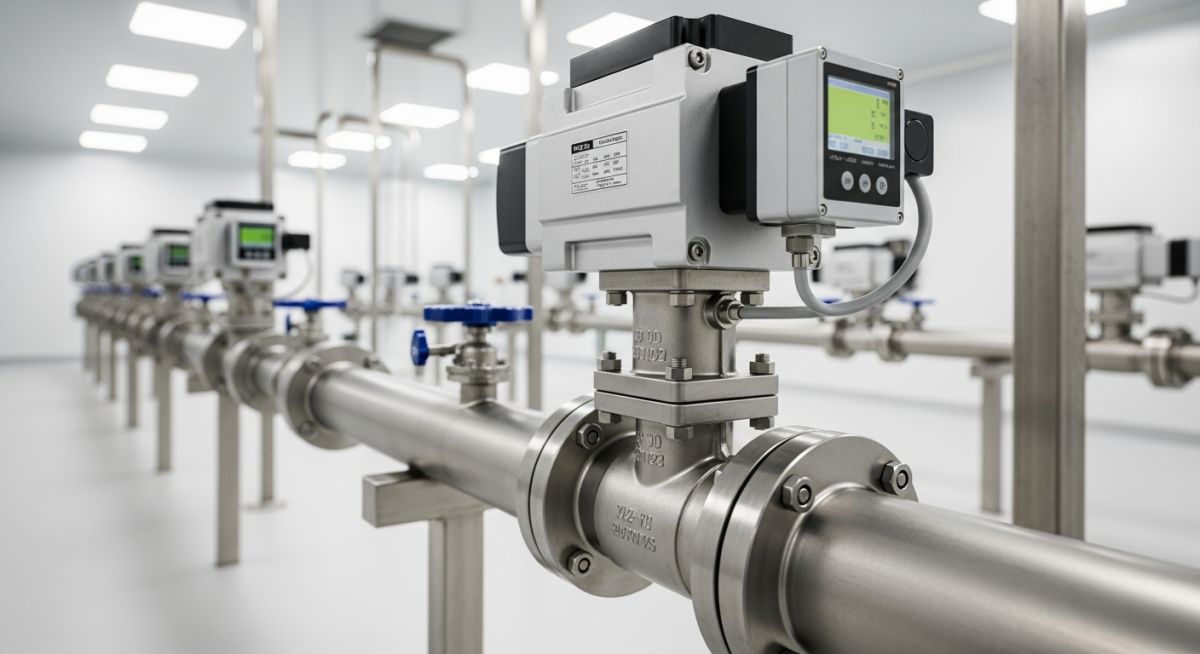
Discover what modulating valves are, how they work, their main types, industrial applications, and key benefits in process control.
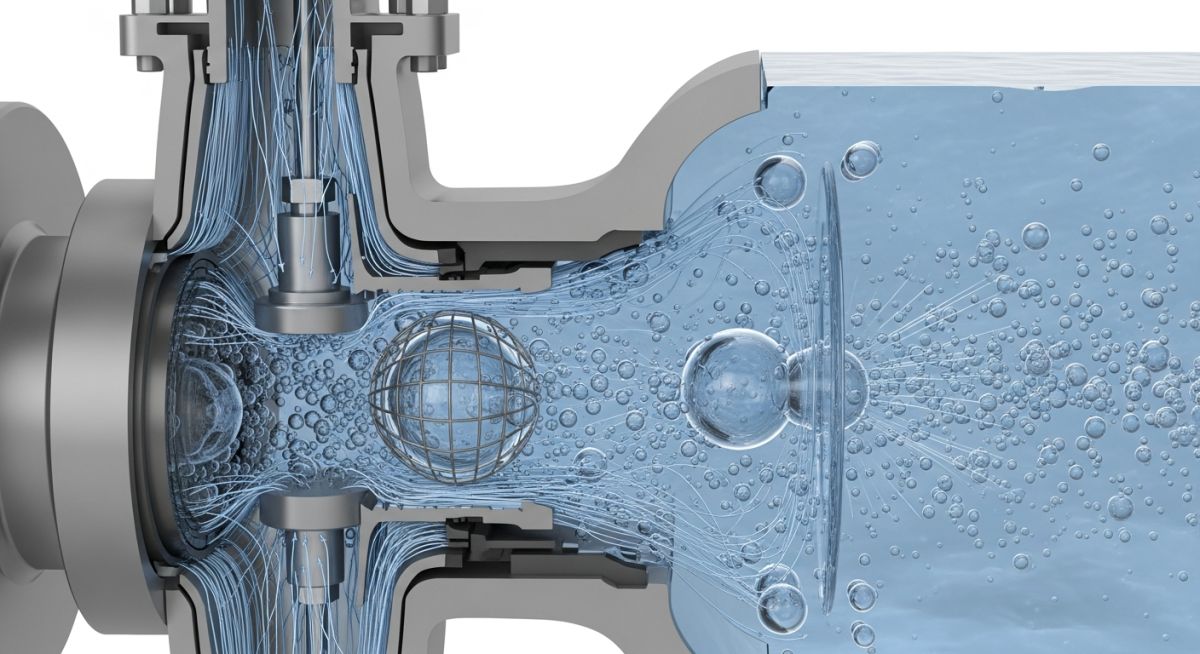
Learn the differences between choked flow, cavitation, and flashing in control valves, their causes, and how to prevent valve damage.
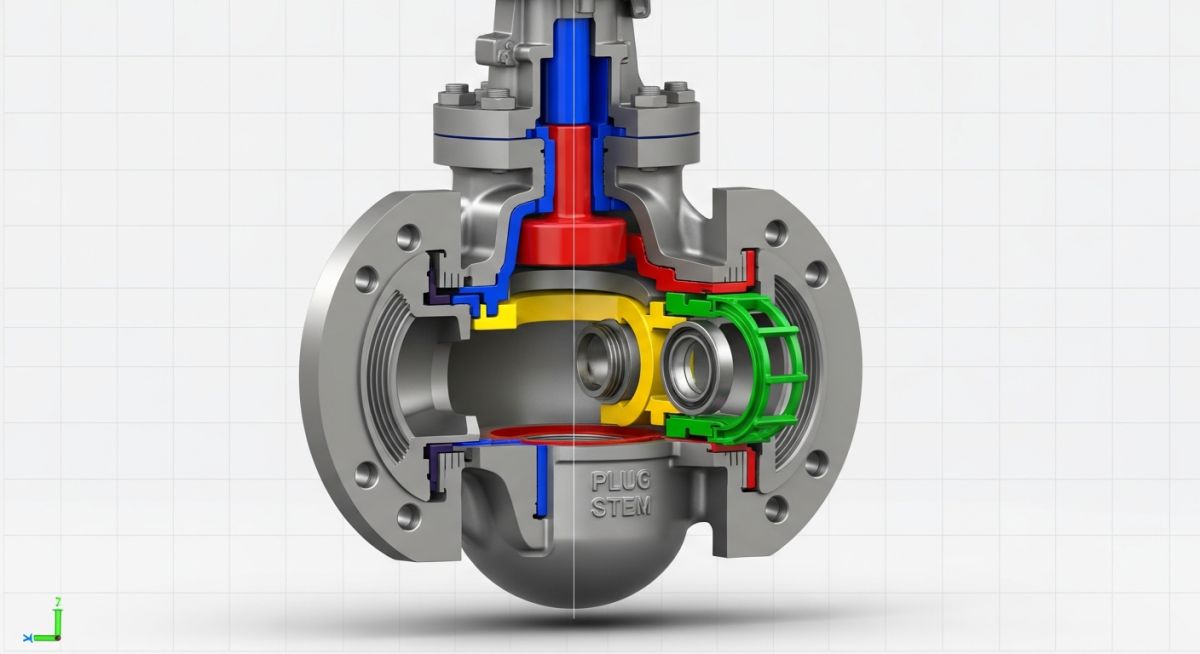
Learn what a valve trim is, its key components, common types, selection criteria, and how to read valve trim charts in this guide.
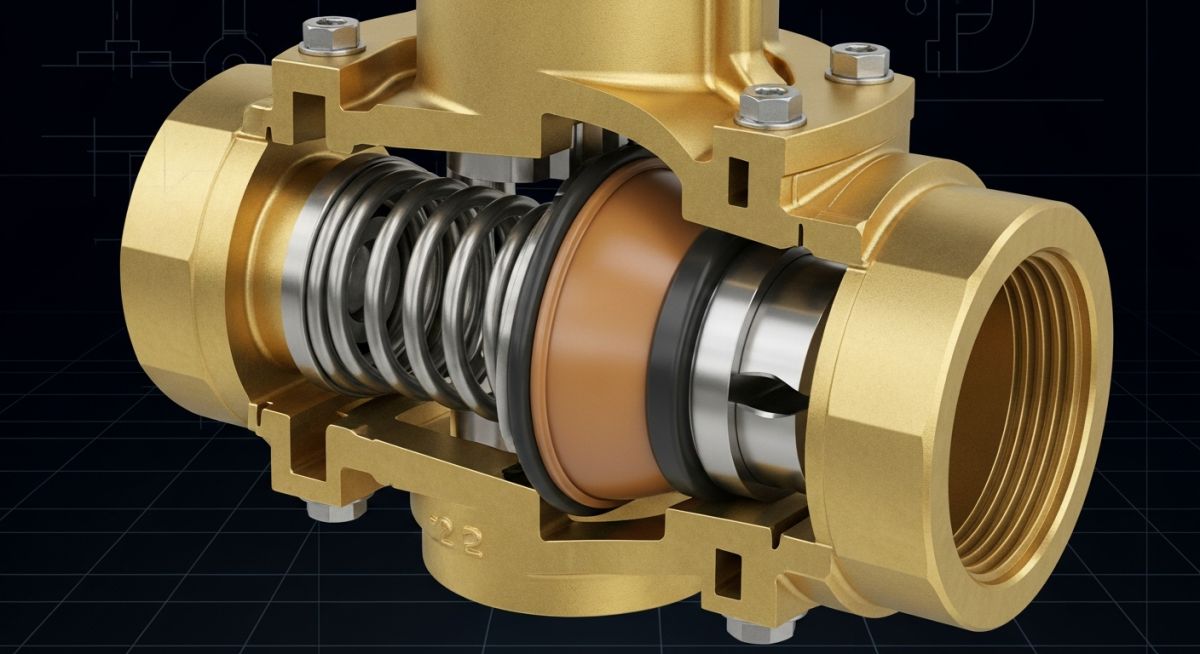
Learn how pressure regulators work, explore direct-acting vs. pilot-operated types, and discover their key engineering applications.

Master hydraulic calculations and circuits with our Udemy courses. Learn pipe sizing, pump hydraulics, and more for process industry applications.