RED III Explained: Everything Engineers Need to Know for Compliance
In my two decades of navigating industrial piping design, I have seen many regulatory shifts, but the transition from RED II to RED III represents a fundamental change in how we approach infrastructure. We are no longer just designing for pressure and temperature; we are now designing for carbon intensity and lifecycle sustainability.
The shift toward Renewable Fuels of Non-Biological Origin (RFNBO) requires us to rethink material selection, fluid compatibility, and system integration. If your project involves hydrogen, synthetic fuels, or high-temperature heat recovery, you are already operating within the scope of this directive.
Key Engineering Takeaways
- Mandatory adoption of RFNBO standards for industrial feedstock.
- Increased focus on lifecycle carbon intensity calculations for piping materials.
- Integration of renewable energy targets into existing brownfield infrastructure.
- Strict adherence to new EU-wide sustainability reporting protocols.
Complete Course on
Piping Engineering
Check Now
Key Features
- 125+ Hours Content
- 500+ Recorded Lectures
- 20+ Years Exp.
- Lifetime Access
Coverage
- Codes & Standards
- Layouts & Design
- Material Eng.
- Stress Analysis
Technical Requirements of RED III for Piping Engineering
RED III Technical Scope: This directive mandates the technical integration of renewable energy sources into industrial piping systems, requiring rigorous adherence to carbon intensity thresholds and material compatibility standards for hydrogen and synthetic fuels.
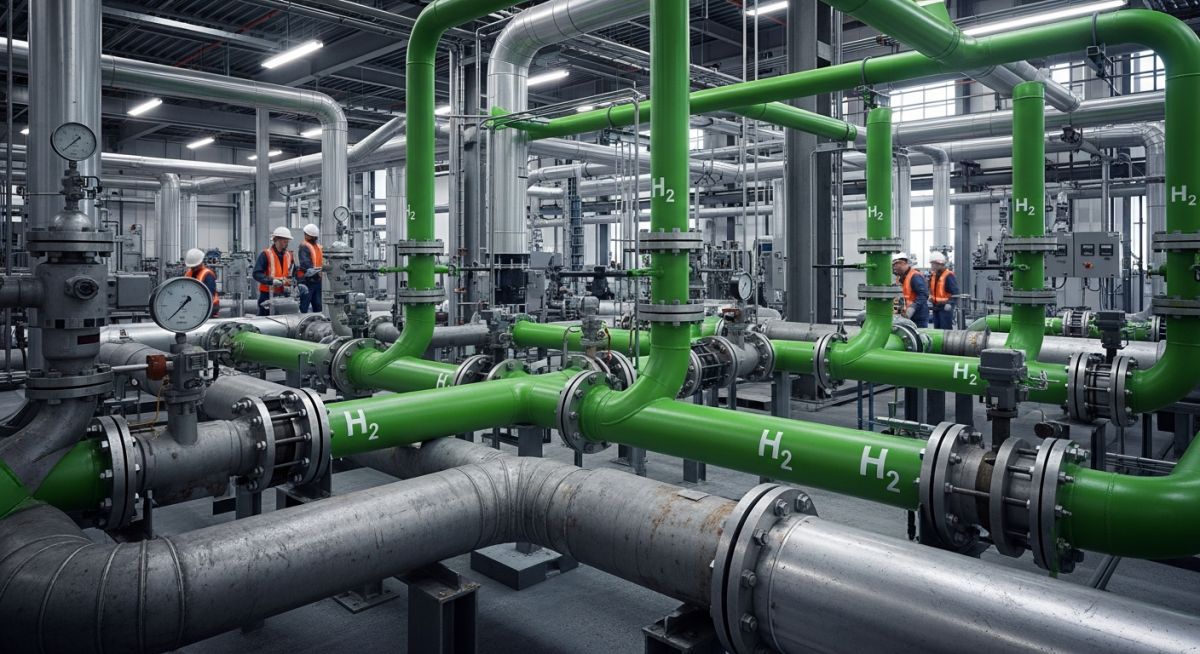
As an engineer, the most significant challenge with RED III is the transition from fossil-based feedstocks to RFNBOs. When we analyze piping systems, we must now account for the specific chemical properties of these new fuels. For instance, hydrogen embrittlement in carbon steel piping is a critical concern that necessitates a shift toward ASME B31.12 compliance for hydrogen service.
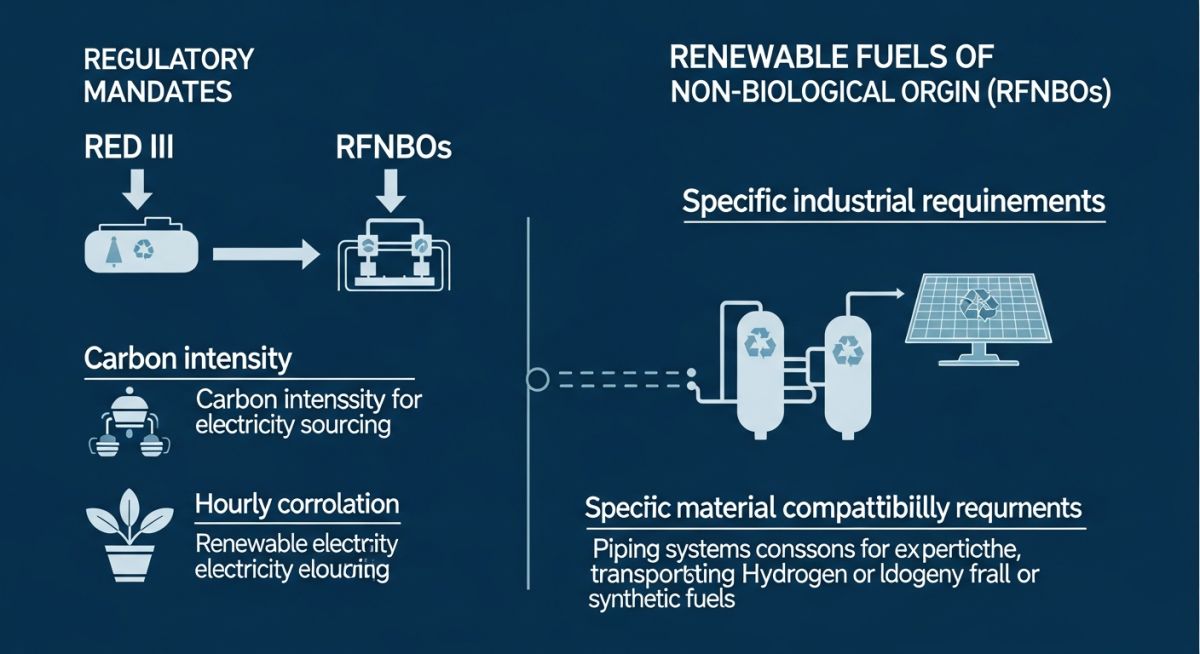
Calculating Carbon Intensity in Infrastructure
The directive requires a lifecycle assessment of the energy used in production. For piping engineers, this means the “embodied carbon” of our materials—valves, flanges, and pipe spools—now impacts the project’s overall compliance score. We must calculate the carbon footprint of the manufacturing process, often referencing ISO 14067 standards.
RFNBO Integration and System Design
RFNBOs, such as green hydrogen or e-methane, require specific infrastructure modifications. The directive mandates that these fuels meet a 70% greenhouse gas emission reduction compared to fossil fuel counterparts. From a design perspective, this necessitates:
- Material Upgrading: Moving from standard A106 Grade B to stainless steel grades like 316L or specialized alloys to prevent hydrogen-induced cracking.
- Leak Detection: Implementing advanced sensing technologies to monitor for fugitive emissions, as hydrogen has a significantly higher leakage rate than methane.
- Pressure Management: Redesigning relief systems to account for the different thermodynamic properties of hydrogen, specifically its lower density and higher flame speed.
We must also consider the “additionality” principle, which requires that the electricity used for electrolysis comes from new, non-subsidized renewable sources. This adds a layer of complexity to the power supply infrastructure for our electrolysis units, requiring robust electrical-to-piping interface design.
RED III Operational Impact: The directive balances the long-term environmental benefits of decarbonization against the immediate technical and financial burdens of infrastructure retrofitting and material compliance.
Advantages
- Accelerates the adoption of high-efficiency green hydrogen technologies.
- Provides a clear, standardized regulatory framework for cross-border energy projects.
- Encourages innovation in low-carbon material science and piping metallurgy.
- Reduces long-term dependency on volatile fossil fuel markets.
Disadvantages
- Significant capital expenditure required for brownfield infrastructure upgrades.
- Complex compliance reporting increases administrative overhead for engineering firms.
- Supply chain constraints for specialized hydrogen-compatible piping materials.
- Technical challenges in retrofitting legacy systems for high-pressure hydrogen.
Industrial Decarbonization Pathways: RED III provides the regulatory impetus for integrating renewable energy into heavy industrial processes, specifically targeting high-heat applications and chemical feedstock production.
Green Hydrogen Electrolysis Plants
Engineers are currently designing large-scale electrolysis facilities that utilize renewable power to split water into hydrogen and oxygen. These plants require specialized piping networks designed for high-purity hydrogen transport, adhering to strict safety standards to prevent leakage and embrittlement.
Synthetic Fuel (e-Fuels) Production
The production of e-fuels involves capturing carbon dioxide and reacting it with green hydrogen. This process requires complex piping systems capable of handling high-pressure CO2 and hydrogen streams, necessitating advanced material selection and rigorous pressure testing protocols.
Industrial Heat Recovery Systems
RED III encourages the use of waste heat from industrial processes to generate renewable energy. Piping engineers are tasked with designing heat exchanger networks that can operate at high temperatures while maintaining structural integrity and minimizing thermal losses in the system.
The transition toward RED III compliance necessitates a rigorous re-evaluation of existing industrial piping and process infrastructure. Engineers must now account for specific energy intensity thresholds and carbon-neutral feedstock requirements that were not present in previous regulatory iterations. The following table outlines the critical technical parameters that dictate material selection, flow assurance, and energy efficiency standards for facilities integrating renewable energy sources.
These parameters serve as the baseline for conducting life-cycle assessments and carbon footprint audits required under the updated directive. By aligning design specifications with these values, project teams can ensure that their infrastructure remains future-proof against tightening environmental regulations and evolving carbon taxation frameworks across the European industrial landscape.
| Parameter | Technical Threshold | Standard Reference |
|---|---|---|
| RFNBO Hydrogen Purity | 99.97% (ISO 14687) | ISO 14687 |
| GHG Emission Savings | Minimum 70% vs Fossil | RED III Annex V |
| Renewable Share (Industry) | 1.6% Annual Increase | EU 2023/2413 |
| Carbon Intensity Limit | 3.38 gCO2eq/MJ | Delegated Act 2023/1184 |
Navigating the complex regulatory environment of RED III requires a clear understanding of the entities and technical specifications involved in the energy transition. This matrix maps the core components of the directive to their respective engineering domains, providing a structured approach for project managers and lead engineers to track compliance requirements across multi-disciplinary project phases.
By utilizing this mapping, teams can identify potential bottlenecks in the supply chain or design phase early in the project lifecycle. Each entity listed represents a critical node in the decarbonization strategy, requiring specific documentation and validation protocols to meet the stringent reporting standards mandated by the European Commission for industrial energy consumers.
| Entity/Acronym | Engineering Domain | Compliance Standard |
|---|---|---|
| RFNBO | Hydrogen/Synthetic Fuels | EU 2023/1184 |
| GHG | Process Emissions | ISO 14064 |
| PPA | Energy Procurement | RED III Art. 15 |
| LCOE | Economic Feasibility | IEA Guidelines |
RED III Compliance Verification: Ensuring your facility meets the updated renewable energy directive requires a systematic audit of both physical infrastructure and operational data. This checklist provides the necessary checkpoints for engineers to validate that their systems align with the latest EU mandates for renewable energy integration and carbon intensity reduction.
- Feedstock Validation: Verify that all hydrogen inputs meet the Renewable Fuels of Non-Biological Origin (RFNBO) criteria as defined in Delegated Act 2023/1184.
- Emission Monitoring: Install continuous emission monitoring systems (CEMS) to track real-time carbon intensity of process heat and steam generation.
- Grid Correlation: Confirm that electricity procurement contracts (PPAs) include temporal and geographical correlation requirements for renewable energy credits.
- Piping Material Integrity: Assess existing piping systems for hydrogen embrittlement risks if transitioning from natural gas to hydrogen-blended streams.
- Energy Efficiency Audit: Document annual energy savings achieved through heat recovery systems to meet the 1.6% annual industrial target.
Each checkpoint must be documented with supporting technical data, including material certificates, energy consumption logs, and third-party verification reports. Failure to maintain these records can lead to non-compliance penalties and loss of eligibility for renewable energy subsidies. Always consult with your local regulatory body to ensure that site-specific interpretations of the directive are correctly applied to your facility’s unique operational profile.
Problem: Hydrogen Blending Infrastructure Retrofit
A major chemical processing plant faced significant challenges when attempting to integrate a 20% hydrogen blend into their existing natural gas-fired furnace infrastructure to meet RED III decarbonization targets.
- Existing carbon steel piping showed susceptibility to hydrogen-induced cracking.
- Burner control systems were unable to handle the increased flame speed of hydrogen.
- Lack of certified RFNBO hydrogen supply chain documentation for regulatory audit.
- Inadequate pressure relief valve capacity for the higher volumetric flow rates required.
Outcome: Successful Infrastructure Transition
The facility achieved full compliance by implementing a phased upgrade strategy that prioritized safety and regulatory alignment.
- Replaced critical piping sections with hydrogen-compatible stainless steel alloys.
- Installed advanced burner management systems with automated fuel-air ratio control.
- Established a blockchain-based tracking system for RFNBO hydrogen procurement.
- Reduced total facility carbon intensity by 18% within the first operational year.
The recommendation for similar projects is to conduct a comprehensive material compatibility study before initiating any fuel-switching program. Engaging with specialized engineering consultants early in the design phase ensures that all modifications meet the stringent safety and environmental standards required by the latest European directives.
Frequently Asked Engineering Questions
What are the primary differences between RED II and RED III?
- Stricter requirements for the industrial sector, mandating a 1.6% annual increase in renewable energy usage.
- Introduction of more rigorous RFNBO (Renewable Fuels of Non-Biological Origin) criteria.
- Enhanced cross-border cooperation mechanisms for renewable energy projects.
- Simplified permitting processes for renewable energy installations to reduce project lead times.
How does RFNBO impact piping material selection?
- Hydrogen embrittlement becomes a primary concern for standard carbon steel piping.
- Engineers must specify materials compliant with ASME B31.12 for hydrogen service.
- Welding procedures must be qualified specifically for hydrogen-rich environments to prevent micro-cracking.
- Sealing materials and gaskets must be evaluated for hydrogen permeability and degradation over time.
What is the role of temporal correlation in RED III?
- This prevents the use of “green” certificates from periods of high renewable generation to offset “grey” electricity usage during peak demand.
- It forces electrolyzer operators to align their production schedules with renewable energy availability.
- This requirement is essential for verifying the true carbon neutrality of the produced hydrogen under Delegated Act 2023/1184.
Are there specific reporting requirements for industrial plants?
- Annual reporting of total energy consumption and the share of renewable energy sources.
- Documentation of PPA (Power Purchase Agreement) validity and renewable energy credit origin.
- Verification of GHG emission savings for all RFNBO-related processes.
- Submission of audit reports to national regulatory authorities as required by the directive.
How does RED III affect existing natural gas infrastructure?
- Integrity assessments are required to determine the maximum allowable hydrogen concentration for existing pipelines.
- Compressor stations may require significant modifications to handle the lower energy density and different molecular properties of hydrogen.
- Leak detection systems must be upgraded to account for the smaller molecular size of hydrogen compared to methane.
- Regulatory compliance requires adherence to updated safety standards for gas distribution networks.
What is the future outlook for RED III implementation?
- Increased demand for electrolyzers and renewable energy storage solutions.
- Expansion of hydrogen pipeline networks to connect production hubs with industrial consumers.
- Continued tightening of carbon intensity limits, pushing industries toward full electrification or green hydrogen adoption.
- Development of new market mechanisms for trading renewable energy and carbon credits.

📚 Recommended Resources: RED III
Read these Guides
🎓 Advanced Training
🎥 Watch Tutorials

Related posts:
![Conceptual diagram of renewable energy sources feeding a green hydrogen electrolysis plant under RFNBO compliance.]()
Additionality Explained Under RFNBO Rules: A Technical Engineering Perspective
![Conceptual visualization of temporal correlation between wind energy generation and green hydrogen electrolysis for EU regulatory compliance.]()
Temporal Correlation Explained Under RFNBO Regulations
![Integrated green methanol production facility showing electrolyzers, carbon capture units, and synthesis reactors with renewable energy infrastructure.]()
Green Methanol Production: Engineering Requirements and Industrial Synthesis Pathways
![Large industrial green ammonia storage tank with cryogenic piping and renewable energy infrastructure in the background.]()
Green Ammonia Storage Systems Design and Industrial Safety Protocols
![Industrial water supply system feeding a large-scale green hydrogen electrolyzer plant.]()
Water Requirement for Green Hydrogen Plants: Engineering Design and Optimization
![Industrial Air Separation Unit facility showing compression, purification, and cryogenic distillation columns for gas production.]()
Air Separation Unit Explained: Engineering Principles and Industrial Gas Production