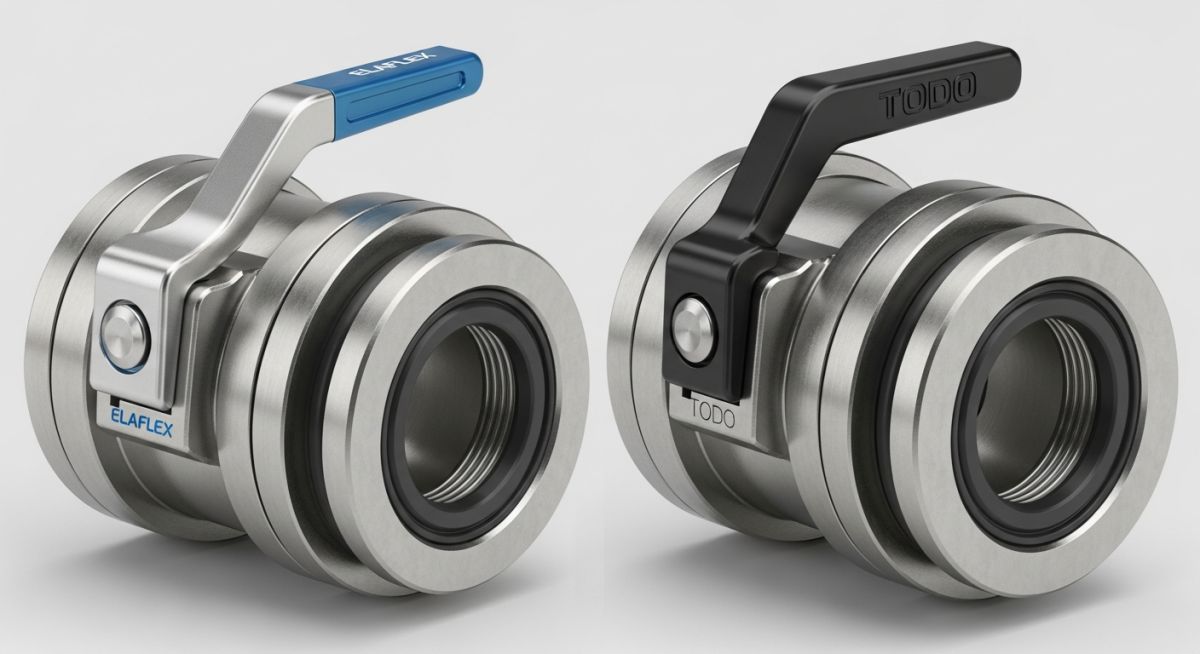
Mastering Industrial Hose Couplings: Elaflex vs Todo Systems
In my two decades of managing fluid transfer terminals, I have learned that the integrity of a piping system is only as strong as its weakest connection. Selecting the right industrial hose couplings is not merely about matching thread sizes; it is about mitigating the catastrophic risks associated with high-pressure chemical and fuel transfer. Whether you are specifying Elaflex dry disconnects or Todo coupling technology, understanding the mechanical engagement and seal geometry is paramount for operational safety.
This guide dissects the engineering nuances between these two industry leaders, focusing on how their specific design architectures handle thermal expansion, pressure surges, and hazardous media containment. We will move beyond marketing brochures to examine the actual stress parameters and material compatibility requirements that dictate long-term performance in the field.
Key Takeaways for Piping Engineers:
- Evaluate seal material compatibility against ASTM D2000 standards.
- Understand the pressure-drop characteristics of internal valve mechanisms.
- Prioritize dry-break technology to minimize environmental exposure during disconnection.
- Verify coupling material metallurgy against process fluid corrosivity.
Technical Deep-Dive: Hose Coupling Engineering Standards
Hose Coupling Engineering: The application of mechanical design principles to ensure leak-free fluid transfer through high-integrity coupling interfaces, strictly adhering to ISO 228 and ASME B16.5 pressure-temperature ratings.
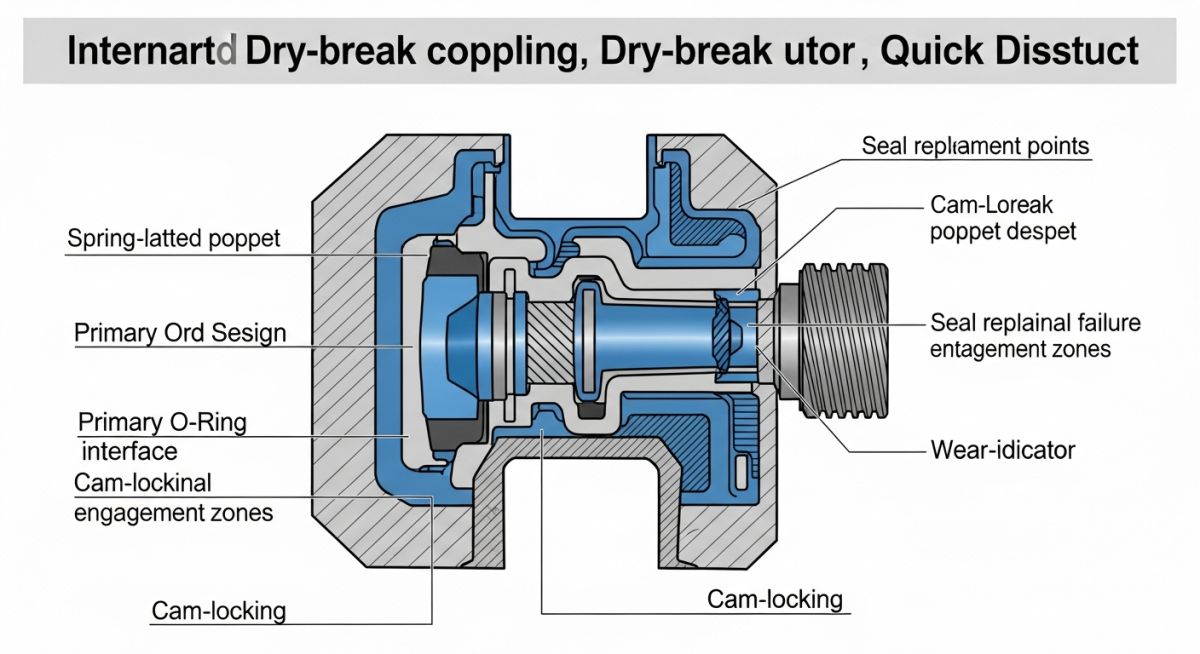
When evaluating Elaflex and Todo coupling systems, we must first address the mechanical engagement mechanism. Elaflex systems, particularly their dry-break couplings, rely on a robust poppet valve design that ensures the flow path is sealed before the mechanical connection is fully disengaged. This is critical in preventing “spill-on-disconnect” scenarios. In my experience, the primary failure mode in these systems is not the coupling body itself, but the degradation of the internal O-ring seals due to chemical incompatibility or thermal cycling.
The engineering calculation for these couplings involves determining the maximum allowable working pressure (MAWP) under dynamic load conditions. Unlike static piping, hose assemblies experience significant vibration and axial tension. We calculate the required coupling strength using the formula: P_max = (2 * S * t) / (D – 2 * t), where S represents the allowable stress of the coupling material, t is the minimum wall thickness, and D is the outer diameter. It is vital to ensure that the coupling’s rated pressure exceeds the hose assembly’s burst pressure by a safety factor of at least 4:1.
Field Warning: Pressure Surges
Never assume that a coupling rated for 16 bar is safe for a system with frequent water hammer or pressure surges. Always install a pressure relief valve or a surge suppressor upstream of the coupling station to protect the internal poppet springs from fatigue failure.
Todo couplings utilize a unique “dry-break” cam-and-groove variant that provides a high degree of safety for hazardous media. The design incorporates a double-ball valve mechanism that closes automatically upon disconnection. From a maintenance perspective, the Todo system is often preferred in high-frequency transfer operations because the internal components are modular and easier to inspect without specialized tooling. However, the complexity of the internal spring-loaded valves means that they are more sensitive to particulate contamination than simpler cam-lock designs.
When specifying these components, I always cross-reference the seal material with the DuPont chemical resistance guide. For instance, while Viton is excellent for many hydrocarbons, it may fail in the presence of certain amines or high-temperature steam. Always document the seal material (e.g., FKM, EPDM, FFKM) in your piping and instrumentation diagrams (P&ID) to prevent incorrect replacements during routine maintenance cycles.
Coupling Performance Analysis: A comparative assessment of mechanical reliability, maintenance requirements, and safety features for high-pressure industrial hose connection systems.
Advantages
- Minimal Spill Potential: Dry-break designs ensure near-zero product loss during disconnection.
- High Pressure Integrity: Engineered for extreme service conditions exceeding 25 bar.
- Modular Maintenance: Internal components are easily replaceable, reducing total cost of ownership.
- Safety Interlocks: Integrated mechanisms prevent accidental opening while under pressure.
Disadvantages
- High Initial Capital Cost: Significant investment compared to standard cam-lock or flange connections.
- Sensitivity to Debris: Internal poppet valves can jam if process fluids contain particulate matter.
- Weight Constraints: Robust construction adds significant weight to the hose end, impacting operator ergonomics.
- Complex Seal Replacement: Requires specific training and specialized tools to ensure proper seal seating.
Industrial Coupling Deployment: Strategic implementation of high-integrity connection systems across critical infrastructure to ensure environmental compliance and operational safety.
Petrochemical Loading Terminals
In bulk liquid transfer, these couplings are essential for loading road tankers and rail cars with hazardous chemicals. The dry-break technology prevents volatile organic compound (VOC) emissions, ensuring compliance with stringent environmental regulations while protecting operators from chemical exposure.
Offshore Fuel Bunkering
Marine environments demand high corrosion resistance and mechanical reliability under constant motion. Using stainless steel or Hastelloy-bodied couplings ensures that fuel transfer between supply vessels and offshore platforms remains leak-free despite the harsh salt-spray conditions and high-pressure pumping requirements.
Pharmaceutical Solvent Handling
High-purity manufacturing requires couplings that can be cleaned in place (CIP) or sterilized in place (SIP). The smooth internal flow paths of specialized dry-break couplings minimize dead zones where bacteria or cross-contamination could occur, meeting the rigorous standards of the pharmaceutical industry.
Cryogenic Fluid Transfer
Handling liquefied gases like LNG or liquid nitrogen requires couplings designed for extreme thermal contraction. These systems utilize specialized seal materials and spring-loaded mechanisms that maintain a tight seal even when the coupling body reaches temperatures as low as minus 196 degrees Celsius.
Selecting the appropriate coupling for high-pressure fluid transfer requires a rigorous evaluation of pressure ratings, material compatibility, and mechanical locking mechanisms. In my experience, the distinction between standard industrial fittings and specialized dry-break systems like those from Elaflex or Todo often dictates the difference between a routine maintenance cycle and a catastrophic containment failure.
The following table outlines the critical performance parameters that engineers must reconcile against their specific process fluid data sheets. Note that while nominal pressure ratings are provided, the effective working pressure must always be de-rated based on the operating temperature and the specific seal material chosen, as per ASME B31.3 guidelines for process piping components.
| Coupling Type | Max Pressure (bar) | Seal Material | Primary Application |
|---|---|---|---|
| Elaflex Dry Disconnect | 25 | FKM / EPDM | Fuel Loading / Chemical |
| Todo-Matic Dry Break | 35 | FFKM / PTFE | Aggressive Acids / Cryogenics |
| Cam & Groove (Std) | 16 | Nitrile / Viton | General Water / Oil |
Engineers should prioritize the selection of dry-break technology when handling hazardous substances to minimize fugitive emissions. Always verify that the coupling body material, such as 316L Stainless Steel or Hastelloy, is chemically inert to the process medium to prevent stress corrosion cracking.
The integration of specialized hose couplings into a piping system requires a deep understanding of the mechanical interfaces and the governing standards that ensure operational safety. This matrix maps the physical parameters of high-performance couplings against the industry-standard requirements for fluid containment and structural integrity.
By aligning these entities, we ensure that the design phase accounts for both the mechanical load of the hose assembly and the chemical resistance of the internal sealing components. Referencing API RP 2003 for static electricity mitigation is also mandatory when dealing with flammable fuel transfer systems.
| Entity | Standard | Function |
|---|---|---|
| Dry-Break Mechanism | ISO 22241 | Spill-free disconnection |
| Threaded End Connection | ASME B1.20.1 | Mechanical sealing interface |
| Pressure Containment | ASME B31.3 | Structural pressure boundary |
This mapping serves as a foundational guide for procurement and installation teams. Ensuring that every coupling component is traceable to its material certificate and pressure test report is a non-negotiable aspect of modern piping engineering practice.
Before commissioning any fluid transfer line, a systematic verification of the hose coupling assembly is required to prevent leaks and ensure personnel safety. My field experience suggests that most failures occur not due to product defects, but due to improper installation or mismatched components. Use this checklist to validate your site setup against industry best practices.
-
Material Compatibility: Confirm that the coupling body and seal material (e.g., FFKM, EPDM) are compatible with the chemical properties of the process fluid per NACE standards. -
Pressure Rating Verification: Ensure the coupling’s maximum allowable working pressure (MAWP) exceeds the system’s relief valve set pressure by at least 10%. -
Mechanical Integrity: Inspect the locking lugs and cam arms for signs of wear, deformation, or corrosion that could compromise the connection seal. -
Grounding and Bonding: Verify that the hose assembly includes a continuous electrical path to ground to prevent electrostatic discharge during high-velocity fuel transfer. -
Documentation Check: Confirm that all components have valid mill test reports (MTRs) and that the assembly has undergone a hydrostatic pressure test.
Always document the results of these checks in the project’s quality assurance log. If any component fails the visual inspection, it must be tagged out and replaced immediately; never attempt to repair a damaged coupling body in the field, as this voids the manufacturer’s certification and compromises the pressure boundary.
Problem: Recurring Leakage in Chemical Loading Terminal
A major chemical facility experienced persistent, low-level leakage at the loading arm interface, leading to environmental compliance violations and safety concerns.
- Incompatible seal material reacting with aggressive solvent.
- Excessive mechanical vibration causing premature wear on coupling locking pins.
- Lack of a standardized inspection interval for high-cycle connections.
- Inadequate training on the proper engagement of the dry-break mechanism.
Outcome: Implementation of High-Performance Coupling Standards
By transitioning to a standardized Todo-Matic coupling system with upgraded FFKM seals, the facility achieved a 100% reduction in fugitive emissions during the transfer process.
- Zero reported leaks over a 24-month operational period.
- Reduced maintenance downtime by 40% due to the simplified coupling design.
- Improved operator safety through the implementation of a spill-free, dry-break protocol.
- Enhanced compliance with local environmental regulatory standards.
The recommendation for similar facilities is to conduct a comprehensive audit of all hose coupling interfaces. Standardizing on high-integrity dry-break technology, even at a higher initial capital cost, provides a significant return on investment through reduced environmental liability and improved operational uptime.
Frequently Asked Engineering Questions
What is the primary difference between Elaflex and Todo couplings?
While both manufacturers provide high-quality dry-break solutions, the primary differences lie in their mechanical locking geometry and seal design philosophies. Elaflex is often favored for its robust, field-proven reliability in fuel handling, whereas Todo couplings are frequently specified for their superior performance in high-pressure, highly aggressive chemical applications.
- Elaflex designs prioritize ease of operation and long-term durability in standard fuel environments.
- Todo systems utilize a unique ball-locking mechanism that provides enhanced security under extreme pressure fluctuations.
- Selection should be based on the specific chemical compatibility requirements and the required pressure rating of the piping system.
How do I determine the correct seal material for my application?
Seal material selection is the most critical factor in preventing coupling failure and ensuring long-term containment. You must cross-reference the chemical composition of your process fluid with the manufacturer’s chemical resistance chart, paying close attention to temperature limits and potential swelling effects.
- Use FKM (Viton) for general hydrocarbon and fuel applications where temperature is moderate.
- Specify FFKM (Perfluoroelastomer) for highly aggressive solvents or acids that would degrade standard elastomers.
- Consult ASTM D2000 for standardized classification of rubber products in automotive and industrial applications.
Are dry-break couplings required by international safety standards?
While not universally mandated for every application, dry-break couplings are increasingly required by environmental and safety regulations for the transfer of hazardous, toxic, or flammable substances. These standards aim to eliminate the risk of accidental spills during the disconnection process, which is a common point of failure in traditional cam-and-groove systems.
- Regulatory bodies often cite the need for “best available technology” to minimize fugitive emissions.
- Dry-break systems provide an automatic shut-off feature that prevents fluid release if the coupling is disconnected under pressure.
- Always verify local jurisdictional requirements, as they may be more stringent than general international guidelines.
What is the recommended maintenance interval for industrial couplings?
Maintenance intervals should be established based on the frequency of use, the severity of the service environment, and the manufacturer’s recommendations. In my practice, I recommend a visual inspection before every shift and a comprehensive mechanical integrity test at least once every six months.
- High-cycle applications may require monthly inspections of the locking mechanism and seal integrity.
- Replace all internal seals during every major turnaround or if the coupling has been exposed to extreme temperature excursions.
- Keep detailed records of all inspections and replacements to support your facility’s safety audit trail.
Can I mix and match coupling brands in a single system?
Mixing and matching coupling brands is strongly discouraged and, in many cases, violates the manufacturer’s warranty and safety certification. Even if the thread sizes appear identical, the internal tolerances and locking mechanisms are proprietary and designed to function as a matched pair.
- Mismatched components can lead to incomplete sealing, resulting in leaks or catastrophic failure under pressure.
- Proprietary locking geometries ensure that the coupling cannot be partially engaged, which is a critical safety feature.
- Always source the male and female components from the same manufacturer to ensure full system compatibility and safety.
How does temperature affect the pressure rating of a coupling?
Temperature has a direct and significant impact on the pressure-retaining capability of any coupling, particularly regarding the elastomeric seals and the mechanical properties of the body material. As temperatures rise, the material strength decreases, and the seal’s ability to maintain a leak-tight interface is compromised.
- Always consult the manufacturer’s pressure-temperature (P-T) rating charts before finalizing your design.
- De-rate the coupling’s maximum pressure if the operating temperature exceeds the ambient baseline specified in the data sheet.
- Consider the thermal expansion coefficients of the coupling materials when designing for cryogenic or high-temperature steam applications.
📚 Recommended Resources: Hose Couplings
Read these Guides
🎥 Watch Tutorials

Complete Course on
Piping Engineering
Check Now
Key Features
- 125+ Hours Content
- 500+ Recorded Lectures
- 20+ Years Exp.
- Lifetime Access
Coverage
- Codes & Standards
- Layouts & Design
- Material Eng.
- Stress Analysis
