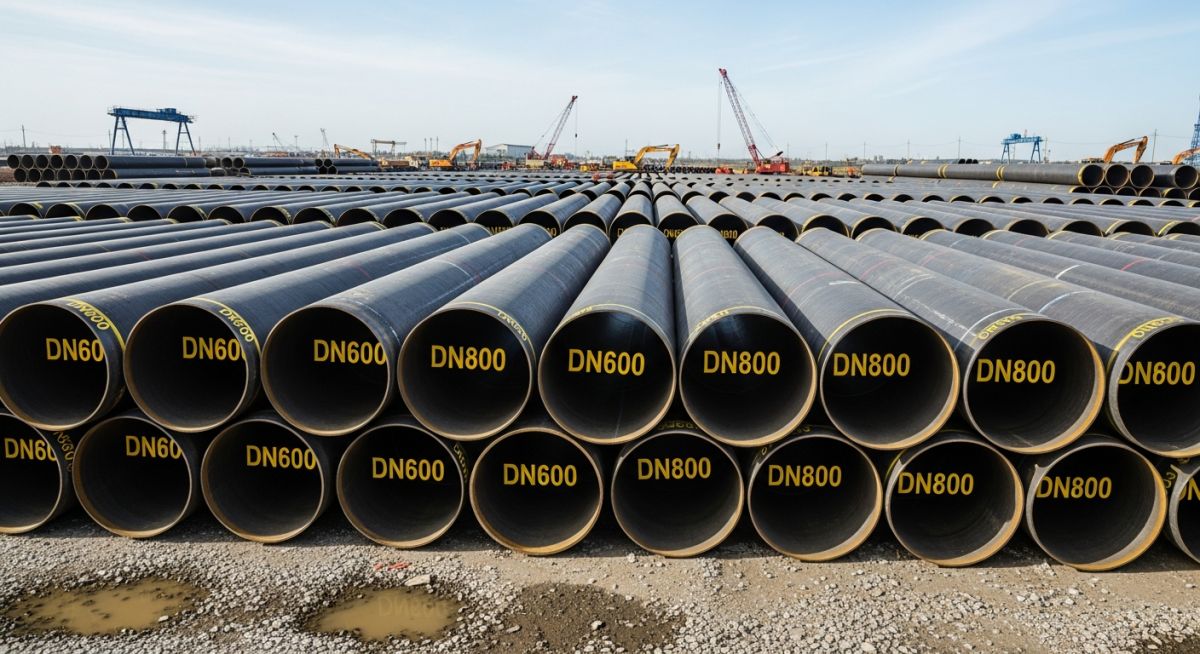
Ductile Iron Pipe Dimensions – Global Standards, Field Challenges & Engineering Insights
In my 20+ years of piping engineering, I’ve seen multiple project delays, leakages, and costly rework—all rooted in one common issue: misunderstanding ductile iron pipe dimensions. Engineers often assume global interchangeability, but standards like AWWA, EN, and ISO differ significantly in OD, ID, and thickness classes.
Key Takeaways from Field Experience
- Ductile iron pipe dimensions vary across AWWA, EN, and ISO standards.
- DN (Nominal Diameter) is not equal to exact inch-based sizing.
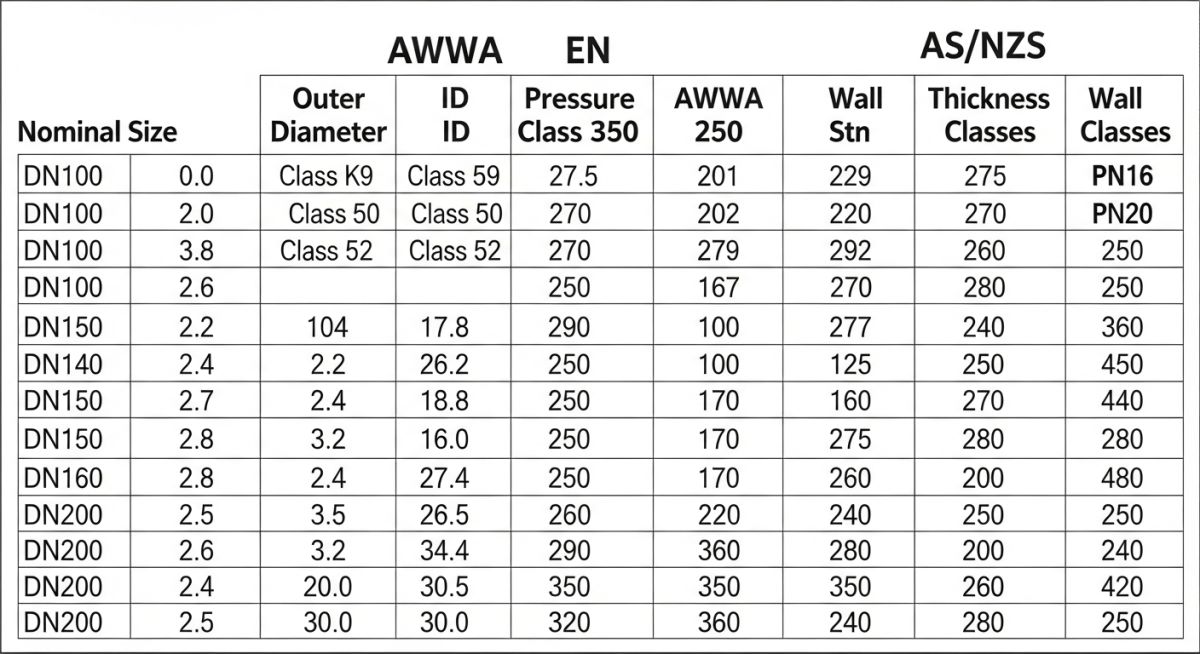
- Wall thickness class (K7, K9, Class 52) directly impacts pressure capacity.
- Mixing standards without dimensional verification leads to alignment failures.
- Always verify OD and ID before procurement or installation.
Quick Answer (50 Words)
Ductile iron pipe dimensions depend on regional standards such as AWWA C151, EN 545, and ISO 2531. Each defines outer diameter, wall thickness, and pressure class differently, making pipes non-interchangeable globally. Engineers must verify exact OD, ID, and class to avoid installation issues and ensure system reliability.
Interactive Engineering Quiz
Q1. Which standard governs ductile iron pipe dimensions in North America?
Ductile Iron Pipe Dimensions in North America
In my projects across India and Middle East EPC jobs, whenever we dealt with US consultants, ductile iron pipe dimensions were strictly governed by AWWA standards, particularly AWWA C151 (Ductile Iron Pipe).
AWWA defines pipe dimensions based on:
- Nominal Diameter (inch-based system)
- Outside Diameter (OD – fixed for each size)
- Wall thickness based on pressure class (Class 50, 51, 52, etc.)
Ductile Iron Pipe Dimensions in Europe
European projects typically follow CEN standards, specifically EN 545.
Unlike AWWA, EN system is based on:
- DN (Nominal Diameter in mm)
- Wall thickness classes like K7, K9
- Standardized OD based on DN
Ductile Iron Pipe Dimensions in Australia and New Zealand
In ANZ region, ductile iron pipe dimensions follow Standards Australia under AS/NZS 2280.
Key characteristics:
- Closely aligned with ISO 2531
- DN-based system
- Pressure ratings defined differently from EN
Ductile Iron Pipe Dimensions – Key Differences Across Standards
From a piping engineer’s perspective, the biggest trap is assuming interchangeability.
- AWWA uses inch system; EN/ISO use DN
- OD varies between standards for same nominal size
- Thickness classes are NOT equivalent
- Jointing systems differ significantly
Ductile Iron Pipe Dimensions – Field Selection Guidelines
In my experience, correct selection of ductile iron pipe dimensions involves:
- Always matching standard with project specification
- Verifying OD compatibility with fittings
- Checking surge pressure vs thickness class
- Reviewing soil load and installation depth
Field Case Study: Real-World Application
In one EPC water transmission project I handled, the contractor procured EN 545 DN 400 pipes while fittings were sourced based on AWWA C151 16-inch specifications. On paper, these seemed equivalent — but during installation, flange mismatch and joint leakage occurred.
After dimensional audit, we replaced fittings to match EN standard OD and re-aligned pipeline sections. This avoided long-term leakage risks and ensured hydraulic performance compliance.
From this experience, I always emphasize: never assume equivalency between standards. Even when nominal diameters appear similar, the outside diameter (OD), wall thickness, and jointing systems vary significantly.
For detailed AWWA pipe specifications, refer to AWWA C151 Standard, while European pipes should be checked against EN 545 Standard.
👉 My Recommendation: Always perform a dimensional compatibility check before procurement — not after delivery.