Learn the principles, step-by-step procedure, standards, and pros/cons of the dye penetration test for non-destructive material inspection.
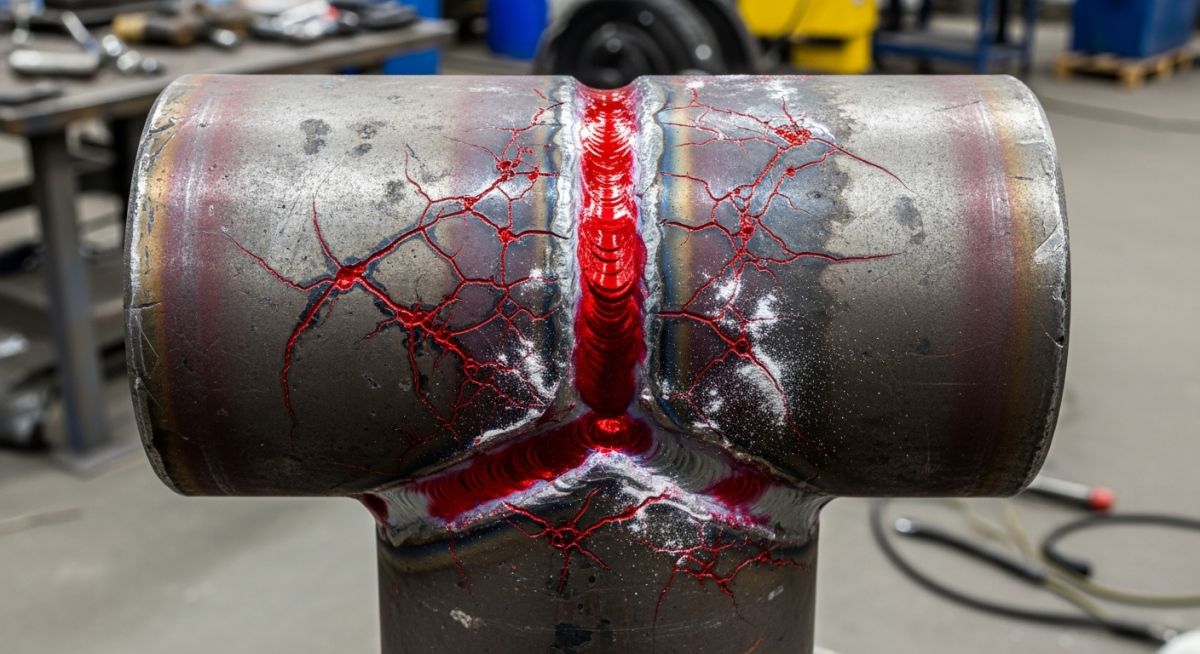
Learn the principles, step-by-step procedure, standards, and pros/cons of the dye penetration test for non-destructive material inspection.
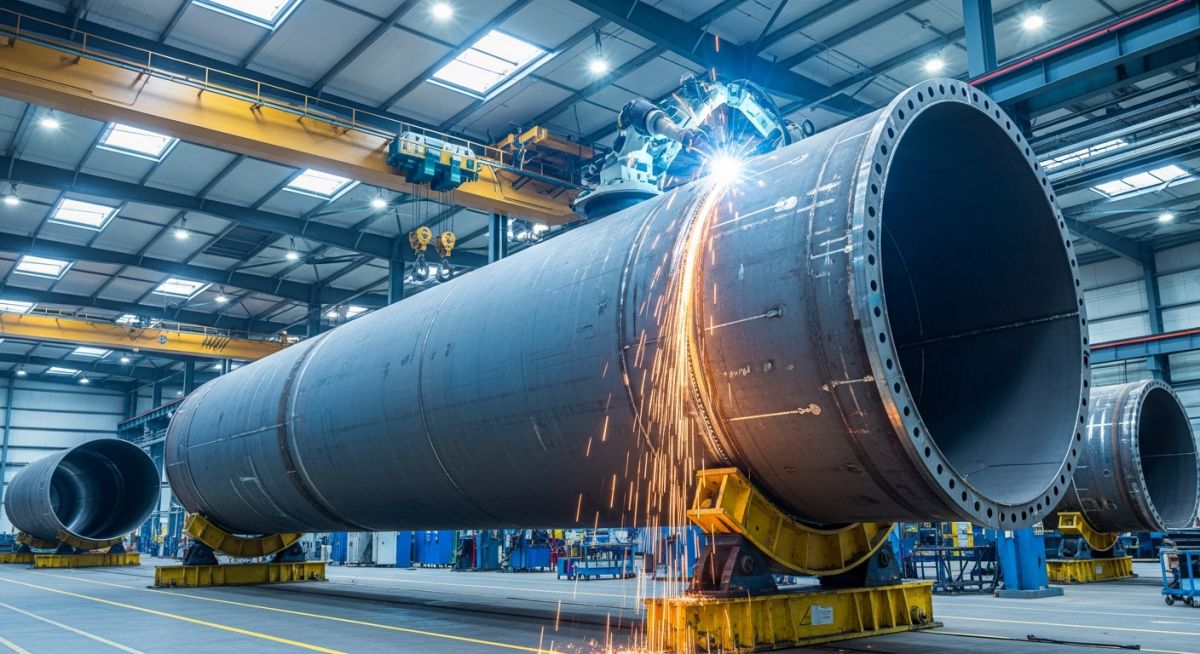
Discover the essential steps of pressure vessel manufacturing, from material selection and forming to welding, inspection, and testing.
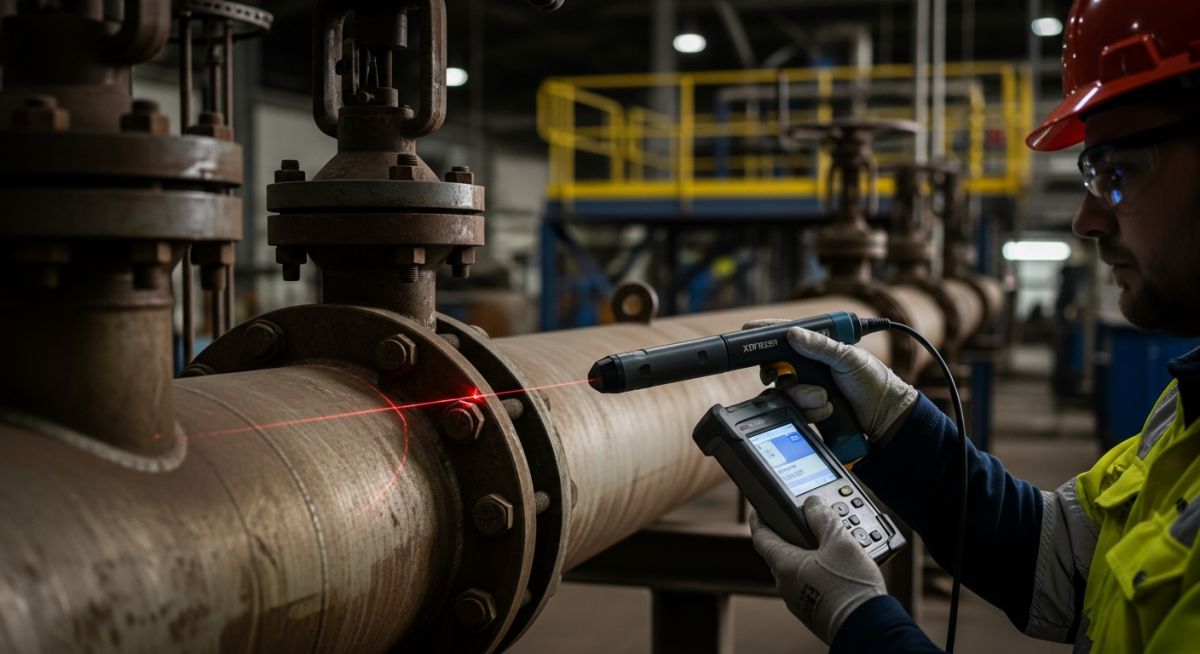
Learn what Positive Material Identification (PMI) is, its key testing methods like XRF and OES, industrial applications, and benefits.
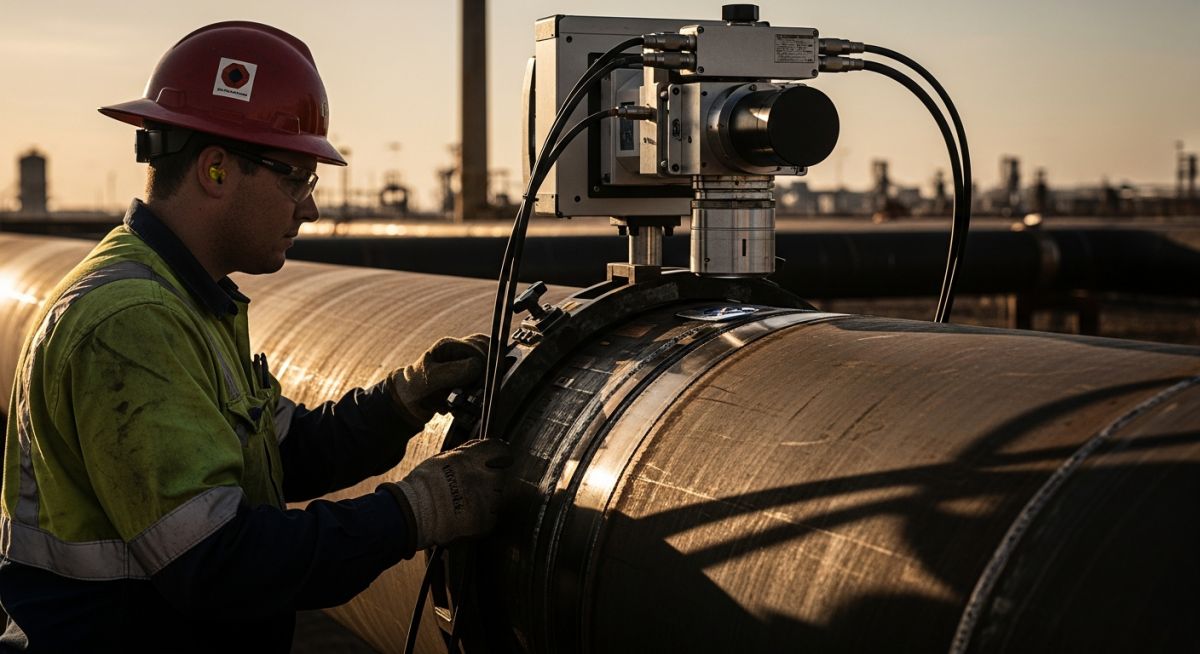
Learn about radiographic testing (RT), its working principles, types, procedures, industry standards, advantages, and limitations in NDT.

Learn what piping inspection is, including key methods, industry standards, and why it is critical for industrial safety and compliance.
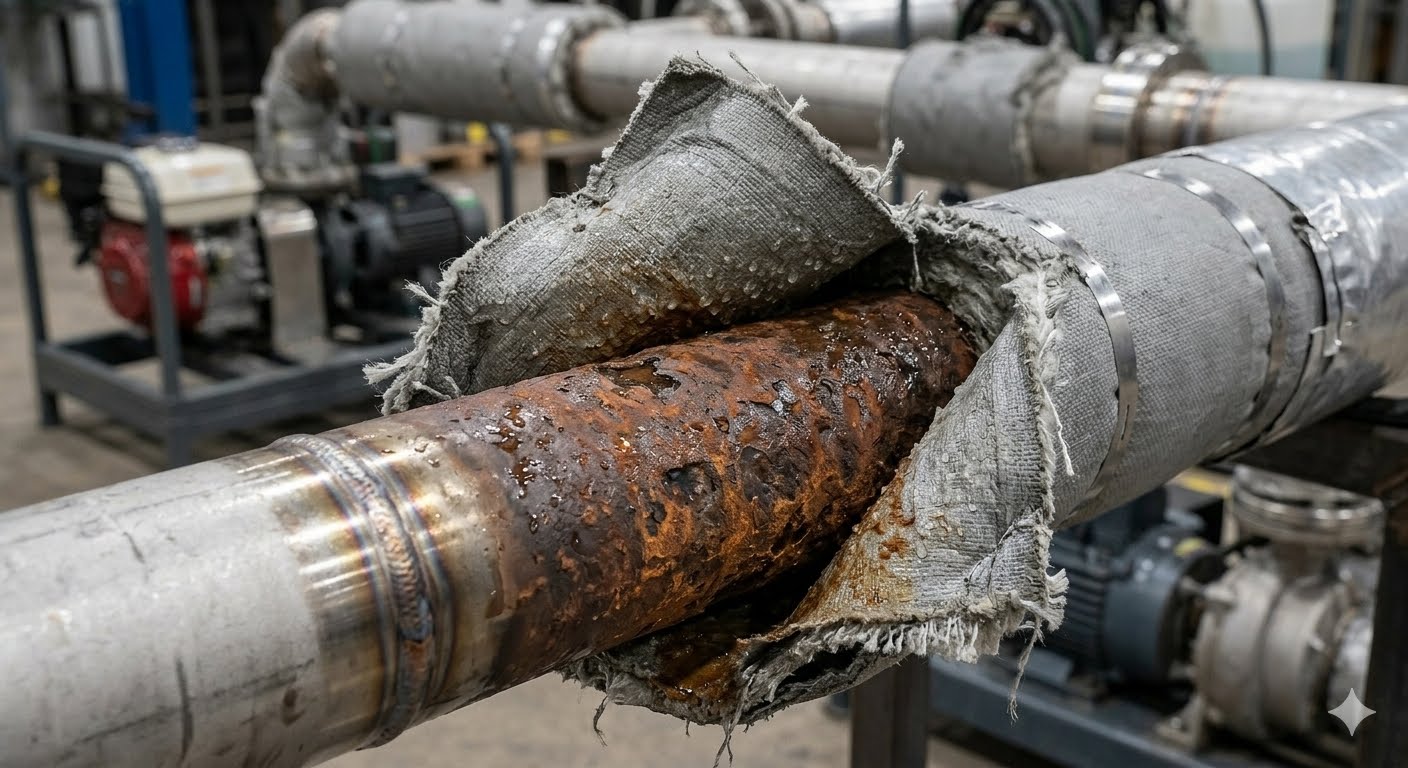
Learn what corrosion under insulation (CUI) is, what causes it, and how to prevent this hidden threat to industrial piping and equipment.
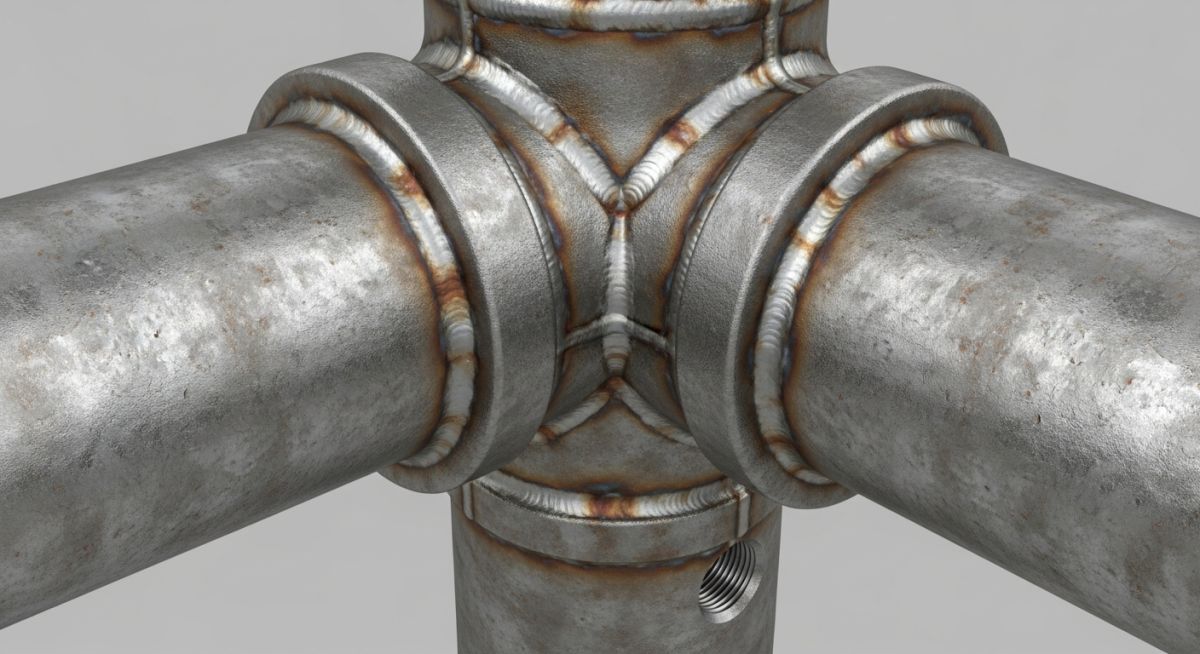
Learn the purpose, design, and safety functions of a weep hole in piping systems and pressure vessels.
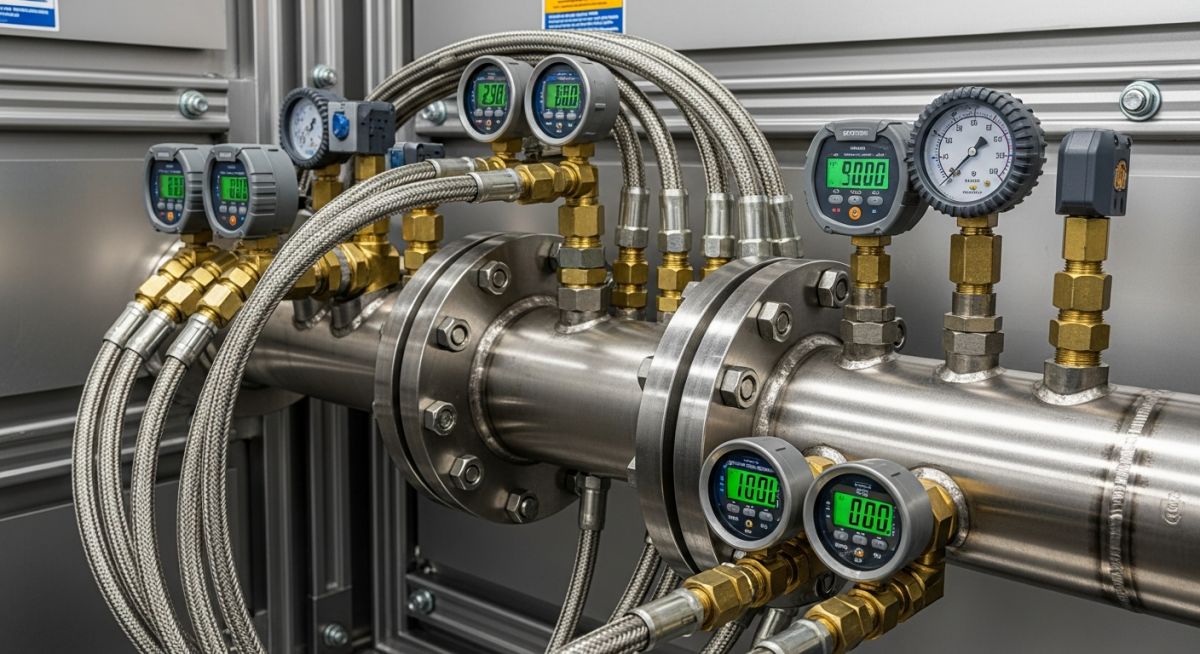
Learn the key differences between burst testing and hydrostatic testing, including their procedures, purposes, and industrial applications.
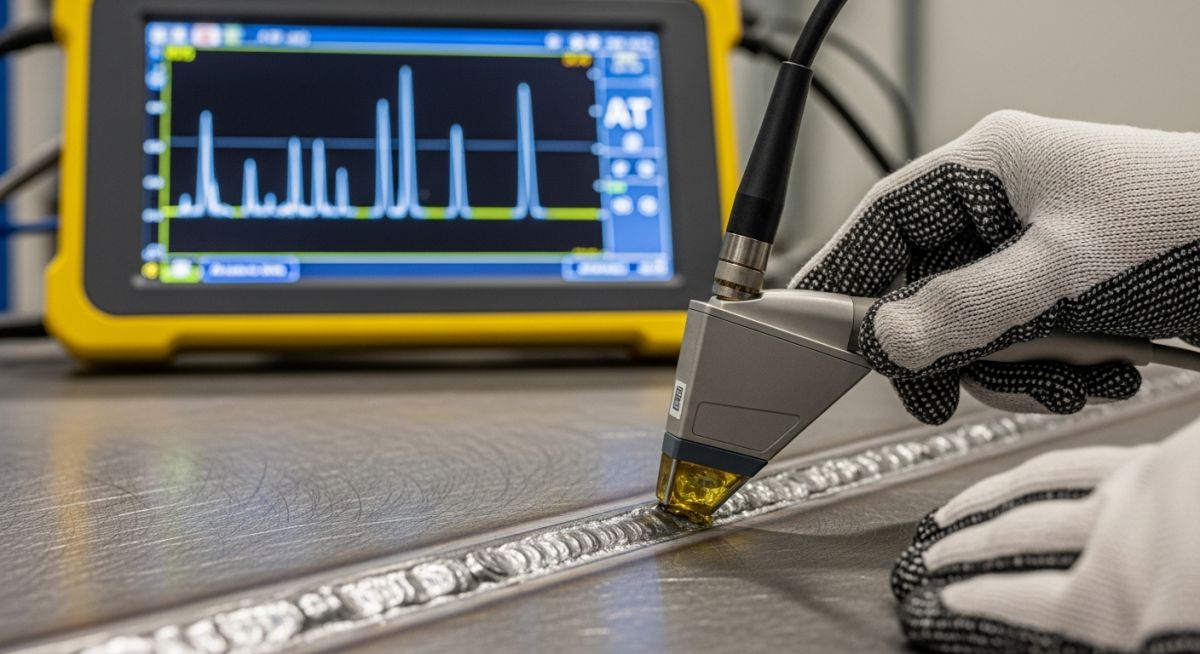
Learn the meaning of ultrasonic testing (UT) and how this non-destructive method is used to inspect welds for internal defects and ensure safety.

All about ASTM International Major Take-aways What is ASTM What does ASTM do? Basics behind

All about P,F,A Number Major Take-aways Understanding P,F,A Number Relevant Code clauses for P,F,A Number Basics

Major Take-aways on Intergranular Corrosion Understand Intergranular Corrosion How to Avoid intergranular Corrosion Testing standards