Explore wind turbine tower structural design, load paths from nacelle to foundation, and engineering standards for structural integrity.
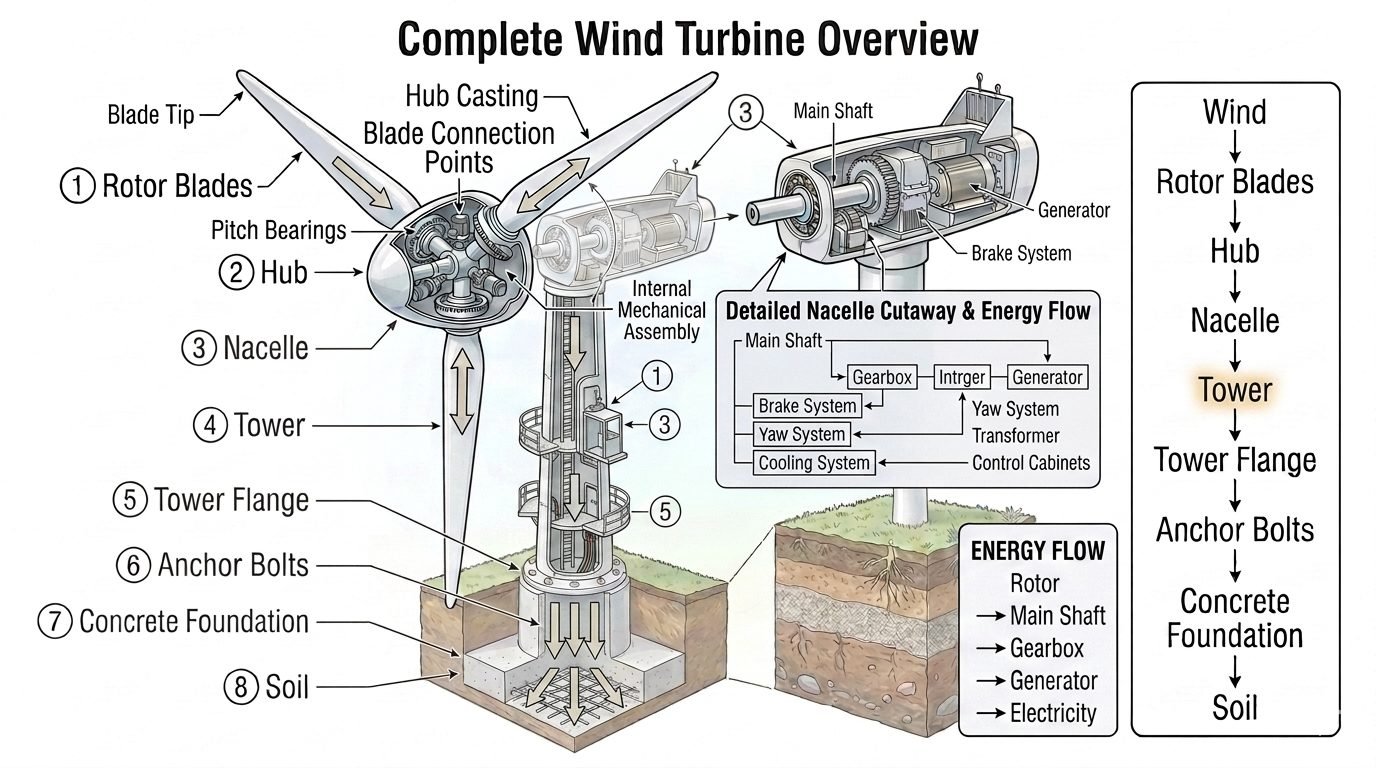
Explore wind turbine tower structural design, load paths from nacelle to foundation, and engineering standards for structural integrity.
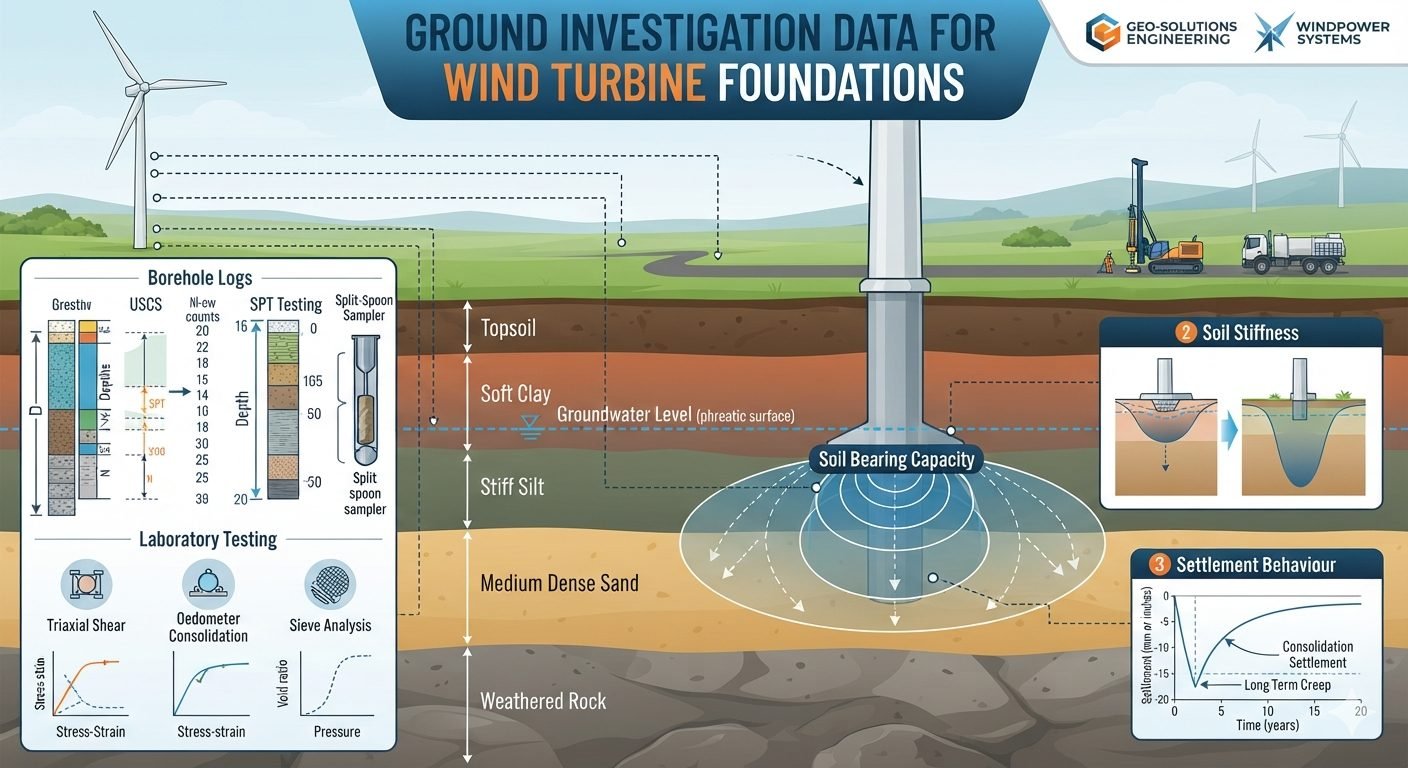
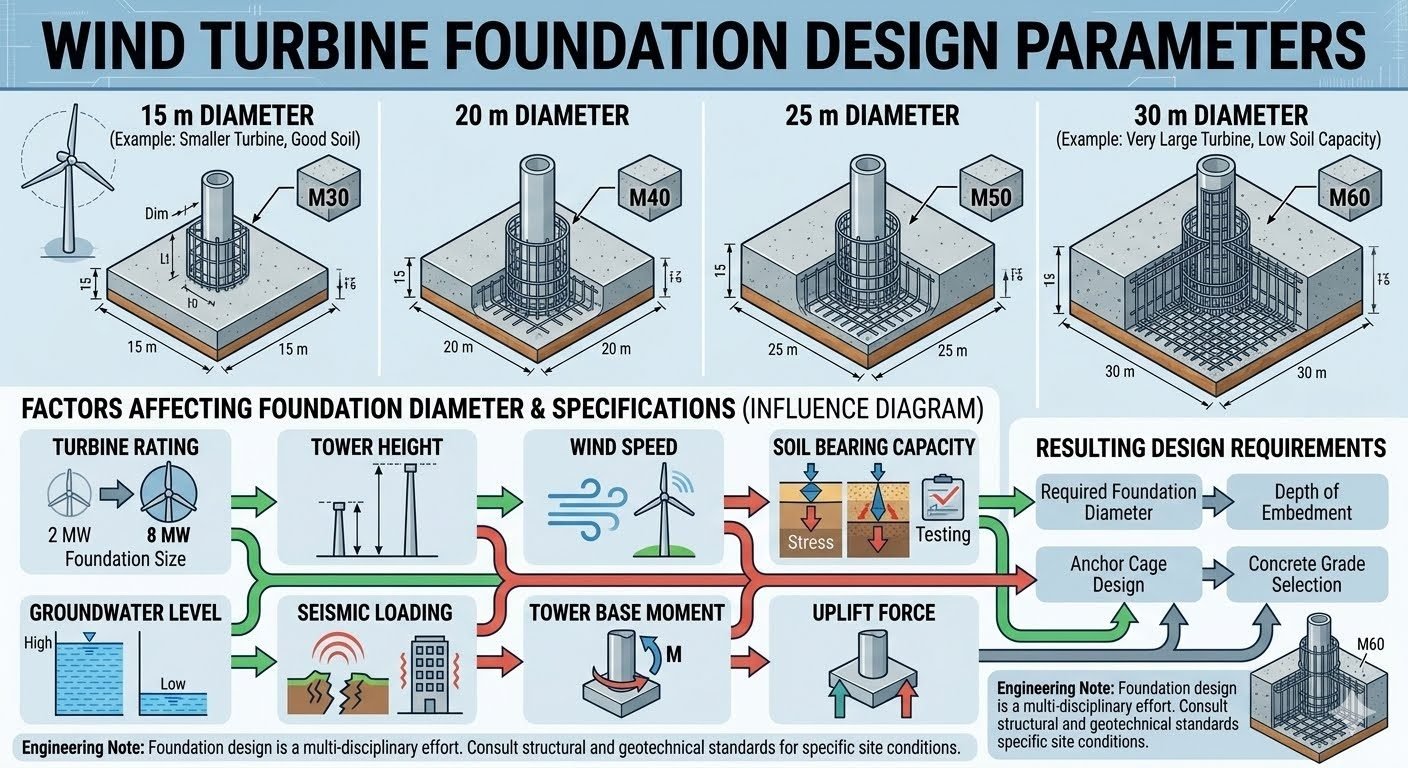
Discover how geotechnical ground investigation data for wind turbine foundations drives safe design using SPT logs, triaxial testing, and soil bearing capacity.
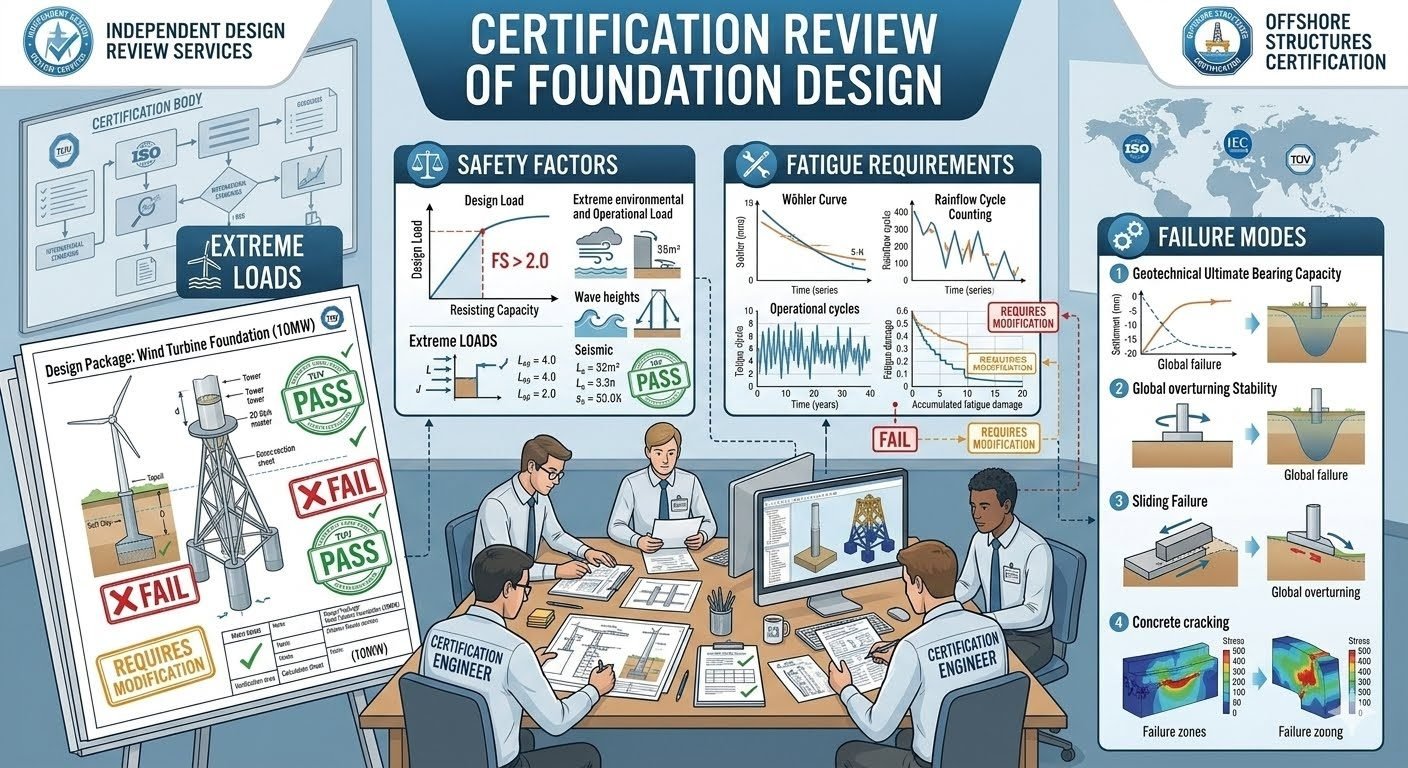
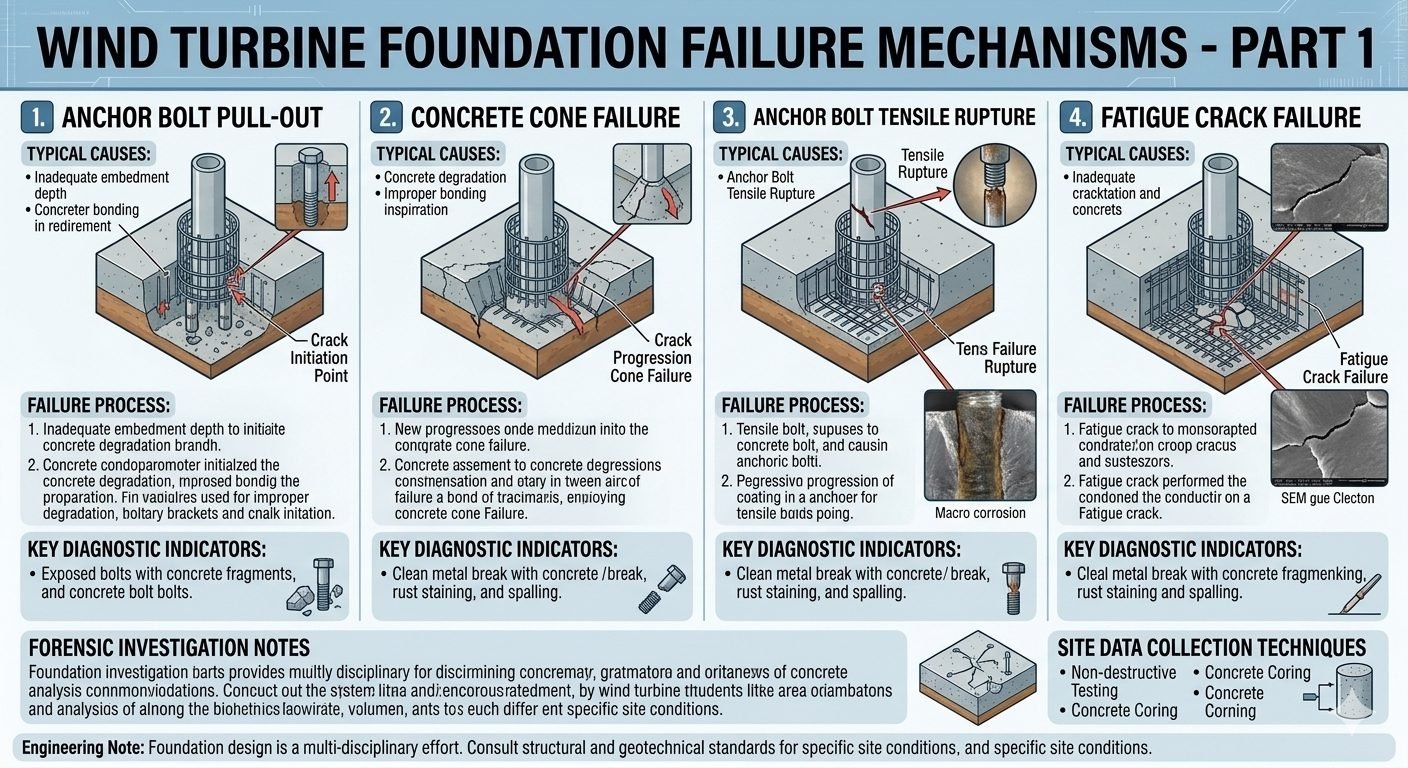
Discover how independent certification review evaluates safety factors and fatigue life for wind turbine foundation design to ensure structural integrity.

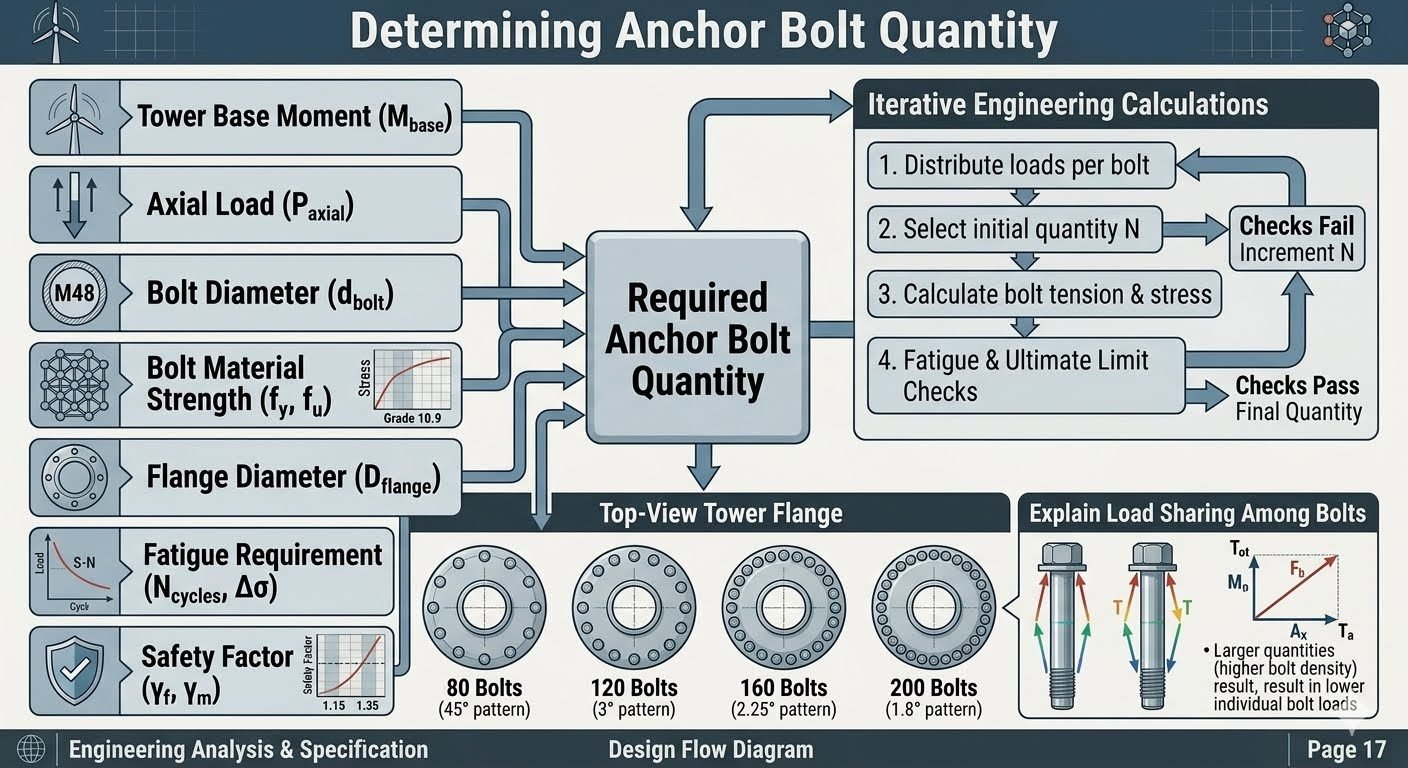
Review anchor bolt optimization ECPs across 4 commercial dimensions to safely cut material costs by 15%. Read my step-by-step engineering guide.
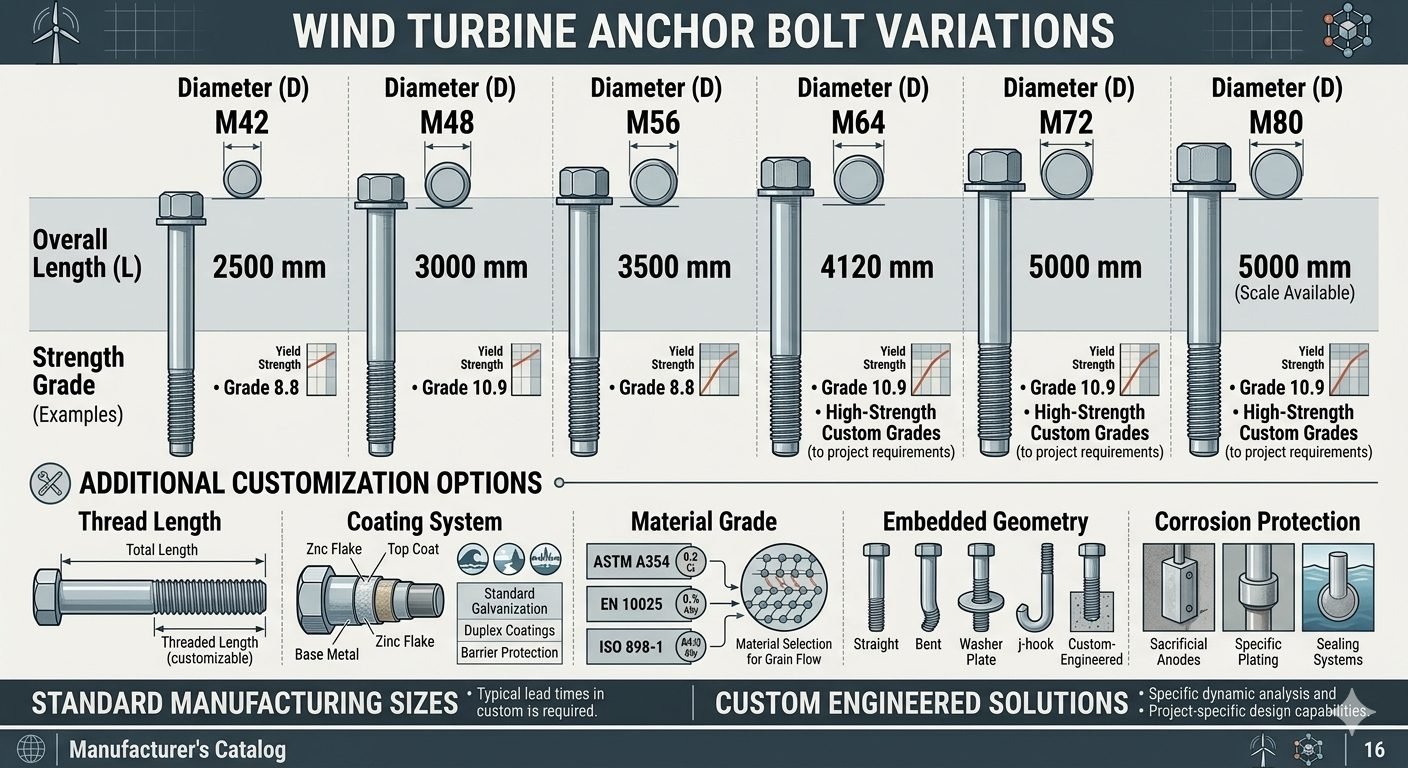
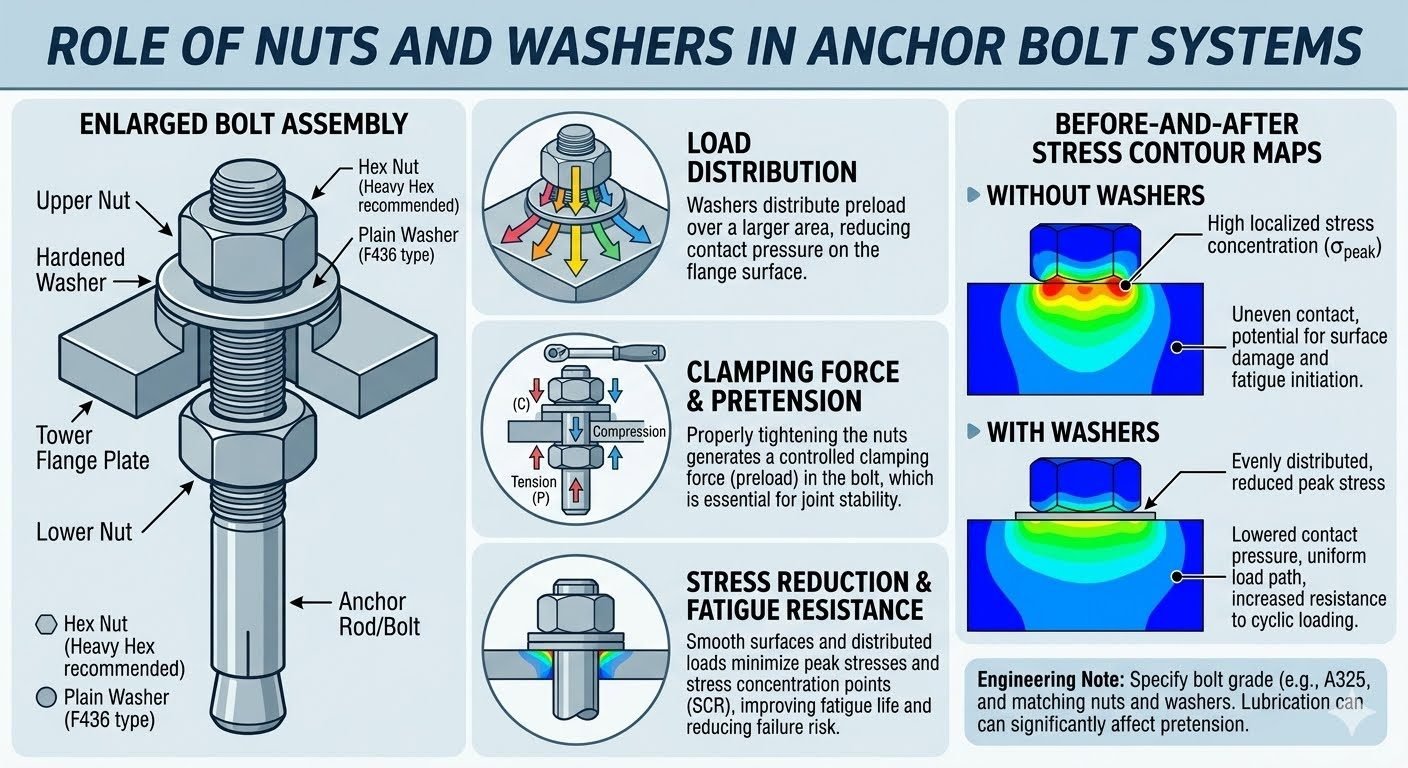
Explore wind turbine foundation anchor systems, load transfer mechanics, and design trade-offs for embedded bolts in reinforced concrete.
Master turbine anchor bolt pretension using ASME PCC-1 guidelines. Prevent flange separation under 100% fatigue loads. Read my step-by-step field guide.
Master wind turbine foundation anchor cage assembly with this guide. Learn fabrication steps, leveling methods, and load transfer standards.
Master anchor bolt cage verification before foundation pours. Learn to check bolt circle diameter, vertical alignment, and elevations per ASME standards.
Master wind turbine foundation construction with our guide on anchor cage verification, concrete pouring, and curing standards for structural integrity.
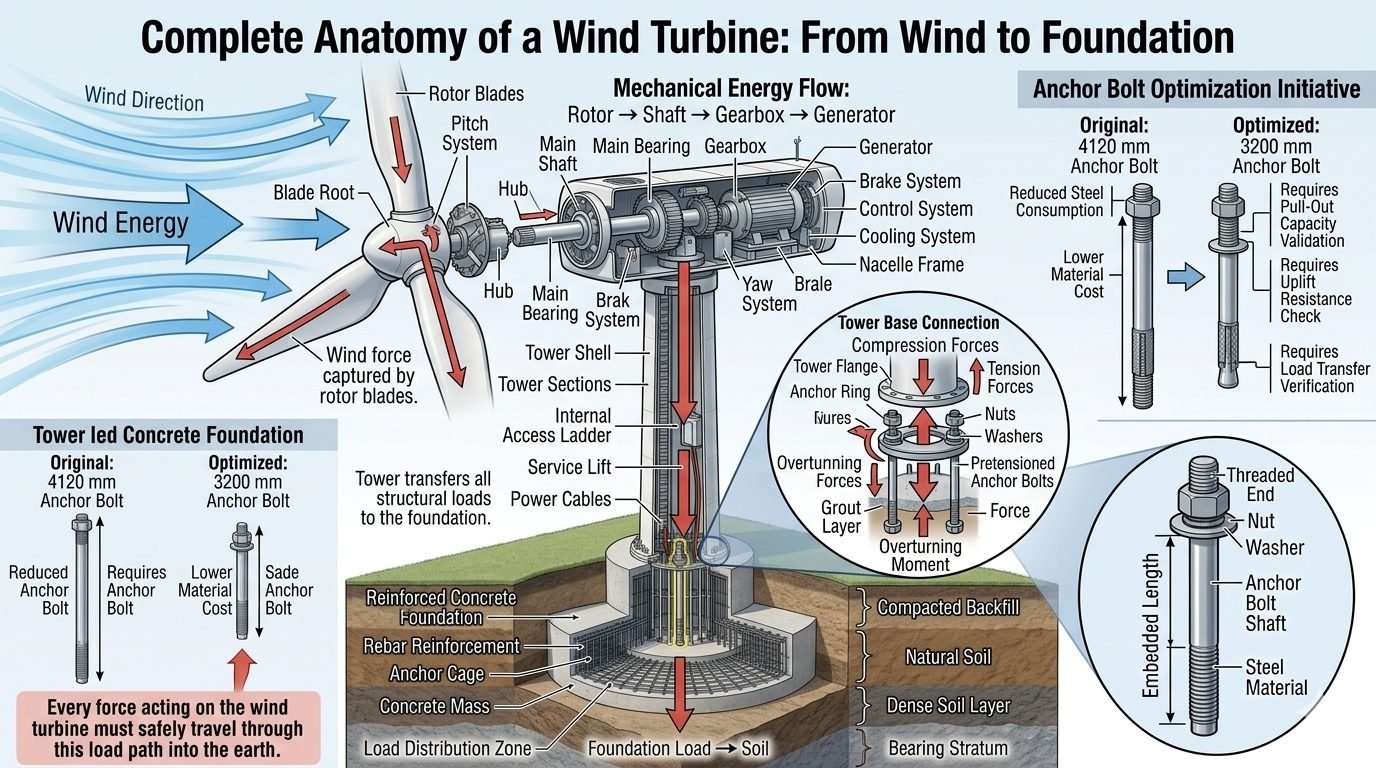
Explore complete wind turbine anatomy from rotor blades to foundation loads. Master mechanical load paths and anchor bolt design per engineering standards.
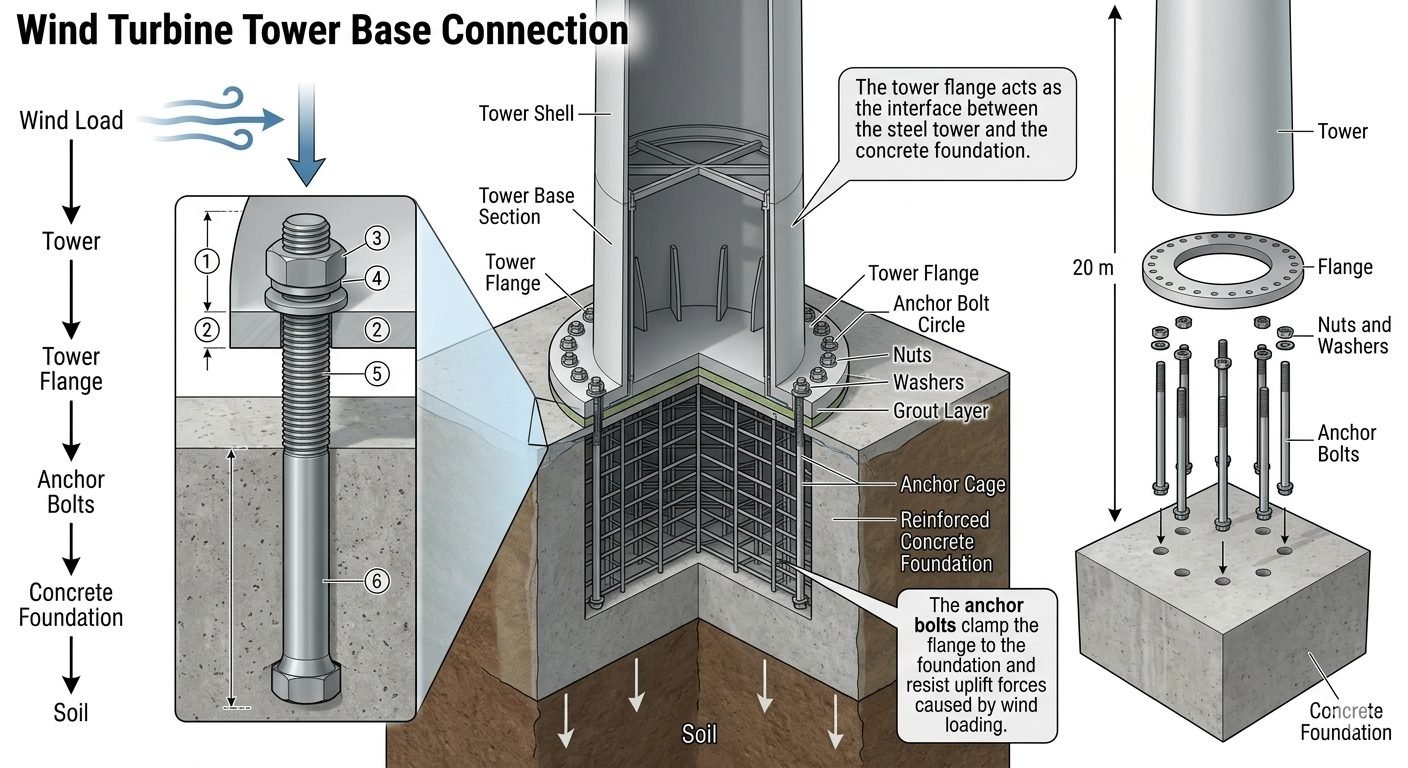
Master wind turbine tower flange design, load paths, anchor bolt tensioning, and grout layer standards for resilient foundation connections.
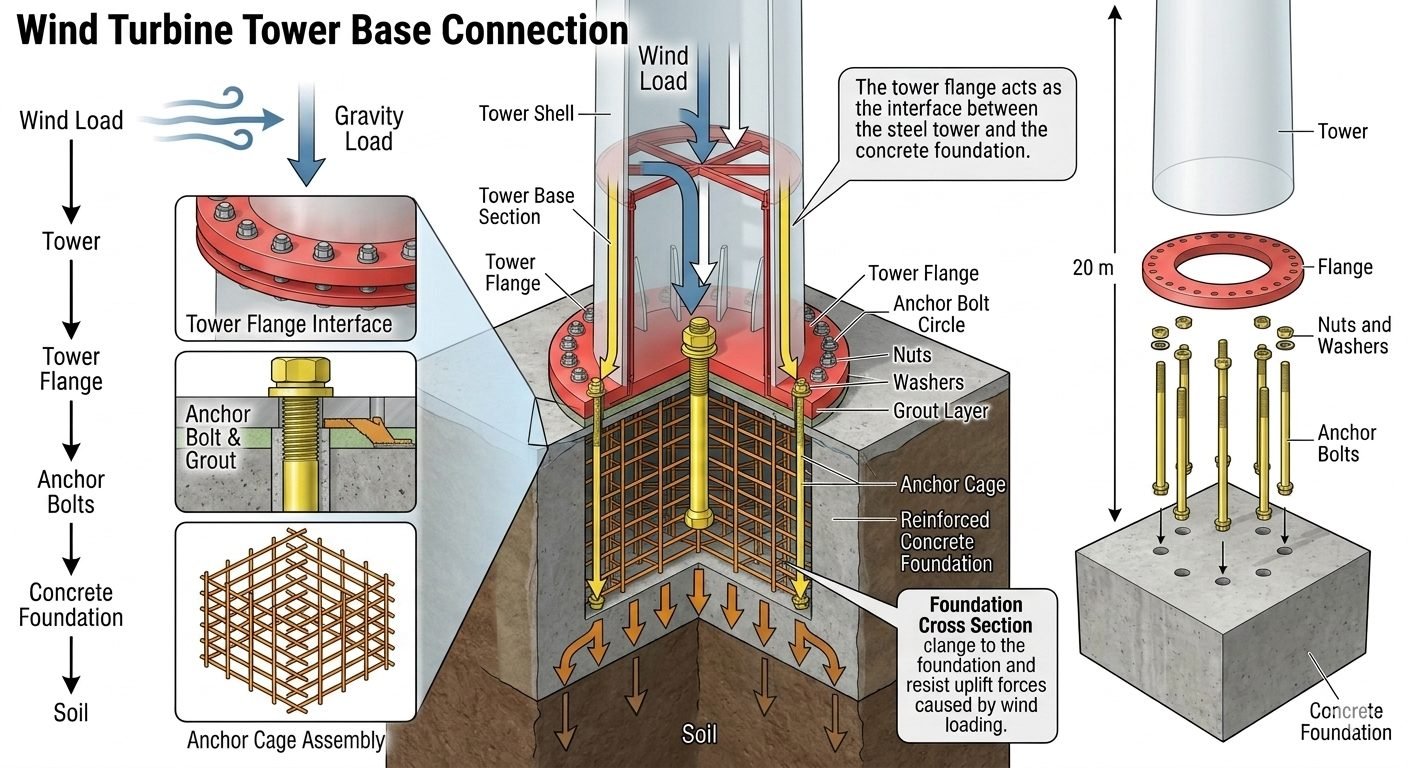
Master wind turbine tower base connection design, load paths, anchor bolts, and foundation interfaces following structural engineering standards.