Waste-to-Energy: Comprehensive Guide to the Gasification Process
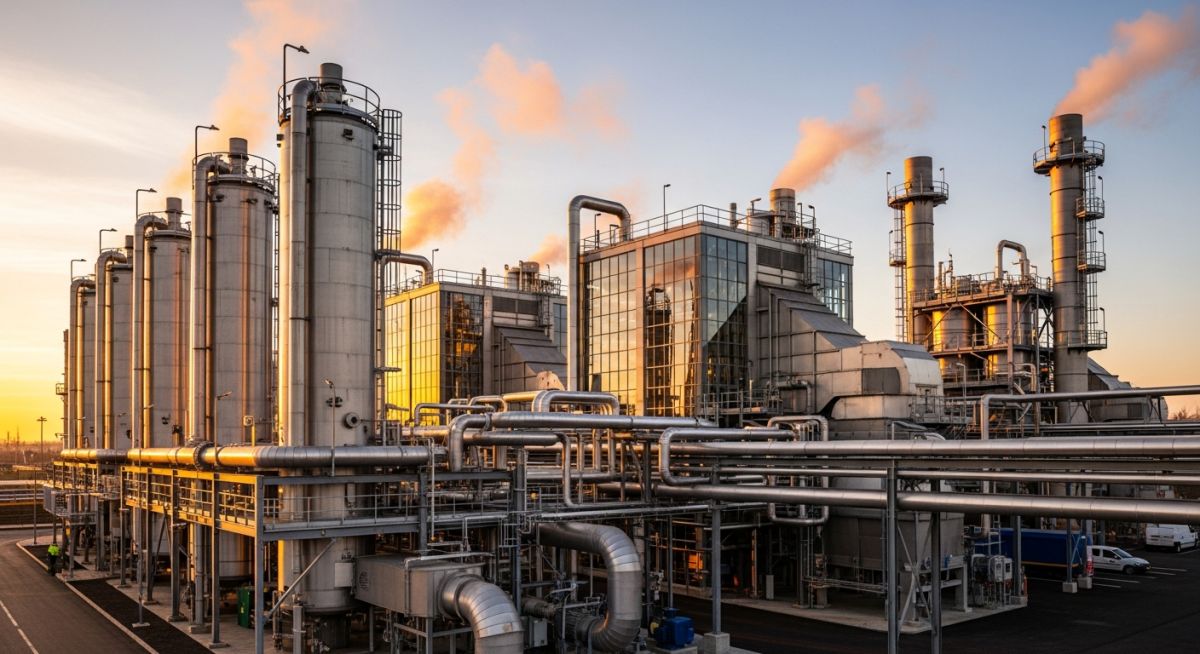
Imagine your facility is processing 500 tons of Municipal Solid Waste daily, but your downstream turbines are failing due to tar condensation. Why is your Gasification Process in Waste-to-Energy yielding inconsistent syngas quality despite stable furnace temperatures?
This is the reality for many plant managers transition from traditional incineration. In this guide, we bridge the gap between theoretical thermochemistry and field-proven engineering to help you dominate the waste-to-value market.
Key Learning Objectives
- Understanding the four critical thermochemical stages of the Gasification Process in Waste-to-Energy.
- Comparing Fixed-bed, Fluidized-bed, and Plasma reactor efficiencies for MSW.
- Advanced Syngas cleaning protocols to meet [ISO 14001](https://www.iso.org) standards and turbine specifications.
What is the Gasification Process in Waste-to-Energy?
The Gasification Process in Waste-to-Energy is a thermochemical conversion that breaks down carbonaceous waste (MSW) into Syngas (H2, CO, CH4) by reacting the feedstock at high temperatures (>700°C) with a controlled amount of oxygen or steam. Unlike incineration, it prevents direct combustion, allowing for higher energy recovery and lower emissions.
“The biggest mistake I see in EPC projects is treating the gasifier as a ‘black box.’ To master the Gasification Process in Waste-to-Energy, you must focus on the equivalence ratio and moisture control before the waste even enters the primary chamber.”
— Atul Singla, Founder of [Epcland](https://epcland.com)
Engineering Knowledge Check
Gasification Process in Waste-to-Energy Mastery
Question 1 of 5
What is the primary difference between the Gasification Process in Waste-to-Energy and traditional Incineration?
The Evolution of Waste-to-Energy and the Gasification Process
The Gasification Process in Waste-to-Energy represents the pinnacle of thermochemical waste management, evolving from simple mass-burn incineration systems used in the late 20th century. Historically, waste was viewed as a nuisance to be eliminated; today, it is treated as a complex chemical feedstock. The shift toward gasification was driven by the need for higher electrical efficiency and the stringent emission limits set by the [EPA’s Clean Air Act](https://www.epa.gov). While incineration focuses on heat recovery through steam cycles, the Gasification Process in Waste-to-Energy enables the production of syngas, which can be utilized in high-efficiency gas turbines, reciprocating engines, or even as a precursor for chemical synthesis.
What is the Gasification Process in Waste-to-Energy?
At its core, the Gasification Process in Waste-to-Energy is the partial oxidation of carbonaceous materials. Unlike combustion, which occurs in an oxygen-rich environment, gasification takes place in a sub-stoichiometric environment. This means the amount of oxygen available is significantly less (typically 20% to 30%) than what is required for complete combustion.
The result of this controlled environment is a chemical breakdown of the Municipal Solid Waste (MSW) into its constituent molecules. Instead of producing carbon dioxide and water vapor immediately, the Gasification Process in Waste-to-Energy yields a combustible "Synthesis Gas" or Syngas. This process operates at extreme temperatures, typically ranging from 700°C to over 1,500°C in plasma applications, ensuring that complex organic chains are shattered into simpler, energy-dense gases.

Thermochemical Stages of the Gasification Process
To master the Gasification Process in Waste-to-Energy, an engineer must understand the four distinct zones within the reactor. Although these stages often overlap in modern fluidized beds, they follow a logical chemical progression:
1. Drying (Evaporation)
At temperatures between 100°C and 200°C, the moisture content within the MSW is driven off. In the Gasification Process in Waste-to-Energy, excessive moisture is the enemy of efficiency, as it consumes sensible heat that would otherwise drive chemical reactions.
2. Pyrolysis (Devolatilization)
As temperatures rise to 300°C–700°C in the absence of oxygen, the waste undergoes thermal decomposition. This stage of the Gasification Process in Waste-to-Energy releases volatile gases (methane, CO, H2) and leaves behind a solid carbonaceous residue known as char.
3. Oxidation (Combustion)
A limited amount of oxygen is introduced to react with the char and volatiles. This is a highly exothermic stage of the Gasification Process in Waste-to-Energy, providing the necessary thermal energy to sustain the other endothermic reactions. C + O2 → CO2 (+ Heat).
4. Reduction (Gasification)
In the final stage, CO2 and steam react with the remaining hot char to produce Hydrogen and Carbon Monoxide. This is where the Gasification Process in Waste-to-Energy truly creates its value: C + CO2 → 2CO and C + H2O → CO + H2.
Engineering the Gasification Process: Reactor Design
The heart of any facility is the gasifier vessel. Choosing the right reactor for the Gasification Process in Waste-to-Energy depends heavily on the feedstock's physical properties. Fixed-bed reactors (Updraft/Downdraft) are often used for uniform biomass, but for the heterogeneous nature of MSW, Fluidized Bed reactors are the industry gold standard. They utilize a bed of inert material (like sand) to ensure uniform heat distribution and high carbon conversion rates. Advanced facilities may even utilize Plasma Arc technology, where ionized gas reaches temperatures of 5,000°C, completely vitrifying inorganic waste into a safe, glass-like slag.
The Evolution of Waste-to-Energy and the Gasification Process
The Gasification Process in Waste-to-Energy represents the pinnacle of thermochemical waste management, evolving from simple mass-burn incineration systems used in the late 20th century. Historically, waste was viewed as a nuisance to be eliminated; today, it is treated as a complex chemical feedstock. The shift toward gasification was driven by the need for higher electrical efficiency and the stringent emission limits set by global environmental agencies. While incineration focuses on heat recovery through steam cycles, the Gasification Process in Waste-to-Energy enables the production of syngas, which can be utilized in high-efficiency gas turbines, reciprocating engines, or even as a precursor for hydrogen production.
What is the Gasification Process in Waste-to-Energy?
At its core, the Gasification Process in Waste-to-Energy is the partial oxidation of carbonaceous materials. Unlike combustion, which occurs in an oxygen-rich environment, gasification takes place in a sub-stoichiometric environment. This means the amount of oxygen available is significantly less (typically 20% to 30%) than what is required for complete combustion.
The result of this controlled environment is a chemical breakdown of the Municipal Solid Waste (MSW) into its constituent molecules. Instead of producing carbon dioxide and water vapor immediately, the Gasification Process in Waste-to-Energy yields a combustible "Synthesis Gas" or Syngas. This process operates at extreme temperatures, typically ranging from 700°C to over 1,500°C in plasma applications, ensuring that complex organic chains are shattered into simpler, energy-dense gases.
Thermochemical Stages of the Gasification Process
To master the Gasification Process in Waste-to-Energy, an engineer must understand the four distinct zones within the reactor. Although these stages often overlap in modern fluidized beds, they follow a logical chemical progression:
1. Drying (Evaporation)
At temperatures between 100°C and 200°C, the moisture content within the MSW is driven off. In the Gasification Process in Waste-to-Energy, excessive moisture is the enemy of efficiency, as it consumes sensible heat that would otherwise drive chemical reactions.
2. Pyrolysis (Devolatilization)
As temperatures rise to 300°C–700°C in the absence of oxygen, the waste undergoes thermal decomposition. This stage of the Gasification Process in Waste-to-Energy releases volatile gases (methane, CO, H2) and leaves behind a solid carbonaceous residue known as char.
3. Oxidation (Combustion)
A limited amount of oxygen is introduced to react with the char and volatiles. This is a highly exothermic stage of the Gasification Process in Waste-to-Energy, providing the necessary thermal energy to sustain the other endothermic reactions. C + O2 → CO2 (+ Heat).
4. Reduction (Gasification)
In the final stage, CO2 and steam react with the remaining hot char to produce Hydrogen and Carbon Monoxide. This is where the Gasification Process in Waste-to-Energy truly creates its value: C + CO2 → 2CO and C + H2O → CO + H2.
Engineering the Gasification Process: Reactor Design
The heart of any facility is the gasifier vessel. Choosing the right reactor for the Gasification Process in Waste-to-Energy depends heavily on the feedstock's physical properties. Fixed-bed reactors (Updraft/Downdraft) are often used for uniform biomass, but for the heterogeneous nature of MSW, Fluidized Bed reactors are the industry gold standard. They utilize a bed of inert material (like sand) to ensure uniform heat distribution and high carbon conversion rates. Advanced facilities may even utilize Plasma Arc technology, where ionized gas reaches temperatures of 5,000°C, completely vitrifying inorganic waste into a safe, glass-like slag.
Challenges and Opportunities to Improve the Gasification Process
The primary hurdle in the Gasification Process in Waste-to-Energy is the management of complex feedstock variability. Unlike coal gasification, Municipal Solid Waste (MSW) fluctuates daily in moisture content and caloric value. This variability often leads to "cold spots" in the reactor, encouraging the formation of long-chain hydrocarbons, or tars. However, these challenges present engineering opportunities: the integration of Artificial Intelligence (AI) for real-time feed control and the use of plasma-assisted polishing are significantly increasing uptime. By utilizing high-nickel catalysts, plants are now successfully converting 99% of these tars back into usable syngas.
Syngas Composition within the Gasification Process
The output of the Gasification Process in Waste-to-Energy is a synthesis gas primarily composed of Carbon Monoxide (CO), Hydrogen (H2), and Methane (CH4). The specific ratio of these gases determines the Syngas's Lower Heating Value (LHV). For instance, steam-blown gasification yields a higher H2 content (up to 40%), making it ideal for sustainable aviation fuel (SAF) production, whereas air-blown systems produce a nitrogen-diluted gas better suited for direct boiler combustion.
Advanced Cleaning of Syngas in the Gasification Process
Raw syngas is a "dirty" fuel. To protect downstream equipment, the Gasification Process in Waste-to-Energy employs a rigorous multi-stage cleaning regimen. Particulates are captured via [Cyclonic Separators](https://www.sciencedirect.com) or ceramic candle filters, while acid gases like HCl and H2S are neutralized in alkaline scrubbers. This cleaning phase is critical; even trace amounts of sulfur (above 1 ppm) can permanently deactivate the catalysts used in modern methanol synthesis.
Engineering Standards for the Gasification Process
Mechanical integrity in the Gasification Process in Waste-to-Energy is governed by strict international codes. Due to the high-temperature and corrosive nature of syngas, piping systems must comply with [ASME B31.3: Process Piping](https://epcland.com).
Critical Engineering Checklist:
- ● ASME Section VIII: Design and fabrication of the gasifier pressure vessel.
- ● API 570: Piping inspection protocols for syngas transport lines.
- ● ISO 13623: Standards for pipeline transportation systems in energy.
Reactor Performance Comparison
| Reactor Type | Typical Feedstock | Syngas Quality (LHV) |
|---|---|---|
| Updraft Fixed Bed | High-moisture Biomass | High (5-6 MJ/Nm3) |
| Fluidized Bed | MSW / RDF | Medium (4-5 MJ/Nm3) |
| Plasma Arc | Hazardous / Medical Waste | High (6+ MJ/Nm3) |
Syngas Yield Estimator
Estimate the theoretical Syngas energy potential from the Gasification Process in Waste-to-Energy. Enter your MSW feed rate and Lower Heating Value (LHV) to calculate the thermal output.
Thermal Energy Output
0 MWth
Estimated Syngas Yield
0 Nm3/hr
*Results are based on standard temperature and pressure (STP) conditions. Actual yield depends on equivalence ratio and reactor design.
Don't miss this video related to Gasification Process
Summary: Master Piping Engineering with our complete 125+ hour Certification Course: ......
Gasification Process in Waste-to-Energy Failure Case Study
The Scenario
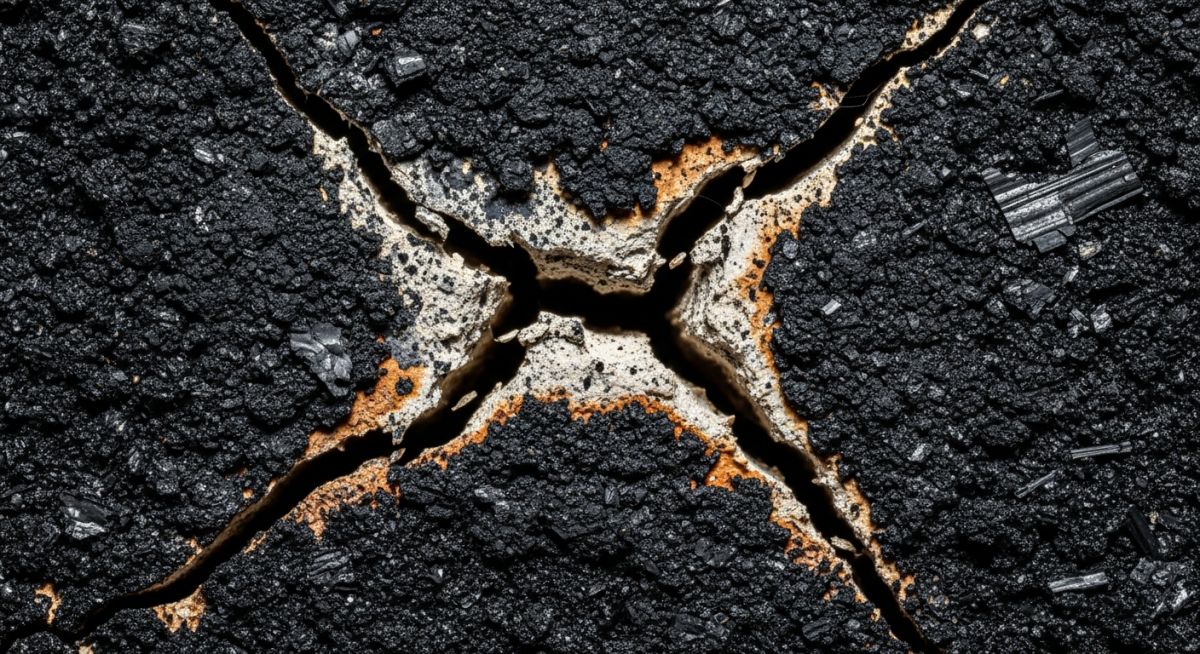
A mid-sized facility utilizing a fluidized-bed Gasification Process in Waste-to-Energy reported a 40% drop in syngas calorific value and frequent unscheduled shutdowns. Technical audits revealed severe Refractory Degradation and "clinkering" within the primary reactor vessel.
Root Cause Analysis
Investigation showed the MSW feedstock contained unexpected concentrations of alkali metals (potassium and sodium) from improperly sorted green waste. These metals reacted with the silica-based refractory lining at 950°C, creating a low-melting-point eutectic that led to slagging and gas bypass.
Engineering Resolution & Results
- Material Upgrade: Replaced standard alumina-silica bricks with high-chrome refractory to resist alkali attack.
- Feedstock Control: Implemented an automated NIR (Near-Infrared) sorting system to reduce green waste moisture and alkali content.
- Thermal Optimization: Adjusted the equivalence ratio to maintain temperatures below the ash fusion point (850°C).
Outcome: System availability increased from 65% to 92% with a stabilized Syngas LHV of 5.2 MJ/Nm3.
Expert Insights: Lessons from 20 years in the field
- 1. Feedstock is King: 80% of failures in the Gasification Process in Waste-to-Energy stem from poor pre-processing. Invest in shredding and drying before the reactor.
- 2. Tar is the Enemy: Always design your syngas cleaning for the worst-case tar load, not the average. Cold-gas cleaning is cheaper but risky for high-efficiency turbines.
- 3. Redundancy Matters: Critical sensors (O2 analyzers and thermocouples) should have triple-modular redundancy (TMR) to prevent catastrophic oxygen breakthrough.
- 4. Standard Compliance: Never compromise on [ASME B31.3](https://epcland.com) for syngas lines; the toxicity of CO makes leak prevention life-critical.