Refinery vs Petrochemical Plant: Engineering the Integration
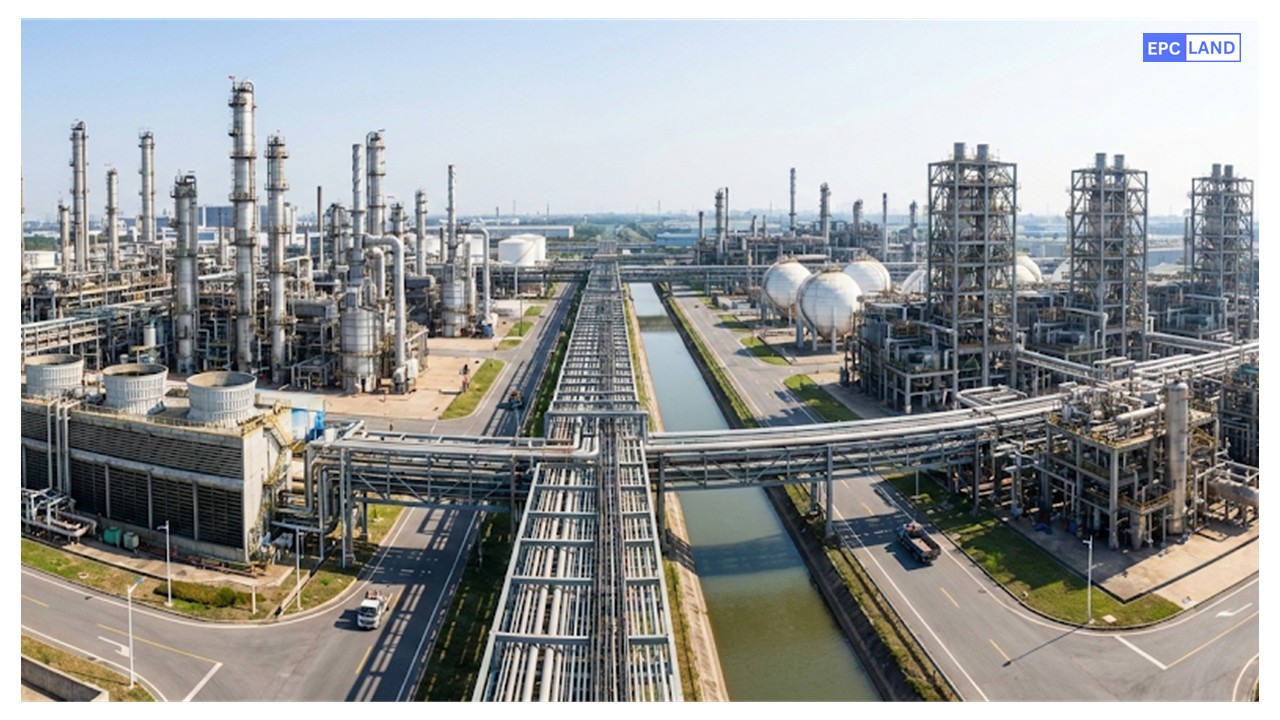
The distinction between a Refinery vs Petrochemical Plant is the fundamental dividing line in the downstream energy sector. While a refinery is designed to separate crude oil into energy fuels (Gasoline, Diesel, Jet Fuel), a petrochemical plant is built to chemically transform those streams into molecular building blocks (Plastics, Solvents, Rubbers). However, in 2026, the industry is rapidly blurring these lines through **Refinery Petrochemical Integration**, aiming to bypass low-margin fuels in favor of high-value **Crude to Chemicals (COTC)** technologies.
What is the main difference?
Refineries are volume-driven facilities that separate crude oil by boiling point to produce transportation fuels. Petrochemical Plants are chemistry-driven facilities that break bonds (cracking) or add functional groups to produce polymers and intermediates. The physical link between them is typically Naphtha, a refinery product that serves as the primary feedstock for petrochemical steam crackers.
Quick Navigation
Test Your Knowledge
Question 1 of 51. What is the primary output of a standard Refinery?
Complete Course on
Piping Engineering
Check Now
Key Features
- 125+ Hours Content
- 500+ Recorded Lectures
- 20+ Years Exp.
- Lifetime Access
Coverage
- Codes & Standards
- Layouts & Design
- Material Eng.
- Stress Analysis
1. Fundamental Differences: Energy vs. Materials
The comparison of a Refinery vs Petrochemical Plant begins with their core mandate. A refinery is an energy processor; its thermodynamic objective is to separate the complex mixture of hydrocarbons in crude oil into combustible fuels with specific boiling ranges and octane/cetane numbers. The primary value drivers are the Crude Distillation Unit (CDU) and the Fluid Catalytic Cracker (FCC), which maximize the yield of gasoline and diesel.
In contrast, a petrochemical plant is a material synthesizer. It takes specific cuts from the refinery (like Naphtha or Propane) and subjects them to extreme thermal cracking or catalytic reforming to break chemical bonds. The goal is not combustion, but creation—producing monomers like Ethylene and Propylene that serve as the backbone for the Polymerization Process.
2. Refinery Petrochemical Integration
In 2026, standalone facilities are becoming obsolete. The industry standard is now Refinery Petrochemical Integration (RPI). By physically connecting the two plants, operators can exploit synergies that significantly lower operating costs (OPEX). For instance, hydrogen, a byproduct of the petrochemical **Aromatics Complex**, is a critical requirement for refinery Hydrotreaters. Conversely, refinery "off-gases" can be used as fuel for petrochemical furnaces.
The Integrated Flow Scheme
Engineers use a Process Block Flow Diagram to map these interconnections. The most critical "handshake" occurs where the refinery exports straight-run Naphtha directly to the steam cracker, bypassing storage and transport logistics.
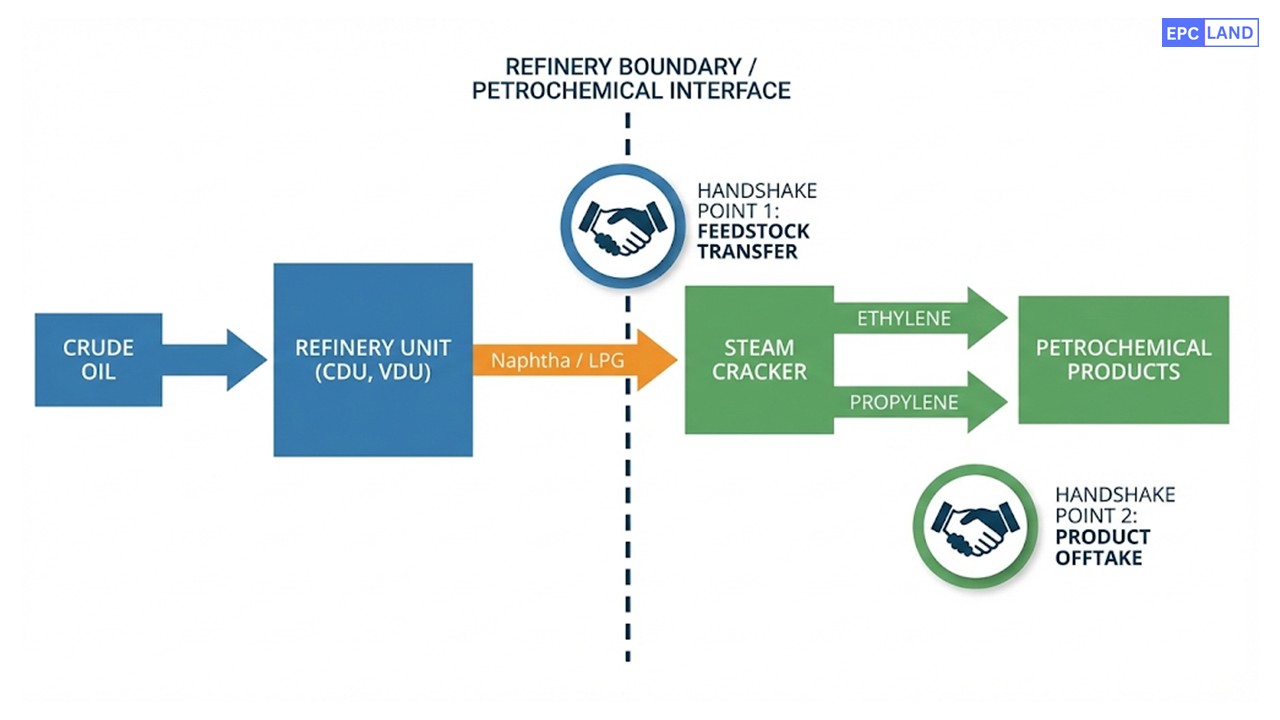
Figure 2: Simplified RPI Block Flow Diagram showing the Naphtha and Hydrogen loops.
The Bridge: Naphtha Steam Cracking
Naphtha Steam Cracking is the technological bridge that unites the two worlds. Naphtha, a light liquid fraction (boiling range 35°C–180°C) produced by the refinery's CDU, is often in surplus. Instead of selling it as a low-value commodity or blending it into gasoline, integrated sites feed it into a Steam Cracker. Here, it is converted into high-value Ethylene and Propylene.
The Future: Crude to Chemicals (COTC)
The ultimate evolution of this concept is Crude to Chemicals (COTC) technology. Traditional integrated sites convert about 10-20% of the crude barrel into petrochemicals. New COTC designs, however, aim for 40% to 80% conversion. This is achieved by reconfiguring the hydrocracker and FCC units to prioritize light olefins over transport fuels, effectively turning the refinery into a massive chemical precursor unit.
Technical Comparison Matrix
| Feature | Oil Refinery | Petrochemical Plant | Integrated Complex (RPI) |
|---|---|---|---|
| Primary Feedstock | Crude Oil | Naphtha, Ethane, Propane | Crude Oil (Internal Naphtha Transfer) |
| Core Process Physics | Distillation (Physical Separation) | Pyrolysis / Cracking (Chemical Reaction) | Combined Separation & Conversion |
| Main Output | Fuels (Diesel, Jet A1, Gasoline) | Polymers (PE, PP), Solvents | Diversified Mix (Swing Capacity) |
| Key Economic Metric | Gross Refining Margin (GRM) | Ethylene Cash Cost | Integrated Asset Margin |
Engineering Economics: The "Upgrade Value"
The decision to integrate is driven by the Value Uplift. This compares the revenue generated by selling Naphtha as a final product versus using it as a feedstock to produce Ethylene.
- Yield_Ethylene = Typical Naphtha cracker yield (~33%).
- Price_Ethylene = Market price of Ethylene (typically 2-3x higher than Naphtha).
- OPEX = Variable operating cost of the Steam Cracker (Energy + Utilities).
Note: If the Uplift is positive, the integrated complex maximizes profit by cracking the molecule rather than burning it in a car engine. This calculation drives the entire Fuel vs Chemical Value Chain strategy.
Case Study: Refinery vs Petrochemical Plant Economic Analysis Topic: The Integration Margin Uplift (Fuel vs Chemical Value Chain)
The strategic driver for modern facilities is the "Value Uplift." In this analysis, we examine a 300,000 BPD Refinery that was retrofitted with an integrated 1.5 MTPA Steam Cracker. The engineering challenge was to determine the optimal disposition of the Heavy Naphtha stream: should it be exported as a low-margin commodity, or processed internally to capture the higher value in the Petrochemical Plant?
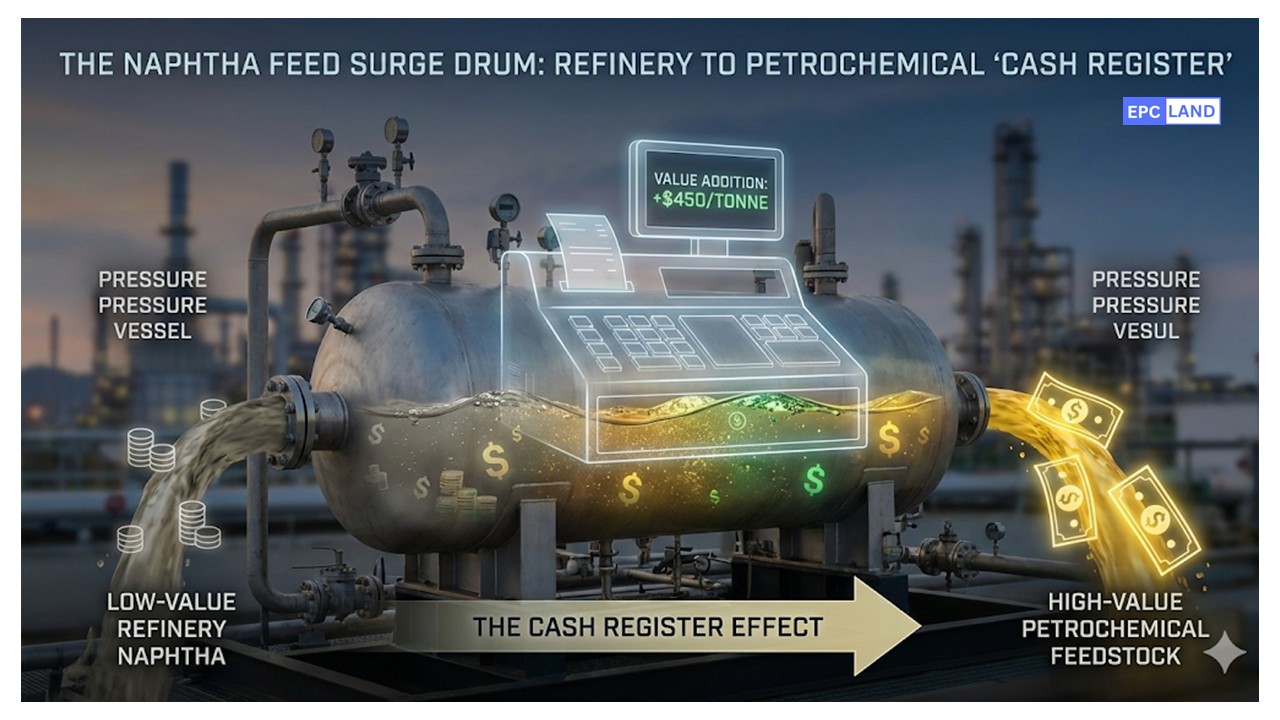
Figure 3: Naphtha Feed Surge Drum diverting flow from export storage to the Steam Cracker.
Facility Data
- Type: Brownfield Integration Project
- Refinery Capacity: 300,000 BPD
- Cracker Capacity: 1.5 Million Tonnes/Year
Market Scenarios
- Naphtha Export Price: $650 / Ton
- Ethylene Market Price: $1,100 / Ton
- Polypropylene Price: $1,350 / Ton
The "Value Chain" Analysis
As a standalone entity, the refinery produced 20,000 barrels per day of Heavy Naphtha. Historically, this was exported. However, the volatility of the global Naphtha market often eroded margins, sometimes pushing the "Crack Spread" into negative territory.
By implementing Refinery Petrochemical Integration, the site could pivot. Instead of selling the liquid Naphtha, it serves as the feedstock for the onsite Steam Cracker. The engineering team had to model the Fuel vs Chemical Value Chain to justify the CAPEX of the new interconnection piping and storage buffers.
Operational Strategy
The solution involved a dynamic "Swing Mode" operation controlled by the Linear Programming (LP) Model:
- Base Load: 80% of the Naphtha is hard-piped to the Steam Cracker to ensure stable operation of the furnaces.
- Economic Optimization: The remaining 20% is evaluated daily. If the Ethylene-Naphtha Spread exceeds $350/ton, the surplus is cracked. If the spread narrows (due to a spike in Naphtha prices or a drop in plastics demand), the surplus is diverted to the gasoline blending pool or export.
- Synergy Utilization: The Hydrogen produced in the cracker's backend (from the Demethanizer) is purified and sent back to the refinery's Diesel Hydrotreater, saving the cost of running a dedicated Steam Methane Reformer (SMR).
Financial & Technical Results
The integration successfully unlocked the "Molecule Value":
- Margin Uplift: The site realized an average additional profit of $145 per ton of Naphtha processed compared to the export baseline.
- OPEX Reduction: Shared utilities (steam, power, and water) between the Refinery vs Petrochemical Plant reduced total site energy costs by 12%.
- Resilience: The diversified product portfolio (Fuels + Plastics) smoothed out the cyclical downturns typical of a pure-play refinery.
EPCLand YouTube Channel
2,500+ Videos • Daily Updates
Frequently Asked Questions (FAQ)
What are the benefits of Refinery Petrochemical Integration?
How does Crude to Chemicals (COTC) technology differ from traditional refining?
What is the function of the Aromatics Complex in this ecosystem?
Why is Naphtha Steam Cracking considered the "bridge"?
Final Thoughts: The End of "Vs"
The debate of Refinery vs Petrochemical Plant is rapidly evolving into a discussion of synergy. As we move through 2026, the clear trend is the dissolution of the boundary fence. The most profitable facilities are no longer those that specialize in just fuel or just chemicals, but those that master the Process Block Flow Diagram of integration.
For the EPC engineer or process designer, the future lies in **Crude to Chemicals (COTC)** projects. Understanding how to balance the **Fuel vs Chemical Value Chain**—shifting molecules from the gas tank to the polymer reactor—will be the defining skill set of the next decade.
