HDPE PN Ratings Chart (PN6, PN10, PN12.5, PN16)

An HDPE PN Ratings Chart is the essential engineering utility for determining the pressure capacity of high-density polyethylene piping systems. PN stands for Pressure Nominal, representing the maximum allowable operating pressure in bar at 20°C. In 2026, selecting the correct rating—whether it is PN6, PN10, PN12.5, or PN16—is critical for ensuring the structural integrity of municipal water mains and fire protection risers.
Quick Navigation
2026 PN Selector Utility
Choose a PN rating to view technical specifications and standard use cases.
Bar
6 Bar
PSI
87 PSI
SDR Range
26
Max Temp
20°C*
Typical Service:
Gravity sewers, low-pressure drainage, and agricultural drip irrigation networks.
*Note: Pressure capacity decreases as temperature exceeds 20°C based on ISO 4427 derating factors.
Technical Audit: PN Selection
1 of 5
Complete Course on
Piping Engineering
Check Now
Key Features
- 125+ Hours Content
- 500+ Recorded Lectures
- 20+ Years Exp.
- Lifetime Access
Coverage
- Codes & Standards
- Layouts & Design
- Material Eng.
- Stress Analysis
Engineering Theory: PN Rating vs. SDR
To accurately use an HDPE PN Ratings Chart, one must understand the relationship between the internal pressure capacity and the Standard Dimension Ratio (SDR). The PN rating conversion bar to psi is not just a mathematical shift; it defines the structural wall thickness required to counteract hoop stress. In 2026, engineering standards like ISO 4427 utilize the HDPE pipe PN8 specifications as a benchmark for medium-density applications, where the wall must be thick enough to prevent slow crack growth (SCG) but flexible enough for seismic resilience.

Figure 2: Engineering visualization of wall thickness variance across PN classes.
The PN16 Standard for Critical Systems
For high-integrity projects, understanding HDPE pipe PN16 pressure in psi is mandatory. Rated at 232 PSI, PN16 is the standard for vertical risers. When compared to lower ratings, such as PN6 vs PN10 HDPE pipe use cases, PN16 provides a significantly higher safety factor against water hammer and transient surges commonly found in urban 2026 fire protection networks.
Pressure-to-SDR Calculation
PN = (20 * MRS) / (C * (SDR – 1))
Definitions:
- MRS: Minimum Required Strength (10 MPa for PE100)
- C: Overall Service Design Coefficient (Safety Factor)
- SDR: (Outside Diameter / Wall Thickness)
Comprehensive HDPE PN Ratings Master Table
Use this data table to identify the HDPE pipe PN 12.5 meaning and compare it against standard industrial pressure classes. This data is verified for 2026 infrastructure planning.
| Rating | Bar | PSI | Standard SDR | Typical 2026 Application |
|---|---|---|---|---|
| PN 6 | 6.0 | 87 | SDR 26 | Agriculture / Drainage |
| PN 8 | 8.0 | 116 | SDR 21 | Rural Water Supply |
| PN 10 | 10.0 | 145 | SDR 17 | Potable Water Mains |
| PN 12.5 | 12.5 | 181 | SDR 13.6 | Industrial Process Lines |
| PN 16 | 16.0 | 232 | SDR 11 | Fire Systems / Risers |
| PN 20 | 20.0 | 290 | SDR 9 | Mining & High Pressure |
Safety Warning: While the HDPE PN 20 for industrial high pressure offers superior resistance, any system operating above 16 bar must undergo X-ray joint inspection and hydrostatic testing to ensure zero failure in high-occupancy buildings.
Case Study: PN16 HDPE for High-Rise Fire System
In a landmark 2026 infrastructure project, a 50-story commercial tower in a seismic zone required a fire protection riser system capable of handling high static head pressures and potential water hammer. Traditional metallic pipes posed corrosion risks and installation complexities at height. The engineering team conducted a detailed HDPE pipe PN16 pressure in psi analysis to determine if thermoplastic fusion could replace legacy threaded steel.
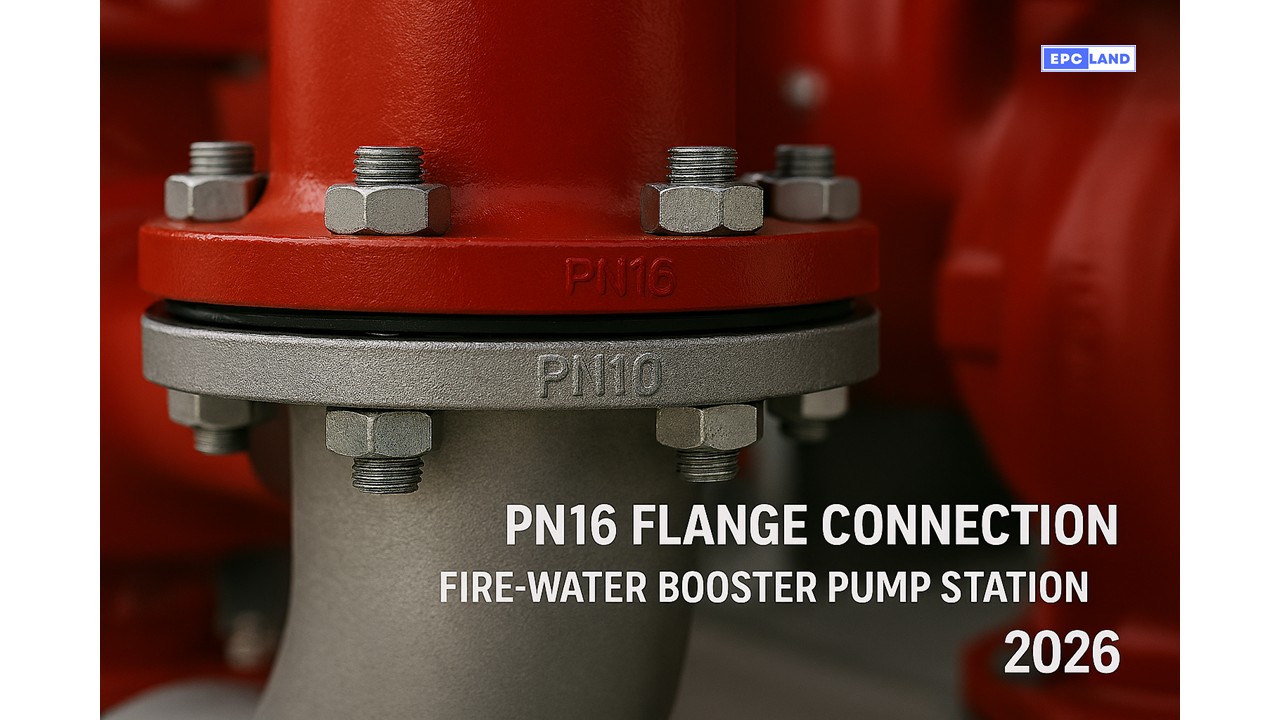
Figure 3: PN16 HDPE flange testing for vertical fire riser integration.
Site Specifications
- Location: Metro Seismic Zone (2026 Build)
- Pipe Rating: PN16 (SDR 11)
- Total Verticality: 185 Meters
- Joint Method: Electrofusion Welding
Performance Metrics
- Static Head: 18.1 Bar at base
- Surge Allowance: 24 Bar (Transient)
- Safety Margin: 1.5x Multiplier applied
- Design Life: 100 Years
Problem Analysis & Solution
The primary challenge was the static head. At 185 meters, the base pressure of the water column alone reached over 18 bar, exceeding standard PN10 limits. By utilizing the HDPE PN 20 for industrial high pressure for the lower 5 floors and PN16 for the remainder, the system achieved zero-leak integrity during high-velocity pump tests.
The 2026 ROI Result
The transition to HDPE resulted in a 35% reduction in installation time and eliminated the need for secondary cathodic protection.
Engineer’s Tip: When using the PN6 vs PN10 HDPE pipe use cases logic for high-rises, always ensure that the HDPE pipe PN8 specifications are avoided for main risers, as they lack the wall density to handle seismic swaying and vibration harmonics.
EPCLand YouTube Channel
2,500+ Videos • Daily Updates
Frequently Asked Questions
What is the PN in HDPE?
PN6 vs PN10—when to use?
Is PN12.5 common for industrial water?
PN16 in fire water or compressed air?
2026 Engineering Summary
Selecting the right pipe starts with an accurate HDPE PN Ratings Chart. Whether you are analyzing HDPE pipe PN8 specifications for a small rural network or deploying HDPE PN 20 for industrial high pressure in extreme environments, the core variables remain the same: pressure, temperature, and joint integrity. Always consult a certified 2026 hydraulic engineer before finalizing system designs to account for specific site derating factors.
