BPCL vs IOCL vs HPCL: The 2026 Technical & Strategic Benchmarking
The competition between BPCL vs IOCL vs HPCL has reached a critical juncture in 2026 as India accelerates its transition toward integrated energy complexes. While Bharat Petroleum Corporation Limited (BPCL), Indian Oil Corporation Limited (IOCL), and Hindustan Petroleum Corporation Limited (HPCL) have historically operated as traditional Oil Marketing Companies (OMCs), their current engineering focus has shifted toward high-yield petrochemical integration and green hydrogen scalability to meet “Net Zero 2040/2046” targets.
Defining the 2026 OMC Landscape
The distinction between these entities is measured by refining complexity, logistical footprint, and the transition from volume-based retail to value-based energy services. In 2026, IOCL remains the volume leader, BPCL leads in operational efficiency (GRMs), and HPCL is rapidly closing the infrastructure gap through massive brownfield expansions.
Quick Navigation
OMC Engineering Proficiency Quiz
1. Which company currently holds the highest refining capacity in India as of 2026?
Complete Course on
Piping Engineering
Check Now
Key Features
- 125+ Hours Content
- 500+ Recorded Lectures
- 20+ Years Exp.
- Lifetime Access
Coverage
- Codes & Standards
- Layouts & Design
- Material Eng.
- Stress Analysis
Engineering Theory: Refining Capacity Comparison India
To evaluate BPCL vs IOCL vs HPCL, one must first understand the technical foundation of refining complexity and nameplate capacity. In the engineering world, capacity is not merely a volume metric but a function of configuration—specifically the Nelson Complexity Index (NCI). Higher NCI values indicate a refinery’s ability to process “sourer” (heavier/cheaper) crude into high-value distillates.
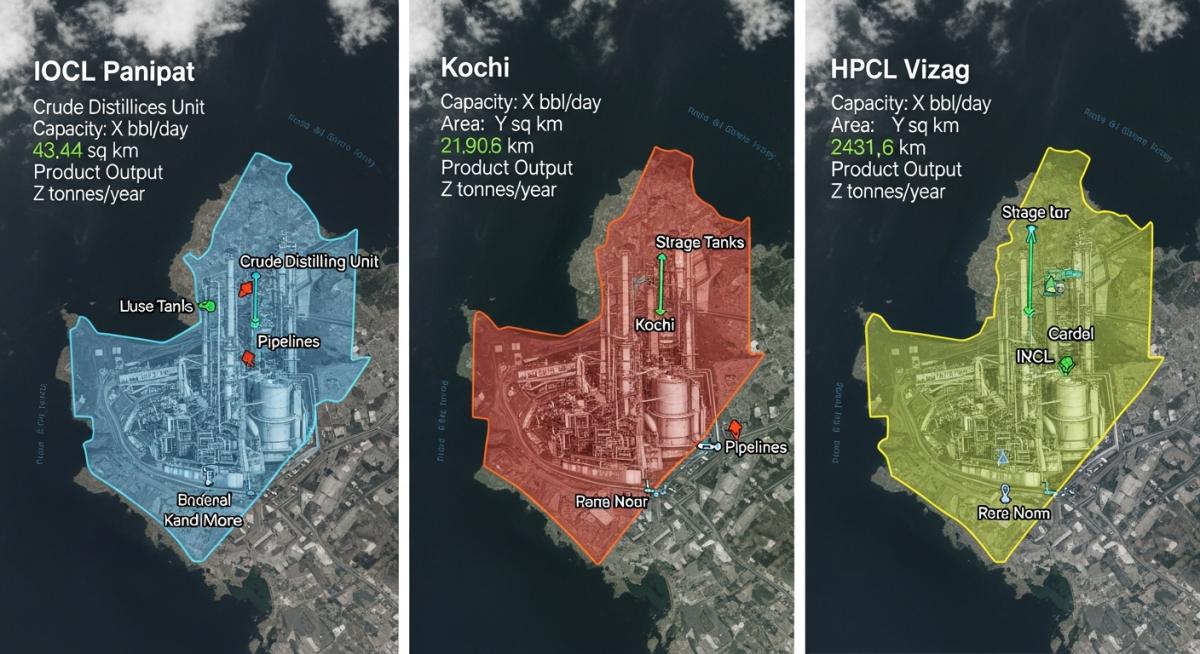
Figure 1: Strategic distribution of OMC assets across the Indian subcontinent in 2026.
Refining Capacity & Configuration
As of 2026, the Refining capacity comparison India shows IOCL maintaining a dominant lead with over 80.7 MMTPA across 9 refineries. However, capacity alone is a lagging indicator. The petrochemical integration in refineries has become the primary engineering goal. By converting FCC (Fluid Catalytic Cracking) off-gases and Naphtha into Polypropylene and Polyethylene, OMCs are de-risking their portfolios against the decline of internal combustion engines.
| Metric (2026 Est.) | IOCL | BPCL | HPCL |
|---|---|---|---|
| Total Refining Capacity | 80.7 MMTPA | 35.3 MMTPA | 29.5 MMTPA |
| Avg Nelson Complexity | 10.2 | 11.4 | 9.8 |
| Petchem Intensity Index | 7.5% | 9.0% | 6.2% |
| Current GRM ($/bbl) | 12.40 | 14.10 | 11.85 |
Operational Efficiency & GRM Performance
The GRM performance of Indian OMCs is the ultimate barometer of engineering efficiency. Gross Refining Margin (GRM) represents the value created by the refining process after accounting for crude costs.
Engineering Calculation: GRM Formulation
GRM = (Total Product Value – Total Feedstock Cost) / Crude Throughput
Product Value = Sum(Yield percentage of MS, HSD, ATF, LPG x Market Price)
Feedstock Cost = Price of Crude + Freight + Insurance + Processing Energy (Steam/Elec)
In the current 2026 landscape, BPCL’s Kochi refinery stands out as a pinnacle of efficiency due to its integrated PDPP (Propane Dehydrogenation and Polypropylene) unit. This illustrates why petrochemical integration in refineries is no longer optional. While IOCL handles higher volumes, BPCL’s focus on high-yield specialty products allows it to lead in per-barrel profitability.
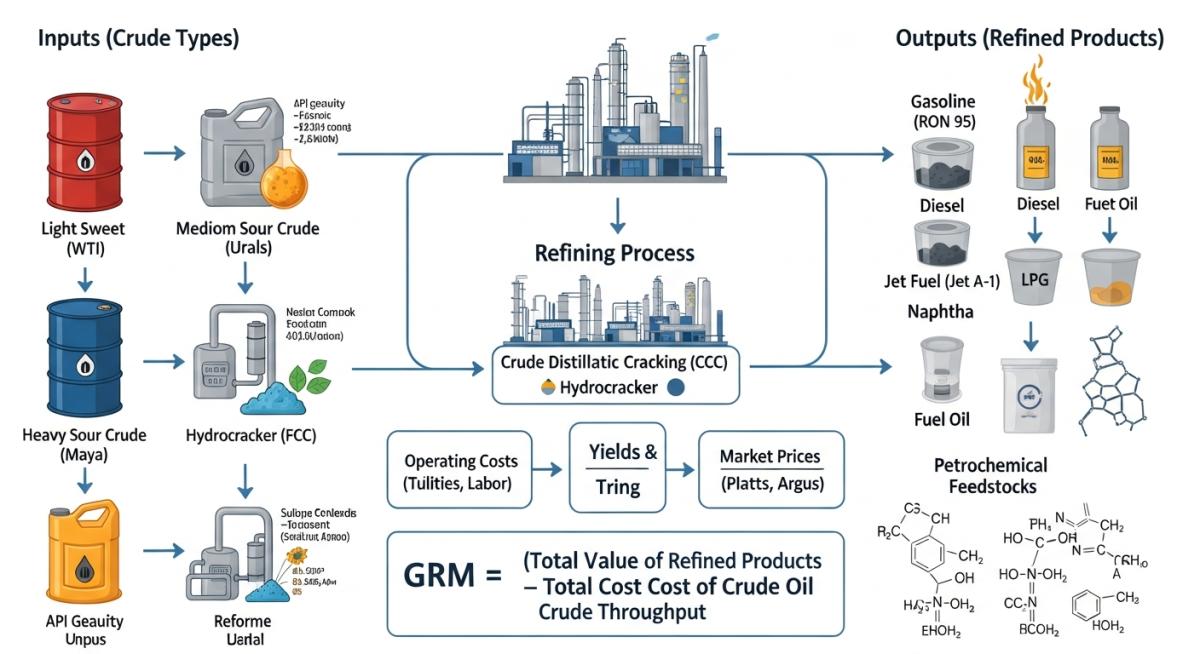
Figure 2: Process flow diagram illustrating the conversion of crude into high-margin chemical streams.
Finally, when analyzing OMC market share 2026, we observe a shift toward digitalization. The retail outlet automation and digitalization programs across all three firms have reduced fuel evaporation losses by 0.15%, which translates to millions in bottom-line savings annually across their combined network of 85,000+ stations.
Corporate Overview & Retail Infrastructure 2026
Beyond refining, the structural comparison of BPCL vs IOCL vs HPCL reveals the sheer scale of their contribution to the Indian economy. As of 2026, these three Public Sector Undertakings (PSUs) operate under the Ministry of Petroleum and Natural Gas, ensuring energy security through a massive network of retail outlets and LPG distribution hubs.
| Feature | BPCL | IOCL | HPCL |
|---|---|---|---|
| Full Form | Bharat Petroleum Corporation Ltd | Indian Oil Corporation Ltd | Hindustan Petroleum Corporation Ltd |
| Headquarters | Mumbai | New Delhi | Mumbai |
| Retail Outlets | ~20,000 | ~34,000 | ~19,000 |
| Est. Year | 1952 | 1959 | 1974 |
OMC Market Share 2026: Fuel & Reach
When evaluating OMC market share 2026, IOCL remains the undisputed leader in volume, capturing approximately 43% of the petroleum product market. This dominance is supported by its 11 refineries, providing an unparalleled geographical spread. However, BPCL (25% share) has successfully pivoted toward “Bharat Petroleum Near Me” digital campaigns, leveraging their retail outlet automation and digitalization to capture high-margin urban traffic.
Consumer Experience: LPG & Loyalty
The competition extends into the domestic kitchen. BPCL’s Bharat Gas is widely recognized for its high-speed delivery algorithms, while IOCL’s Indane leverages its massive rural network. HPCL’s HP Gas has focused on grievance redressal tech, significantly improving user retention in 2026.
Strategic Takeaway for Stakeholders
- ✔ Innovation: BPCL is the primary mover in urban solar-integrated pumps and high-loyalty highway programs.
- ✔ Reliability: IOCL offers the most robust supply chain for industrial-grade fuels across remote terrains.
- ✔ Growth: HPCL demonstrates the highest potential for ROE (Return on Equity) due to lean operational cost structures.
Case Study: BPCL vs IOCL vs HPCL Expansion Analysis
In the pursuit of the 2026 energy milestones, the comparison of Greenfield and massive Brownfield expansion projects provides a window into the engineering prowess of these OMCs. This analysis focuses on the HPCL Visakhapatnam Refinery Modernization Project (VRMP) and its strategic positioning against BPCL’s Kochi expansion and IOCL’s Panipat capacity doubling.
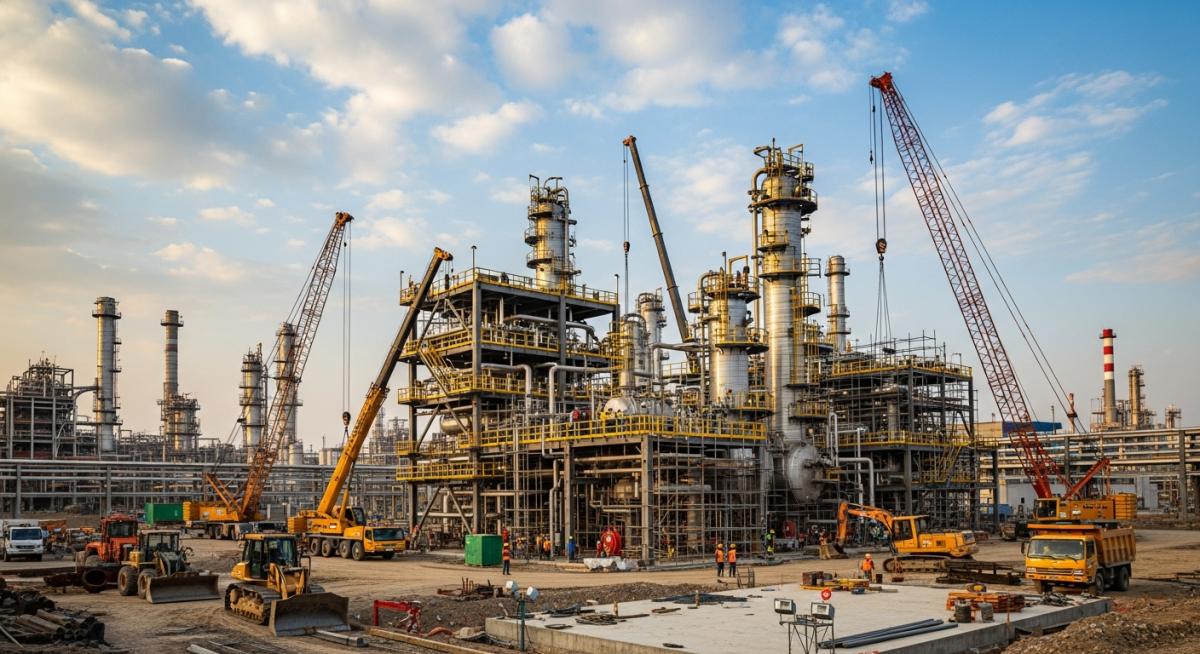
Figure 3: Modernization works at the Vizag site, a cornerstone of HPCL’s 2026 strategy.
Problem & Analysis
By early 2024, HPCL faced a significant “Bottom-of-the-Barrel” processing gap. While BPCL had already commissioned its Integrated Refinery Expansion Project (IREP) in Kochi, HPCL’s Vizag unit was struggling with high production of low-value heavy fuel oil. The engineering challenge was to integrate a Residue Up-gradation Facility (RUF) using licensed technology to convert heavy ends into high-value distillates without shutting down the primary CDU (Crude Distillation Unit) during the tie-in phase.
Solution & Result
The solution involved the implementation of advanced Green hydrogen projects BPCL IOCL HPCL synergies. By utilizing on-site electrolyzers to produce high-purity hydrogen for the hydrocracker units, HPCL achieved a 15% reduction in carbon intensity compared to traditional SMR (Steam Methane Reforming) methods.
- ROI Data: Expansion led to an immediate GRM uplift of $3.50 per barrel.
- Efficiency: Specific Energy Consumption (SEC) dropped by 8% post-integration.
- Market Impact: HPCL’s captive supply for the Andhra-Telangana region reduced logistics costs by 12%.
Conclusion: While IOCL leads in total volume, this case study confirms that HPCL’s targeted modernization has effectively leveled the technical playing field in the 2026 market.
The 2026 Digital Pivot: Beyond Fossil Fuels
As we analyze BPCL vs IOCL vs HPCL, the most significant differentiator in 2026 is no longer just crude throughput, but the deployment of “Industry 4.0” technologies. The integration of retail outlet automation and digitalization has moved from a convenience feature to a core operational requirement, enabling real-time inventory tracking and dynamic pricing models that respond to global market shifts within minutes.
Digital Twin Adoption
IOCL has deployed Digital Twins across 7 refineries, allowing for predictive maintenance that reduces unplanned downtime by 22%. BPCL Kochi has utilized similar models to optimize GRM performance of Indian OMCs through AI-driven crude blending.
EV Hyper-Charging
HPCL is leading the “Way2Connect” initiative, converting traditional fuel stations into Energy Hubs. By 2026, HPCL has installed over 5,000 fast-chargers, targeting the growing electric heavy-vehicle corridor.
Sustainability & Green Hydrogen Milestones
The engineering landscape is also being reshaped by green hydrogen projects BPCL IOCL HPCL. Unlike previous years where hydrogen was strictly a refinery byproduct, 2026 marks the first year where green hydrogen—produced via renewable-powered electrolysis—is being injected into the main processing streams. This shift is critical for maintaining OMC market share 2026 as carbon taxes begin to influence industrial fuel procurement.
2026 Tech Benchmarking
Note: Data based on the Q1 2026 Ministry of Petroleum and Natural Gas (MoPNG) Digital Readiness Report.
EPCLand YouTube Channel
2,500+ Videos • Daily Updates
Frequently Asked Questions
Which company has the largest OMC market share 2026? ▼
As of early 2026, IOCL continues to hold the largest market share in India, commanding approximately 40-42% of the retail fuel market. However, BPCL and HPCL are aggressively capturing niche urban segments through advanced retail outlet automation and digitalization initiatives.
How does refining capacity comparison India affect consumer prices? ▼
While global crude prices are the primary driver, refining capacity comparison India metrics show that higher capacity and complexity (like IOCL’s Panipat expansion) allow for better economies of scale, which helps OMCs stabilize domestic prices during international volatility.
What are the latest green hydrogen projects BPCL IOCL HPCL? ▼
In 2026, all three OMCs have commissioned pilot-scale electrolyzers. IOCL’s Panipat unit and BPCL’s Kochi facility are leading in green hydrogen projects BPCL IOCL HPCL by replacing traditional grey hydrogen in their desulfurization units to meet the 2026 green energy mandate.
Why is petrochemical integration in refineries so important now? ▼
Petrochemical integration in refineries is vital for long-term survival. As electric vehicle adoption increases, OMCs are shifting their 2026 production focus from transport fuels to polymers and chemical building blocks, which offer higher margins and sustainable demand.
Final Verdict: BPCL vs IOCL vs HPCL
In the 2026 engineering landscape, the winner depends on the metric. IOCL wins on sheer scale and infrastructure depth. BPCL maintains the crown for technical efficiency and GRM performance of Indian OMCs. Meanwhile, HPCL is the fastest-evolving entity, closing the technology gap through its massive Vizag and Barmer initiatives. For engineers and stakeholders, the integration of digital twins and green hydrogen will be the ultimate differentiator for the remainder of this decade.
