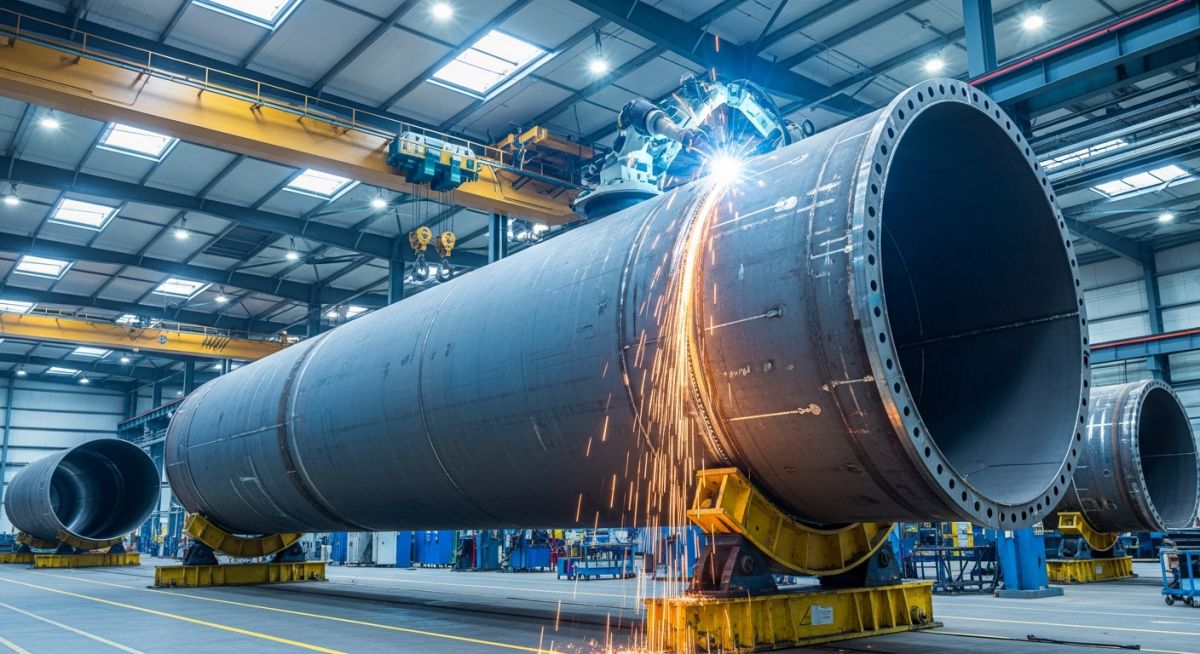
Discover the essential steps of pressure vessel manufacturing, from material selection and forming to welding, inspection, and testing.

Learn what structural resonance is, how it causes catastrophic failures in engineering, and the best methods to mitigate its destructive effects.
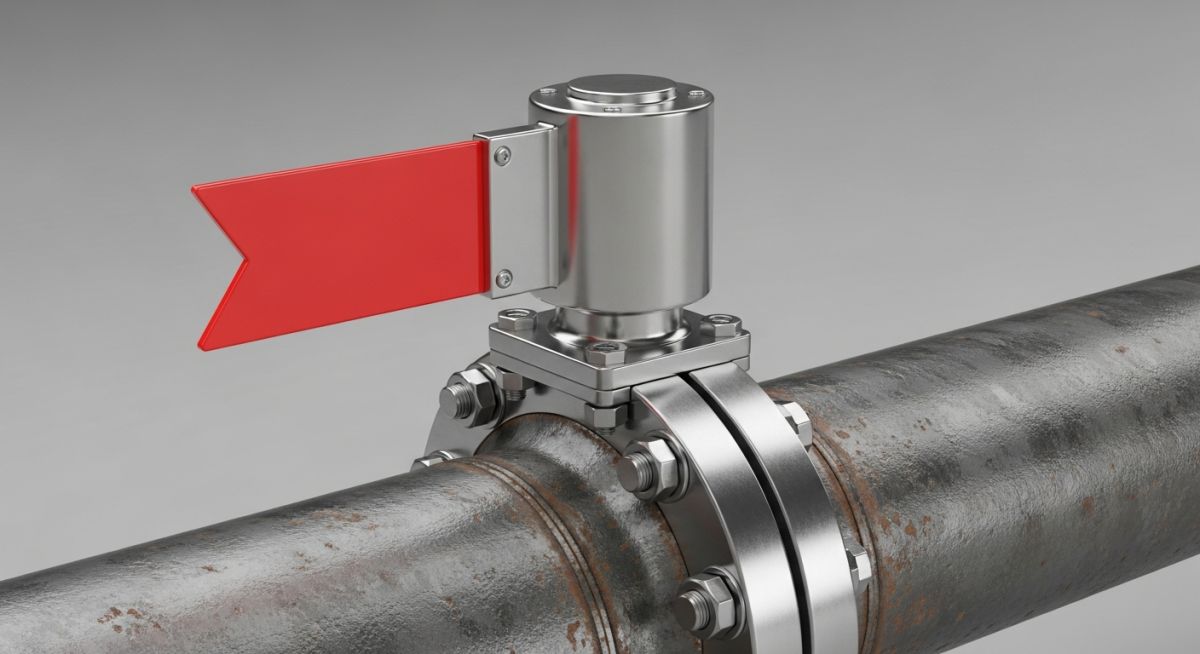
Learn about pipeline pig signallers, including their types, key components, material selection, and step-by-step installation guidelines.
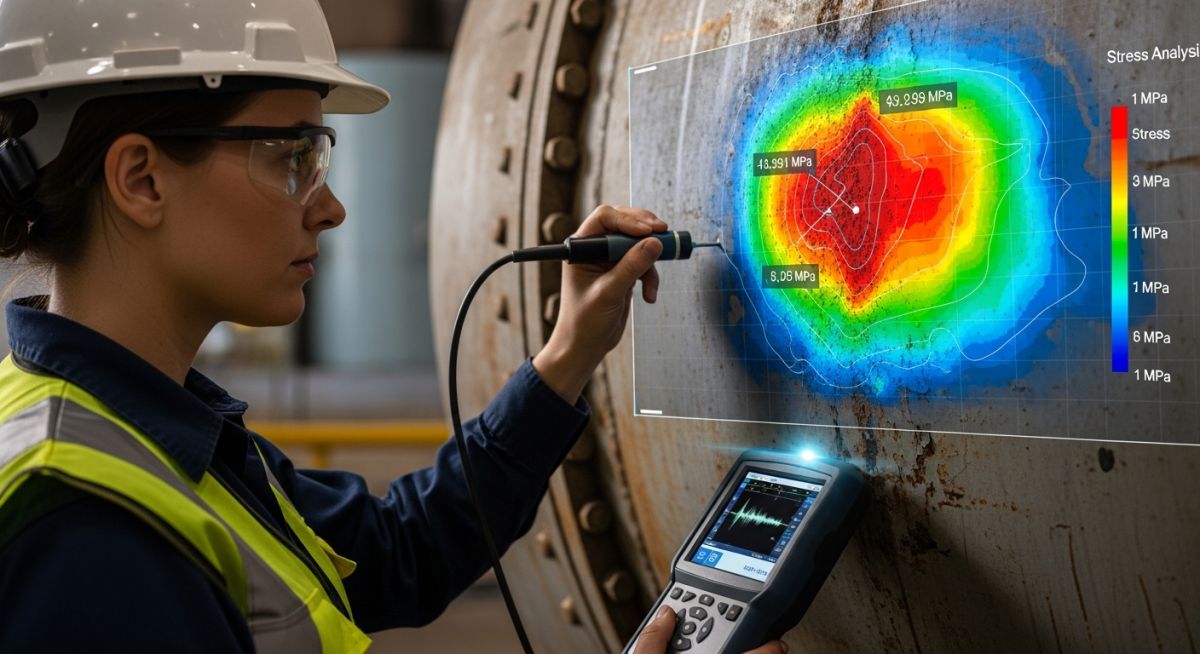
Learn what Fitness for Service (FFS) is and how API 579 standards evaluate the structural integrity of pressurized industrial equipment.
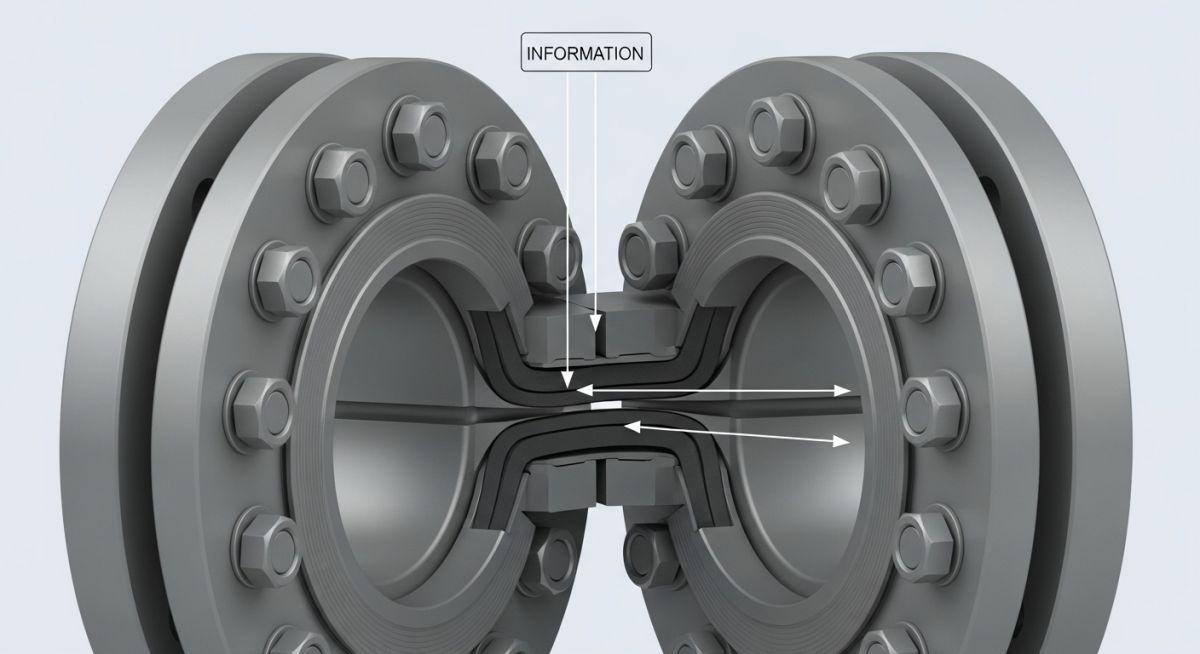
Learn why gasket m and y factors are critical for leak-free bolted flange joint design under ASME Section VIII standards.
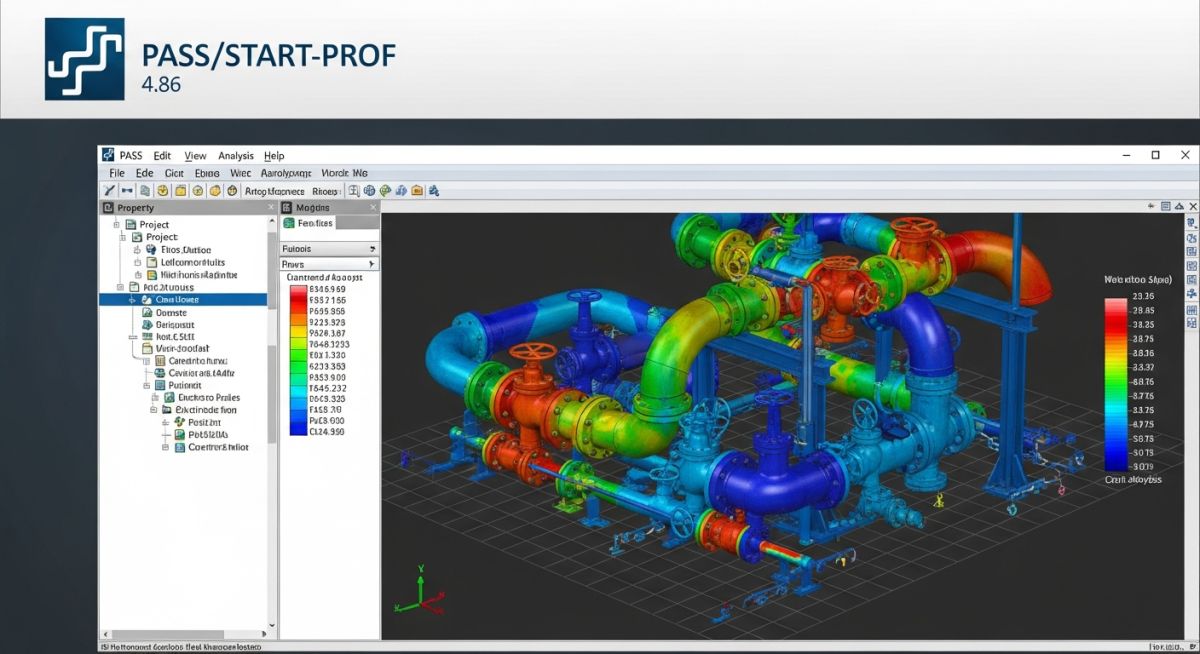
Discover the latest features and capabilities of PASS/START-PROF 4.86, the advanced pipe stress analysis software for modern piping engineers.
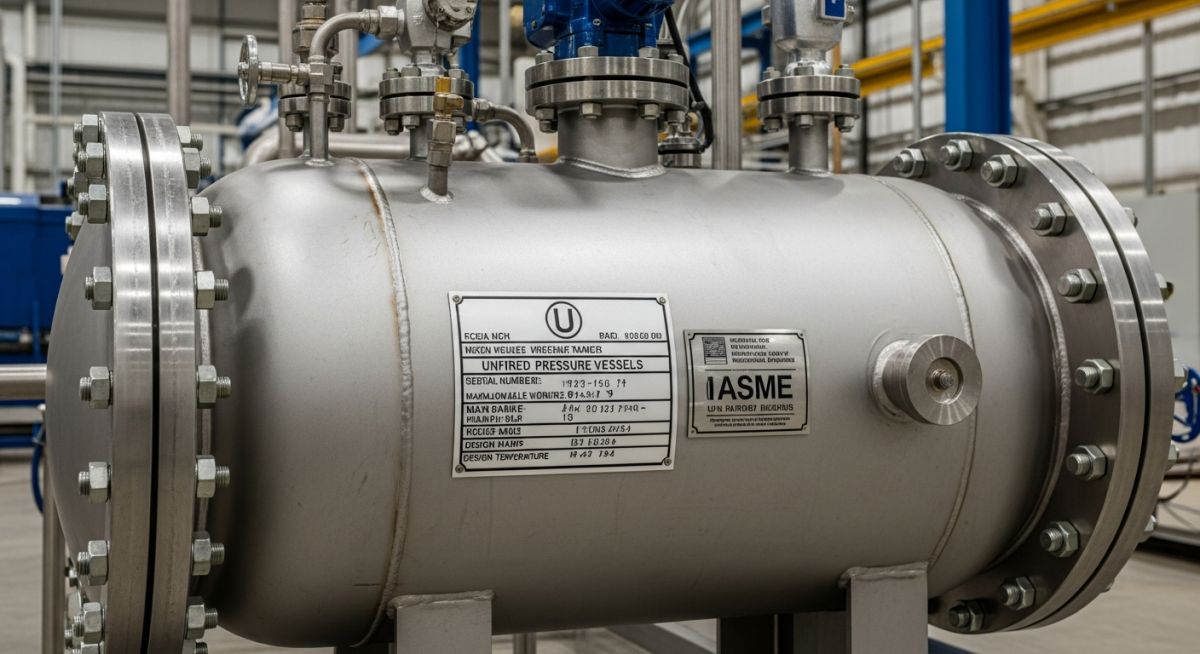
Learn what ASME certification is, the step-by-step procedure to obtain it, and the significance of the ASME certification mark.
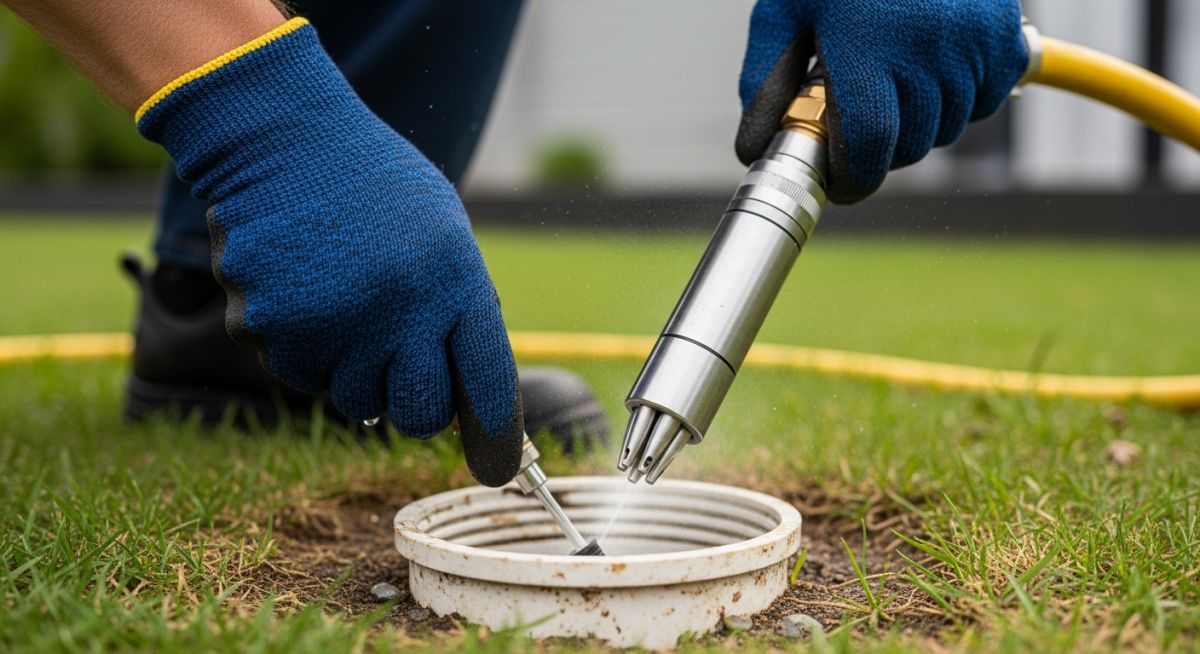
Discover what hydro jetting is, how this high-pressure sewer cleaning method works, and its key engineering applications for clearing stubborn pipe blockages.
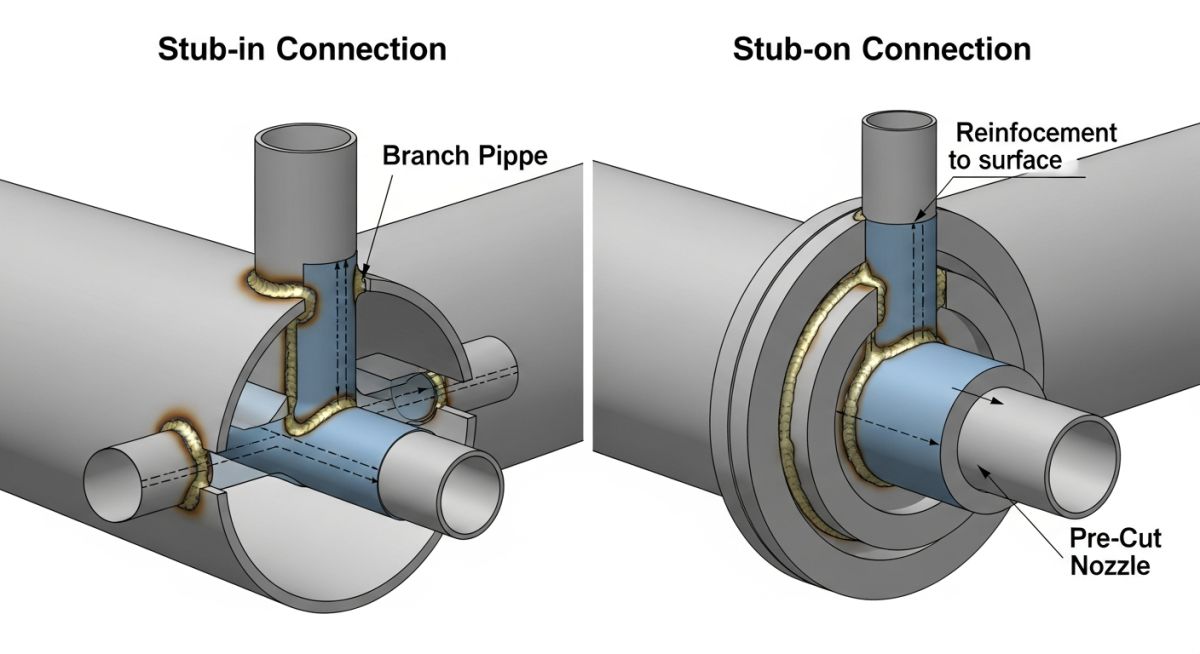
Learn the key differences between stub-in vs stub-on piping connections, including design, reinforcement, welding, and industry applications.
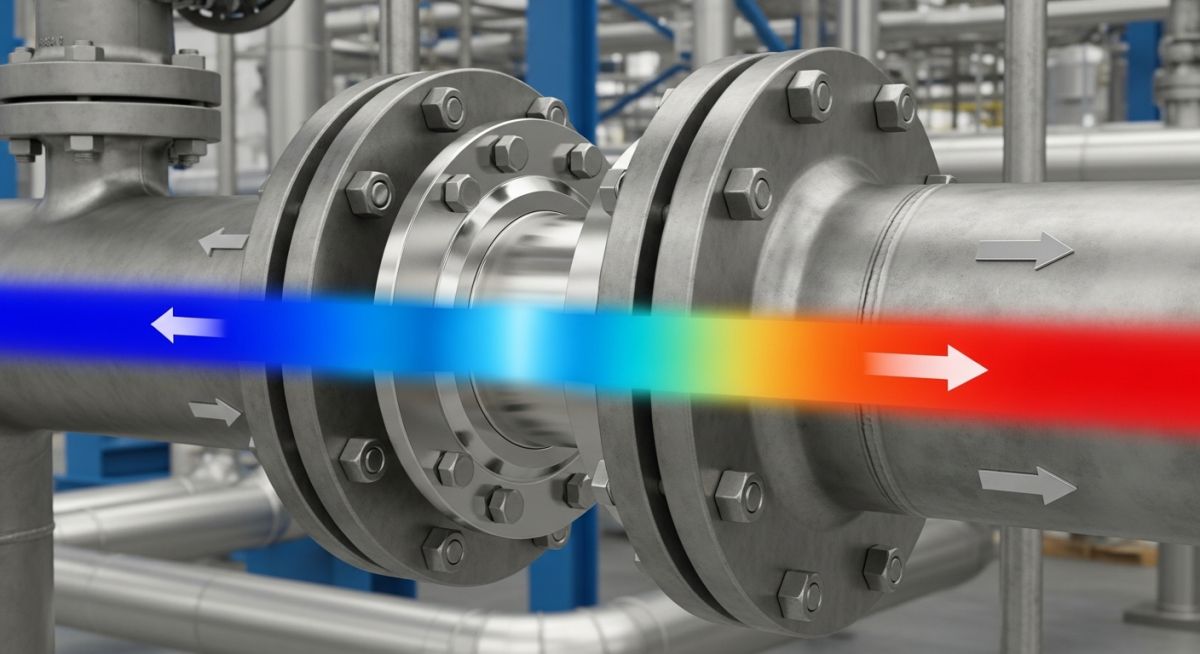
Learn what a restriction orifice (RO) is, how it works, its key types, industrial applications, and essential sizing guidelines.
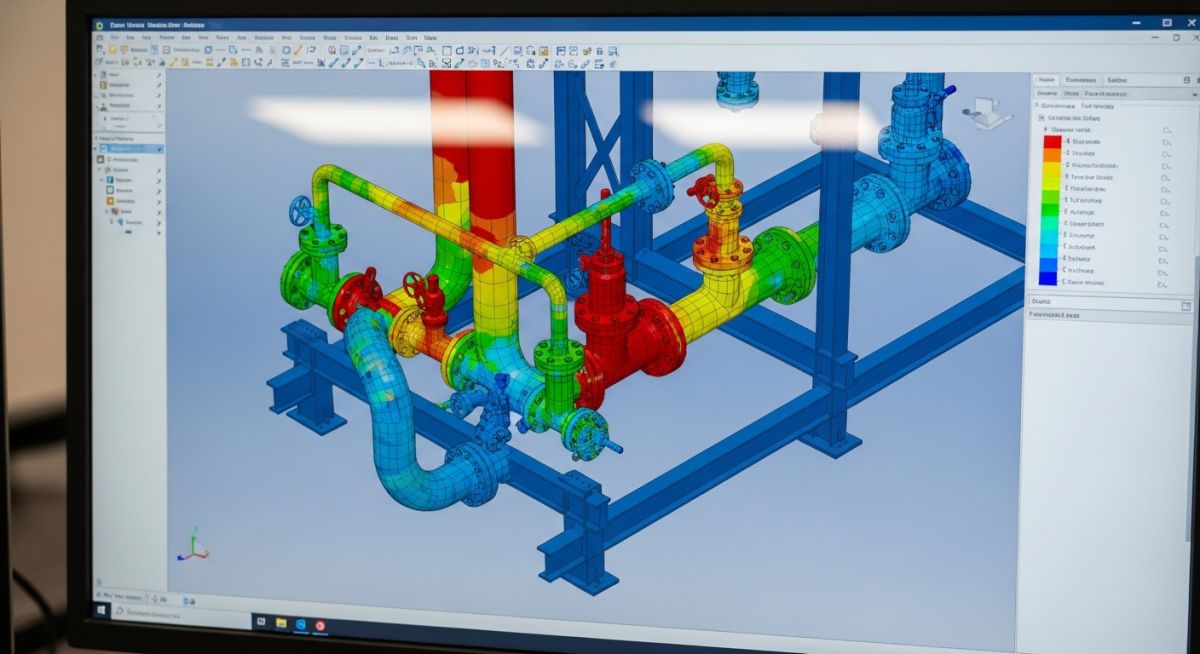
Learn the fundamentals of pipe stress analysis, its importance in piping design, key codes like ASME B31.3, and essential software tools.
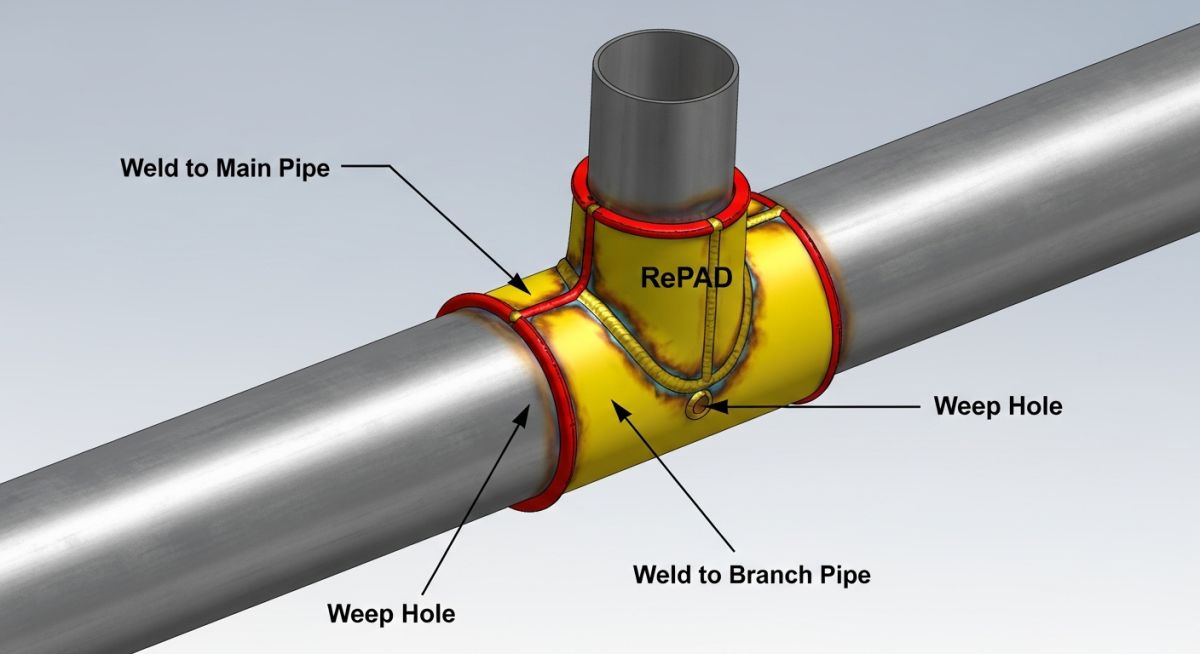
Learn what a reinforcement pad (RePAD/RF Pad) is, how it works, and its critical role in piping and pressure vessel design.