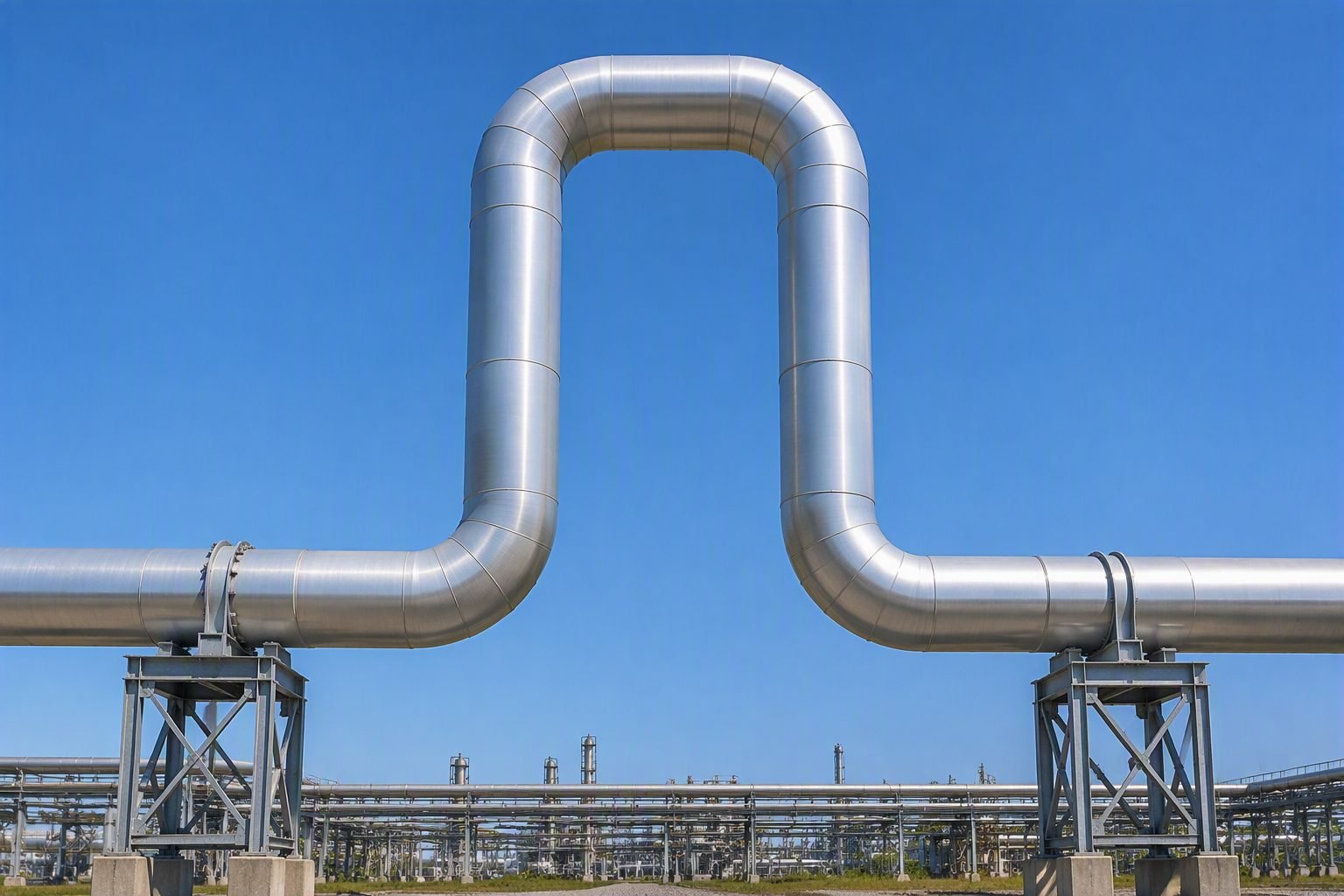
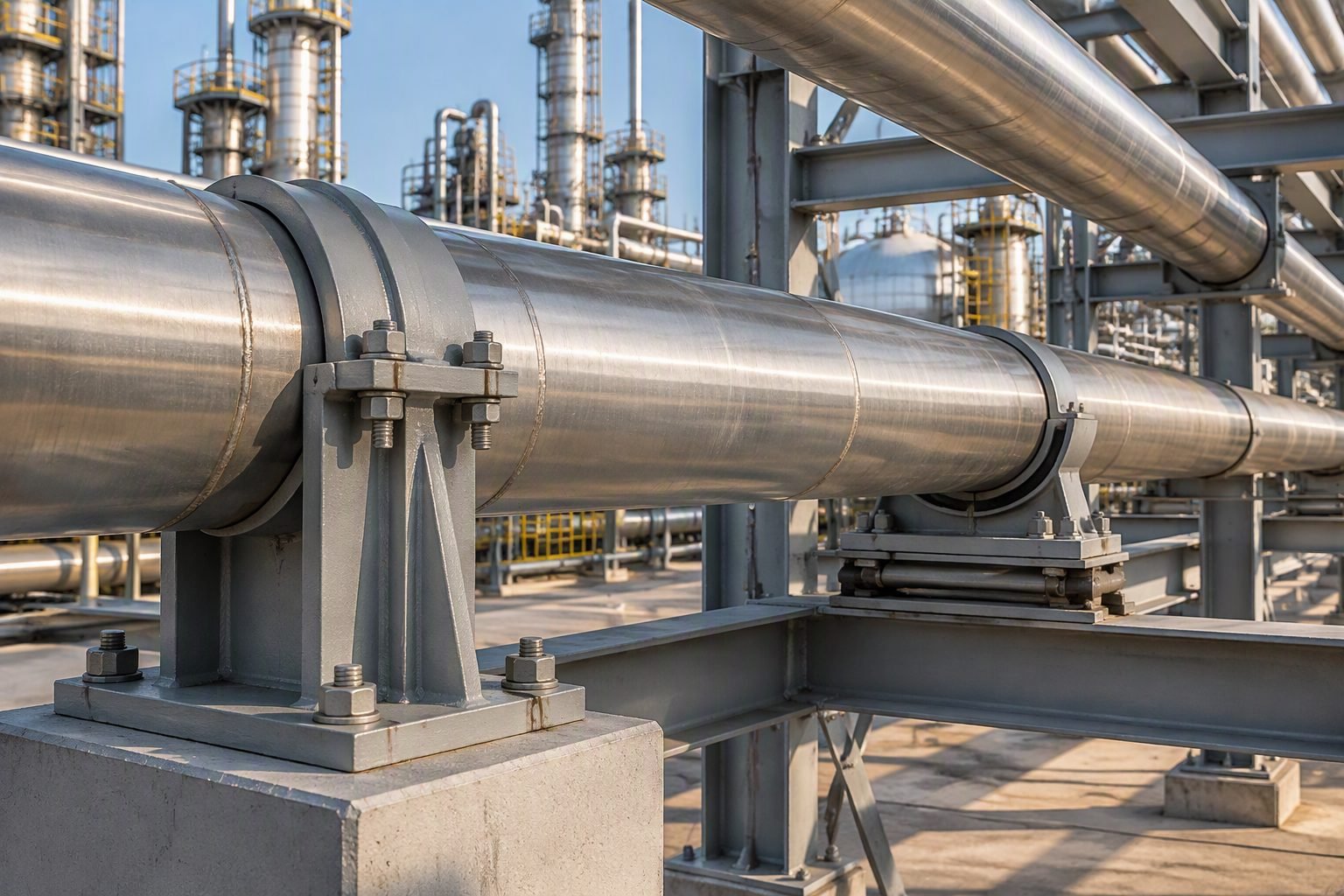
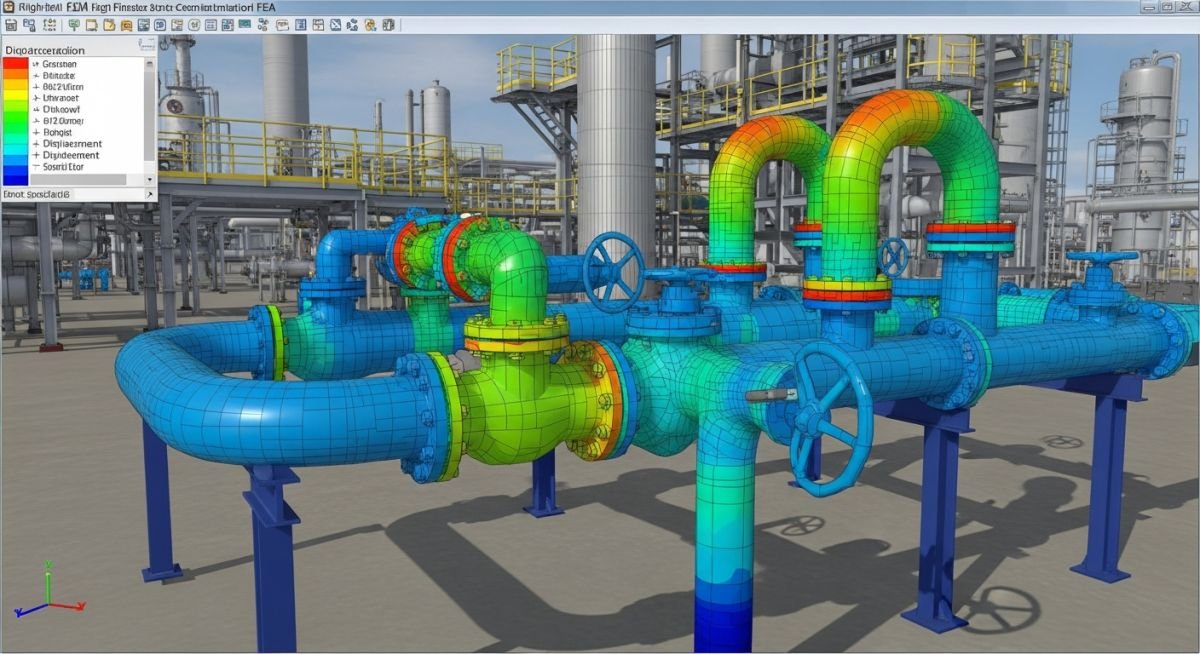
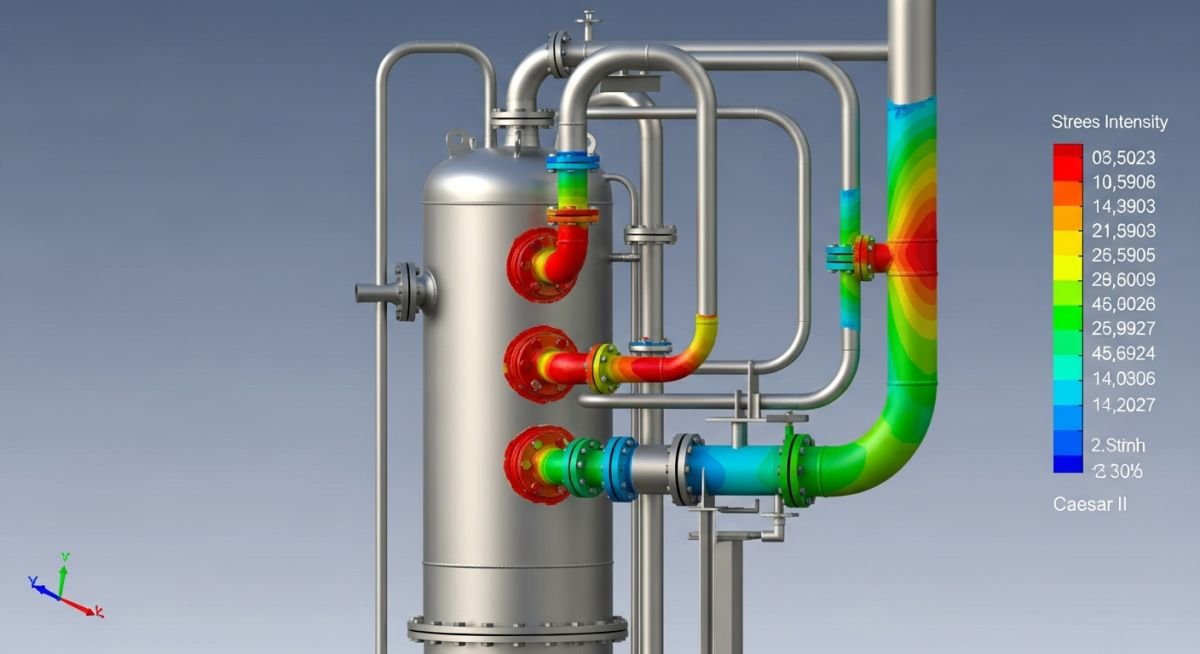
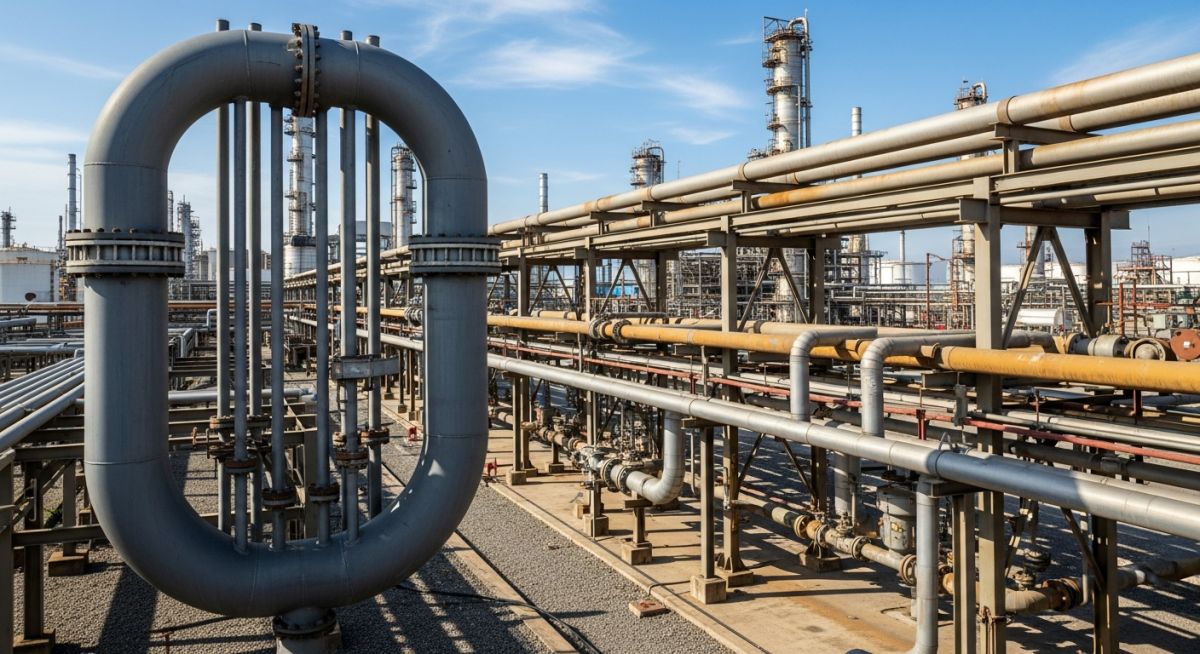
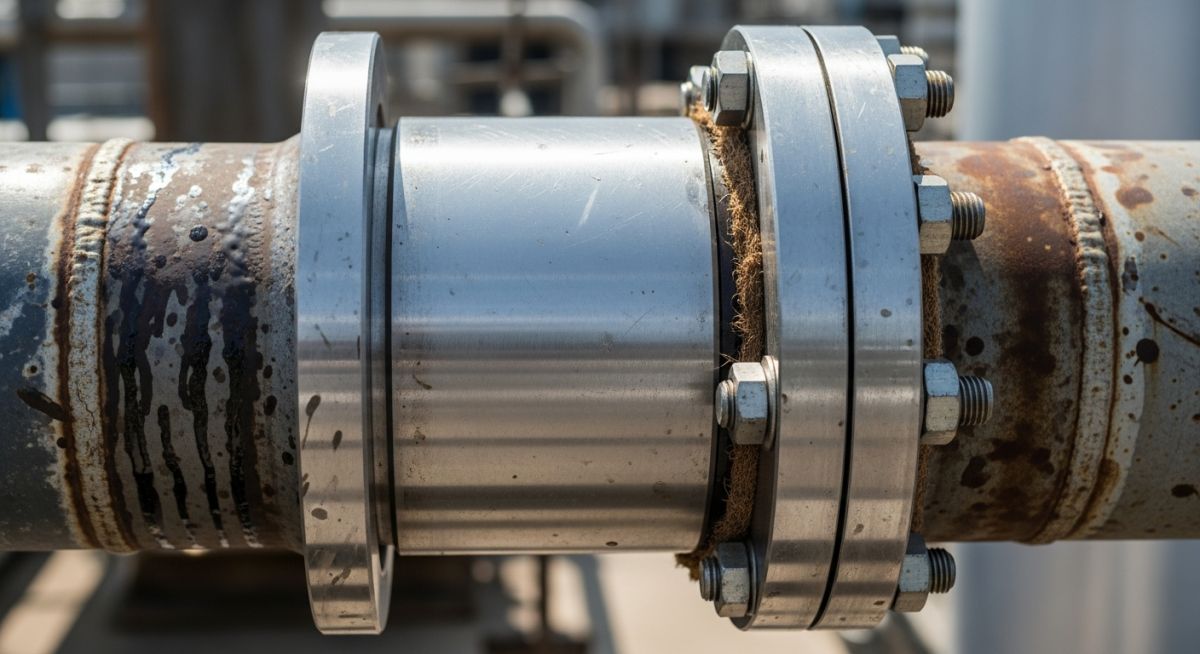
Verified Engineering Content 2026 Reviewed by Epcland Content & Dev Architects Engineering Guide to High Temperature and High-Pressure Piping High Temperature and High-Pressure Piping represents the most critical subset of mechanical infrastructure in modern power generation, petrochemical refining, and chemical processing plants. In 2026, the demand for higher thermal efficiency in supercritical cycles has pushed the boundaries of material science, requiring engineers to balance extreme hoop stress with time-dependent deformation. This guide provides a rigorous architectural breakdown of the standards, mechanics, and material behaviors governing these extreme-service systems. Quick Definition High Temperature and High-Pressure Piping refers to systems operating above 750 degrees Fahrenheit (400 degrees Celsius) and internal pressures exceeding 1000 psig. These systems require specialized alloy steels, such as P91 or P22, to resist creep deformation and maintain structural integrity under extreme mechanical and thermal loading according to ASME B31.3 standards. Table of Contents 1. Technical Definition of High Temperature and High-Pressure Piping 2. Fundamental Mechanics of Pressure Piping Systems 3. Material Selection for High Temperature and High-Pressure Piping 4. Analyzing the Effect of Internal Pressure on Piping Integrity 5. Thermal Expansion and Effects of Temperature on Piping Systems 6. Key Design Codes for High Temperature and High-Pressure Piping 7. Major Characteristics of High Temperature and High-Pressure Piping Materials 8. Practical Examples of High Temperature and High-Pressure Piping Systems 9. Advanced Maintenance and Inspection Trends for 2026 Engineering Competency Check Question 1 of 5 Next Question Restart Quiz What is the Technical Definition of High Temperature and High-Pressure Piping? In the engineering landscape of 2026, High Temperature and High-Pressure Piping is categorized by its operating environment rather than a single arbitrary number. Typically, any system operating above the creep range of carbon steel (approximately 800 degrees Fahrenheit) or exceeding internal pressures of 1000 psig (68.9 bar) falls into this high-severity classification. These systems are governed by the Pressure Equipment Directive (PED) and specific ASME codes to ensure public safety and operational longevity. The threshold for "High Temperature" is often defined by the point where time-dependent properties (creep) become the limiting factor for allowable stress. For standard carbon steels like A106 Grade B, this transition occurs much earlier than for high-alloy materials like P91 or P92, which are designed to withstand High Temperature and High-Pressure Piping conditions in modern power cycles. Fundamental Mechanics of Pressure Piping Systems Understanding ASME B31.3 Process Piping mechanics requires an analysis of the multi-axial stress states acting on the pipe wall. The primary stresses involved include Hoop Stress (circumferential), Longitudinal Stress (axial), and Radial Stress. In high-pressure applications, the ratio of the outside diameter to the wall thickness determines whether thin-wall or thick-wall formulas must be applied. For High Temperature and High-Pressure Piping, the internal pressure creates a constant tensile stress that, over time, can lead to micro-void formation at grain boundaries. This mechanical degradation is exacerbated by thermal gradients across the pipe wall, where the inner surface may be significantly hotter than the outer surface, inducing secondary thermal stresses that must be accounted for during the design phase. Material Selection for High Temperature and High-Pressure Piping The selection of Alloy Steel P91/P92 Materials is mandatory for systems operating in the 1000 to 1150 degrees Fahrenheit range. These martensitic steels contain Chromium, Molybdenum, and Vanadium, which provide exceptional Creep Deformation and Fatigue resistance. Without these alloying elements, standard piping would experience rapid wall thinning and ultimate rupture due to the high-energy molecular vibration at these temperatures. Low-Alloy Steels (P11, P22): Suitable for moderate temperatures up to 1000 degrees Fahrenheit. High-Alloy Steels (P91, P92): Required for ultra-supercritical steam applications in 2026. Stainless Steels (304H, 347H): Used when corrosion resistance must be coupled with high-temperature strength. Nickel Alloys (Inconel 617): Reserved for the most extreme High Temperature and High-Pressure Piping environments exceeding 1200 degrees Fahrenheit. Analyzing the Effect of Internal Pressure on Piping Integrity A critical aspect of Wall Thickness Calculation involves the Barlow Formula modified by the ASME B31.3 "Y" coefficient. This coefficient accounts for the non-linear distribution of stress across the wall in thick-walled High Temperature and High-Pressure Piping. As pressure increases, the required wall thickness grows exponentially, which in turn reduces the system's flexibility. In 2026, engineering teams must also consider the "mill tolerance" and corrosion allowance when determining the final schedule of the pipe. For High Temperature and High-Pressure Piping, a thicker wall is not always better; excessively thick walls can lead to higher thermal fatigue during rapid startup and shutdown cycles due to the massive thermal inertia of the metal. Key Design Codes for High Temperature and High-Pressure Piping The architectural integrity of any High Temperature and High-Pressure Piping system is governed by rigorous international standards. In 2026, the primary authority remains ASME B31.3 Process Piping, which specifically addresses high-pressure fluid services in Chapter IX. Furthermore, ASME B31.1 Power Piping is the definitive standard for steam-water loops in utility boilers. These codes mandate precise material certifications (ASTM/API) and non-destructive examination (NDE) protocols to mitigate the risk of catastrophic failure. A significant update in the 2026 engineering cycle is the mandatory transition to ASME B31J for calculating Stress Intensification Factors (SIFs). This move away from simplified legacy charts ensures that High Temperature and High-Pressure Piping stress models account for the complex flexibility of tees and trunnions with greater digital accuracy, preventing under-designed joints in high-cycle thermal environments. Major Characteristics of High Temperature and High-Pressure Piping Materials In 2026, material selection is no longer just about yield strength; it is about Creep Deformation and Fatigue resistance. The following table compares the allowable stress and application limits for the most common Alloy Steel P91/P92 Materials and advanced nickel alloys used in extreme service. Material Grade Max Temp (F) Allowable Stress at 1000F (ksi) Primary 2026 Application ASTM A335 P22 1200 7.8 Standard Steam Lines ASTM A335 P91 1200 14.3 Supercritical Headers ASTM A335 P92 1250 16.1 Ultra-Supercritical Steam Inconel 617 1800 23.5 Generation IV Nuclear/Solar Wall Thickness Calculation for High Pressure Piping Calculating the required thickness for High Temperature and High-Pressure Piping requires adherence to the ASME B31.3 internal pressure design formula. This calculation ensures the pipe can contain the design pressure while accounting for the strength degradation of the material at elevated temperatures. tm = [ (P × D) / (2 × (S × E + P × Y)) ] + c Where: tm: Minimum required wall thickness including allowances. P: Internal design gage pressure (psig). D: Outside diameter of the pipe. S: Allowable stress value at design temperature. E: Quality factor (typically 1.0 for seamless pipe). Y: Coefficient representing the stress distribution (varies with temperature and material). c: Sum of mechanical, corrosion, and erosion allowances. Practical Examples of High Temperature and High-Pressure Piping Systems In 2026, High Temperature and High-Pressure Piping is found in increasingly efficient configurations. Common industrial examples include: FCCU Flue Gas Lines: Operating at temperatures up to 1320 degrees Fahrenheit (715 degrees Celsius) to drive power recovery trains. Aromatics Platformer Reactors: Utilizing high-pressure hydrogen service where Thermal Expansion Stresses must be managed alongside hydrogen embrittlement risks. Supercritical Steam Headers: Running at pressures above 3200 psig, requiring thick-walled P92 piping to withstand the intense mechanical energy. High Temperature and High-Pressure Piping Calculator Estimate the minimum required wall thickness (tm) based on the ASME B31.3 internal pressure formula. All units are in Imperial (inches/psig/psi). Internal Design Pressure (P) psig Outside Diameter (D) inches Allowable Stress (S) psi Joint Quality Factor (E) Commonly 1.0 for seamless pipe. Coefficient (Y) Typically 0.4 (Carbon Steel) to 0.7 (Alloys > 1100F). Corrosion Allowance (c) inches Calculate Thickness Reset Calculation Results (2026 Engineering Standards) tm = 0.000 inches Fabrication and PWHT Protocols for High Temperature and High-Pressure Piping The structural integrity of High Temperature and High-Pressure Piping is largely determined during the fabrication and welding phase. In 2026, the use of advanced creep-strength enhanced ferritic (CSEF) steels like Grade P91 requires extremely precise thermal management. Unlike standard carbon steel, these alloys undergo complex phase transformations; improper cooling or heating can result in a "soft zone" within the Heat Affected Zone (HAZ), drastically reducing the creep-rupture life of the entire system. Critical Post-Weld Heat Treatment (PWHT) Requirements Post-Weld Heat Treatment is mandatory for High Temperature and High-Pressure Piping to temper the brittle martensite formed during welding and to relieve residual stresses. According to 2026 ASME B31.3 standards, the temperature must be maintained within a very narrow window. If the temperature exceeds the Lower Critical Transformation Temperature (Ac1), the material's mechanical properties will be permanently compromised, leading to premature failure in high-pressure service. Material Grade Holding Temp Range (F) Min Hold Time (Hours/Inch) Metallurgical Goal ASTM A335 P22 1300 - 1400 1.0 Stress Relief & Ductility ASTM A335 P91 1350 - 1425 2.0 Martensite Tempering ASTM A335 P92 1375 - 1450 2.0 Precipitation Strengthening Furthermore, 2026 fabrication protocols for High Temperature and High-Pressure Piping emphasize the use of induction heating over resistance heating for thicker sections. Induction heating provides a more uniform temperature distribution through the pipe wall, minimizing the risk of localized overheating. Every PWHT cycle must be documented with calibrated thermocouple charts to ensure compliance with the Pressure Equipment Directive (PED) and project-specific engineering specifications. Don't miss this video related to High Temperature and High-Pressure Piping Summary: When pressure and temperature are high – seamless pipes deliver! No welds, just strength and performance. Want to master ...... ✅ 2500+ VIDEOS View Playlists → JOIN EXCLUSIVE EDUCATION SUBSCRIBE Case Study: Creep Life Analysis of High Temperature and High-Pressure Piping In 2026, a major Combined Cycle Power Plant (CCPP) initiated a life-extension study for its Main Steam header. The system, constructed from P91 alloy steel, had reached 100,000 hours of continuous operation at 1050 degrees Fahrenheit and 2400 psig. This analysis focused on the structural integrity of the High Temperature and High-Pressure Piping weldments, which are the most susceptible regions for Type IV creep cracking. Project Data Service: Superheated Main Steam Material: ASTM A335 Grade P91 Design Temp: 1050 degrees Fahrenheit Design Pressure: 2400 psig Accumulated Life: 100,000 hours Failure Analysis Metallographic replication revealed advanced stage-2 creep cavitation in the Heat Affected Zone (HAZ) of a primary header weld. This micro-void formation indicated that the High Temperature and High-Pressure Piping was nearing its theoretical rupture limit due to localized stress concentration at a rigid pipe support. Engineering Fix The engineering team implemented a multi-stage remediation strategy for the High Temperature and High-Pressure Piping: Immediate replacement of the affected weld spool using P92 alloy for enhanced creep strength. Redesign of the constant-effort spring hangers to redistribute thermal expansion loads more effectively. Installation of real-time strain gauges and high-temperature thermocouples connected to a 2026 AI-driven digital twin for continuous creep monitoring. Lessons Learned The primary lesson from this 2026 assessment is that rigid pipe supports are the hidden enemies of High Temperature and High-Pressure Piping. While the pipe material itself may be within design limits, the secondary stresses caused by hindered thermal expansion accelerate creep degradation significantly faster than internal pressure alone. Flexibility analysis must be updated every 5 years to account for support "sag" and hanger drift. Frequently Asked Questions: High Temperature and High-Pressure Piping How often should ASME B31.3 Process Piping be inspected for creep in 2026? For High Temperature and High-Pressure Piping operating in the creep range, 2026 industry standards recommend a major condition assessment every 45,000 to 50,000 hours of operation. This involves non-destructive testing (NDT) such as phased array ultrasonic testing (PAUT) and surface replication to detect early signs of Creep Deformation and Fatigue. What are the advantages of using Alloy Steel P91/P92 Materials? Alloy Steel P91/P92 Materials offer superior high-temperature strength and better resistance to thermal fatigue than standard chromium-molybdenum steels. Their refined martensitic microstructure allows for thinner pipe walls in High Temperature and High-Pressure Piping, which reduces the overall weight of the piping system and decreases the magnitude of Thermal Expansion Stresses at the supports. How do Thermal Expansion Stresses affect high-pressure steam headers? In High Temperature and High-Pressure Piping, thermal expansion can cause the pipe to grow several inches per hundred feet. If this movement is restricted by rigid anchors, it creates massive internal stresses that can buckle the pipe or tear it from its supports. Engineers in 2026 use expansion loops and spring hangers to manage these Thermal Expansion Stresses and maintain system flexibility. What is the impact of Wall Thickness Calculation on system costs? An accurate Wall Thickness Calculation is vital for both safety and economy. For a 12-inch P91 line, increasing the wall thickness by just 0.25 inches can add thousands of USD to material costs and significantly increase the complexity of the welding and heat treatment procedures required for High Temperature and High-Pressure Piping. Final Engineering Perspective for 2026 Designing and maintaining High Temperature and High-Pressure Piping is a complex multi-disciplinary challenge that bridges the gap between mechanical stress analysis and metallurgical science. As we move through 2026, the adoption of advanced chromium-moly alloys and sophisticated digital monitoring has enabled plants to operate at higher efficiencies than ever before. Success in these environments depends on a strict adherence to ASME B31.3 Process Piping codes and a deep understanding of the time-dependent degradation mechanisms like creep. By balancing internal pressure containment with thermal flexibility, engineers can ensure that High Temperature and High-Pressure Piping remains the reliable backbone of global energy and industrial infrastructure for decades to come. 📚 Recommended Resources: High Temperature and High-Pressure Piping Read these Guides 📄 Creep Rupture Usage Factor: Engineering Guide to Elevated Temperature Service 📄 Revit to PASS/START-PROF Import Guide | Piping Stress Analysis 2026 📄 Rotating Equipment Piping Alignment: The 2026 Engineering Procedure 📄 Understanding Friction Forces in Cold State of Piping Analysis Guide 🎓 Advanced Training 🏆 ASTM A671 & A672 Mastery – Electric Fusion Welded Steel Pipes for EPC Piping Engineers 🏆 58 Components of API 602 Gate Valves 🎥 Watch Tutorials What Are Seamless Pipes? Why Choose Seamless Pipes for High Pressure? ASTM A53 vs. ASTM A106: Key Differences & Applications | MCQs Explained #shorts #youtubeshorts