The Future of Fuel: Green Hydrogen and Green Ammonia Energy Carriers
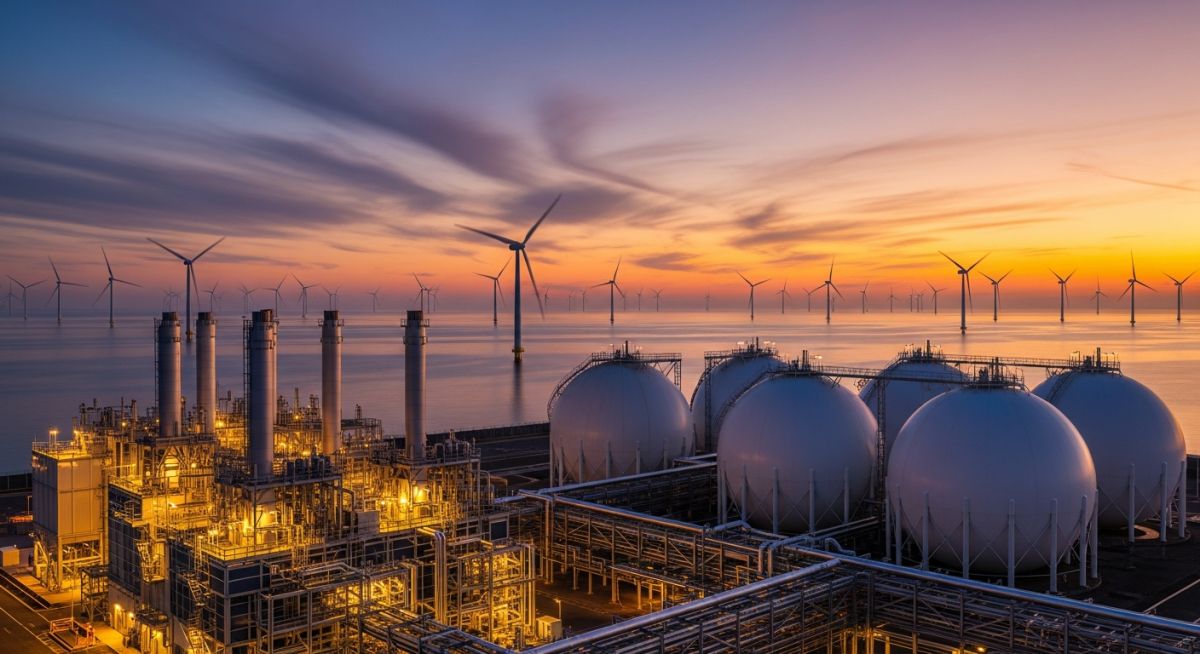
You have thousands of megawatts of offshore wind power surging into the grid at 3:00 AM, but the factories are dark and the cities are asleep. Where does that energy go? Traditionally, it’s lost to curtailment. But today, engineering firms are racing to convert that “ghost energy” into Green Hydrogen and Green Ammonia Energy Carriers. This guide breaks down how we are finally solving the intermittent energy puzzle by turning electrons into molecules that can be shipped, stored, and burned without a trace of carbon.
Key Engineering Takeaways
- Understanding the thermodynamic shift from electron-based storage to molecular-based energy carriers.
- Technical specifications for PEM electrolysis and the carbon-free Haber-Bosch synthesis loop.
- Comparative analysis of volumetric energy density for long-haul maritime and industrial logistics.
What are Green Hydrogen and Green Ammonia Energy Carriers?
Green Hydrogen and Green Ammonia Energy Carriers are carbon-neutral chemical substances produced using renewable electricity. Green Hydrogen is created via water electrolysis, while Green Ammonia is synthesized by combining that hydrogen with nitrogen. They act as high-density “chemical batteries,” enabling the storage and global transport of renewable energy across sectors that cannot be easily electrified.
“The transition to Green Hydrogen and Green Ammonia Energy Carriers isn’t just a policy shift; it’s a massive mechanical and chemical engineering overhaul. We are moving from a world of ‘digging for energy’ to a world of ‘manufacturing energy.’ The infrastructure we build today will define the industrial footprint for the next century.”
— Atul Singla, Founder of Epcland
Complete Course on
Piping Engineering
Check Now
Key Features
- 125+ Hours Content
- 500+ Recorded Lectures
- 20+ Years Exp.
- Lifetime Access
Coverage
- Codes & Standards
- Layouts & Design
- Material Eng.
- Stress Analysis
Engineering Knowledge Check: Energy Carriers
Validate your understanding of Green Hydrogen and Green Ammonia Energy Carriers
1. What is the primary thermodynamic reason Green Ammonia is preferred over Green Hydrogen for long-distance maritime transport?
What defines Green Hydrogen and Green Ammonia Energy Carriers?
To understand the engineering paradigm of Green Hydrogen and Green Ammonia Energy Carriers, we must first distinguish between an energy “source” and an energy “carrier.” Unlike natural gas or coal, which are primary energy sources extracted from the earth, Green Hydrogen (H2) and Green Ammonia (NH3) are manufactured. They function as chemical vessels that hold energy generated by renewable sources like wind, solar, or hydro. In a decarbonized economy, these carriers solve the “hard-to-abate” problem—sectors like heavy shipping, steel manufacturing, and long-duration grid storage where batteries simply lack the required energy density.
The “Green” designation is strictly a measure of carbon intensity during the production phase. For Green Hydrogen, this implies that the electricity used to power the water-splitting process is 100% renewable. For Green Ammonia, it requires that both the hydrogen feedstock and the energy used to power the nitrogen-fixation process are carbon-free. This shift moves the industrial complex away from the Carbon-intensive Steam Methane Reforming (SMR) process, which currently accounts for a significant portion of global CO2 emissions.
The Electrolysis Process: Engineering Green Hydrogen at Scale
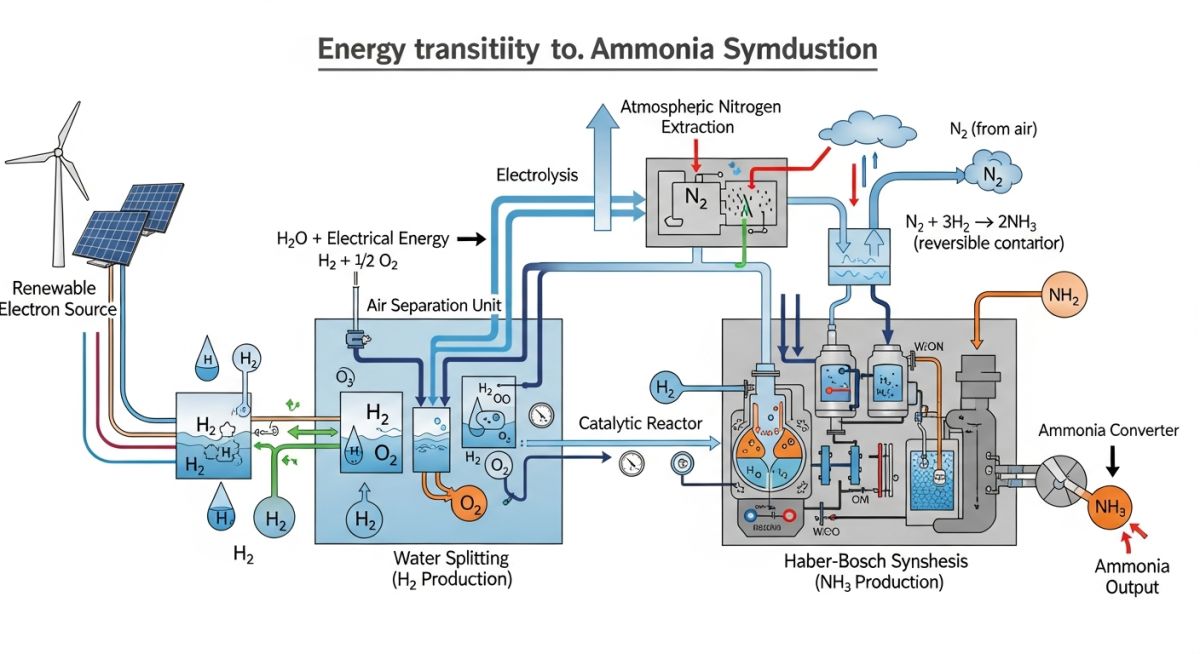
At the heart of Green Hydrogen and Green Ammonia Energy Carriers lies the electrolyzer. This is an electrochemical device that utilizes a DC current to drive the non-spontaneous dissociation of water into its constituent elements. From an engineering perspective, there are three primary technologies currently vying for dominance in the green energy market:
- Proton Exchange Membrane (PEM): Known for its high current density and ability to respond rapidly to the fluctuating output of wind and solar farms. It uses a solid polymer electrolyte and precious metal catalysts.
- Alkaline Electrolysis (AEL): The most mature and cost-effective technology, utilizing a liquid alkaline solution (typically KOH). While slower to ramp up than PEM, its durability and lower CAPEX make it ideal for steady-state industrial applications.
- Solid Oxide Electrolysis (SOEC): An emerging high-temperature technology that offers the highest electrical efficiency, especially when integrated with waste heat from industrial processes like steel or glass manufacturing.
From Gas to Liquid: The Synthesis of Green Ammonia
While hydrogen is the primary molecule, its low volumetric density at standard conditions makes it an engineering nightmare to transport over oceans. This is where Green Ammonia enters the fray. By taking Green Hydrogen and combining it with Nitrogen (sourced from the air via a Nitrogen Recovery Unit), we create Ammonia (NH3) via the Haber-Bosch process.
Traditionally, Haber-Bosch is a high-pressure (150-250 bar) and high-temperature (400-500°C) operation that relies on steady fossil fuel inputs. Transitioning to Green Ammonia requires flexible Haber-Bosch loops that can handle the variability of renewable-derived hydrogen. Engineering innovations in catalyst development and small-scale, modular synthesis units are currently the focus of global R&D to make this carrier commercially viable. Ammonia is significantly easier to liquefy than hydrogen, requiring only -33°C (standard pressure) or moderate pressure at ambient temperatures, making it the superior “carrier” for global trade.
The Efficiency Paradox: Why Green Hydrogen Beats Batteries
When evaluating Green Hydrogen and Green Ammonia Energy Carriers, engineers often highlight the 30–40% round-trip efficiency, which seems poor compared to the 90% efficiency of Lithium-ion batteries. However, we accept these losses because hydrogen solves the “Summer-to-Winter” problem. Batteries suffer from self-discharge and high costs at scale, whereas hydrogen gas remains stable in salt caverns or pressurized vessels for months, offering Strategic & Seasonal Storage that batteries cannot match.
Industrial “Feedstock” (Direct Use)
In these sectors, we avoid the 30% conversion loss by using the molecule as a chemical reactant rather than turning it back into electricity.
- Green Steel: Acts as a “reductant” to strip oxygen from iron ore, releasing H2O instead of CO2.
- Fertilizer: Combines with Nitrogen to create carbon-free ammonia for global agriculture.
Heavy Transport & High Heat
Hydrogen and Ammonia provide the energy density required for missions where batteries are physically too heavy.
- Maritime/Aviation: High MJ/kg ratio allows for 30-day ocean crossings without losing cargo space.
- High-Grade Heat: Capable of generating 1,000°C+ for cement and glass manufacturing.
Technical Distinction: Carrier vs. Fuel
To master the 2026 energy transition, engineers must distinguish between the transport method (Carrier) and the energy release method (Fuel).
| Molecule | Used as a Carrier (Logistics) | Used as a Fuel (End-Use) |
|---|---|---|
| Green Hydrogen (H2) | Regional Pipeline Distribution | Fuel Cells (Cars/Buses) or Gas Turbines. |
| Green Ammonia (NH3) | Global Oceanic Shipping (-33°C) | Direct Marine ICE Combustion or “Cracking” for Industry. |
The Maritime Shift: Ammonia-Ready Engines
In 2026, the transition in shipping is focusing on Dual-Fuel Internal Combustion Engines (ICE). Companies like Wärtsilä and MAN Energy Solutions are deploying engines that burn a small amount of “pilot fuel” (diesel) to initiate combustion of the primary Green Ammonia charge.
2026 Industry Milestone
The Viking Energy, the world’s first ammonia-powered vessel in active service, marks the shift toward large-scale ammonia utilization. With an energy density of 18.6 MJ/kg (vs. 0.5 MJ/kg for batteries), ammonia allows for trans-oceanic voyages that were previously impossible for electrified vessels.
Why Green Hydrogen is “Stored Energy” and How We Retrieve It
In the engineering world, Green Hydrogen is often described as a “chemical battery.” It serves as a medium to capture surplus renewable energy—electrons that would otherwise be curtailed (wasted) due to grid congestion—and locks them into chemical bonds. This pressurized gas represents potential energy, essentially “trapped” wind or solar power waiting for deployment.
1. The Storage Phase (Charging)
Generation: Excess renewable electricity drives an electrolyzer to split H2O.
Compression: Due to its low volumetric density, hydrogen is compressed into high-pressure vessels (350–700 bar) or carbon-composite tanks to store a functional energy payload in a manageable footprint.
2. The Retrieval Phase (Discharging)
Hydrogen Fuel Cells: The most efficient recovery method (~60%). Stored H2 reacts with atmospheric oxygen to force electrons through a circuit, creating DC electricity with only water and heat as byproducts.
Gas Turbines: For utility-scale power, pressurized hydrogen is burned in modified turbines to spin generators, enabling the decarbonization of legacy natural gas assets.
Summary of the “Round-Trip” Cycle
| Step | Action | State of Energy |
|---|---|---|
| 1. Input | Solar/Wind Power | Electrical Energy |
| 2. Conversion | Electrolysis | Chemical Energy (H2 Bond) |
| 3. Storage | Compression in Vessels | Potential Energy (Pressure) |
| 4. Output | Fuel Cell / Turbine | Electrical / Mechanical Energy |
Engineering Note on Efficiency: While versatile, the “Power-to-Gas-to-Power” round-trip typically yields only 30–40% efficiency. Every stage—electrolysis, compression, and reconversion—introduces thermodynamic losses. Precision engineering in heat recovery is essential to make these energy carriers economically competitive.
Why Green Hydrogen and Green Ammonia are the Ultimate Energy Carriers
The fundamental engineering challenge of the 2026 energy landscape is the geographic mismatch between renewable energy potential and industrial demand. Green Hydrogen and Green Ammonia Energy Carriers solve this by acting as “chemical batteries” with far higher energy storage capacities than lithium-ion systems. While a battery might store energy for hours, these molecules can store gigawatt-hours of energy for months with zero self-discharge, facilitating seasonal energy shifting.
From a logistics standpoint, the “Carrier” designation is earned through versatility. Green Ammonia, in particular, leverages the existing global infrastructure of over 120 ports equipped with ammonia terminals. This allows for the immediate scaling of zero-carbon fuel distribution without waiting for the multi-decade build-out of liquid hydrogen infrastructure, which requires exotic materials to prevent hydrogen embrittlement and boil-off.
Storage Comparison: Green Hydrogen vs. Green Ammonia
Choosing the right carrier depends on the specific use case, transport distance, and end-use purity requirements. The following data highlights the critical engineering trade-offs between the two primary energy carriers.
| Property | Liquid Green Hydrogen (LH2) | Liquid Green Ammonia (NH3) |
|---|---|---|
| Storage Temperature | -253°C (Cryogenic) | -33°C (Refrigerated) |
| Volumetric Energy Density | 8.5 MJ/L | 12.7 MJ/L |
| Gravimetric Energy Density | 120 MJ/kg | 18.6 MJ/kg |
| Boil-off Rate (Daily) | 0.1% – 1.0% (High) | Negligible (Low) |
Safety Standards and ISO Regulations for Green Energy Carriers
As we scale Green Hydrogen and Green Ammonia Energy Carriers, compliance with international engineering standards is non-negotiable. Designing high-pressure electrolysis and cryogenic storage systems requires strict adherence to:
- ISO/TC 197: Specifically governs Hydrogen technologies, including water electrolysis and refueling stations.
- ASME B31.12: The standard for Hydrogen Piping and Pipelines, addressing the unique challenges of hydrogen embrittlement in carbon steel.
- API RP 520/521: Essential for pressure-relieving systems in Green Ammonia synthesis plants and storage facilities.
- ISO 23222: Emerging standards for the maritime transport of ammonia as a fuel, focusing on leak detection and toxicity mitigation.
Energy Carrier Payload Calculator
Compare the transport efficiency of Green Hydrogen and Green Ammonia Energy Carriers based on your storage volume.
Total Energy Transported (GJ)
*Calculations based on LHV: LH2 @ 8.5 MJ/L and LNH3 @ 12.7 MJ/L. System efficiency accounts for boil-off and handling losses.
Green Hydrogen and Green Ammonia Energy Carriers Failure Case Study
The Challenge: Hydrogen Embrittlement in Repurposed Pipelines
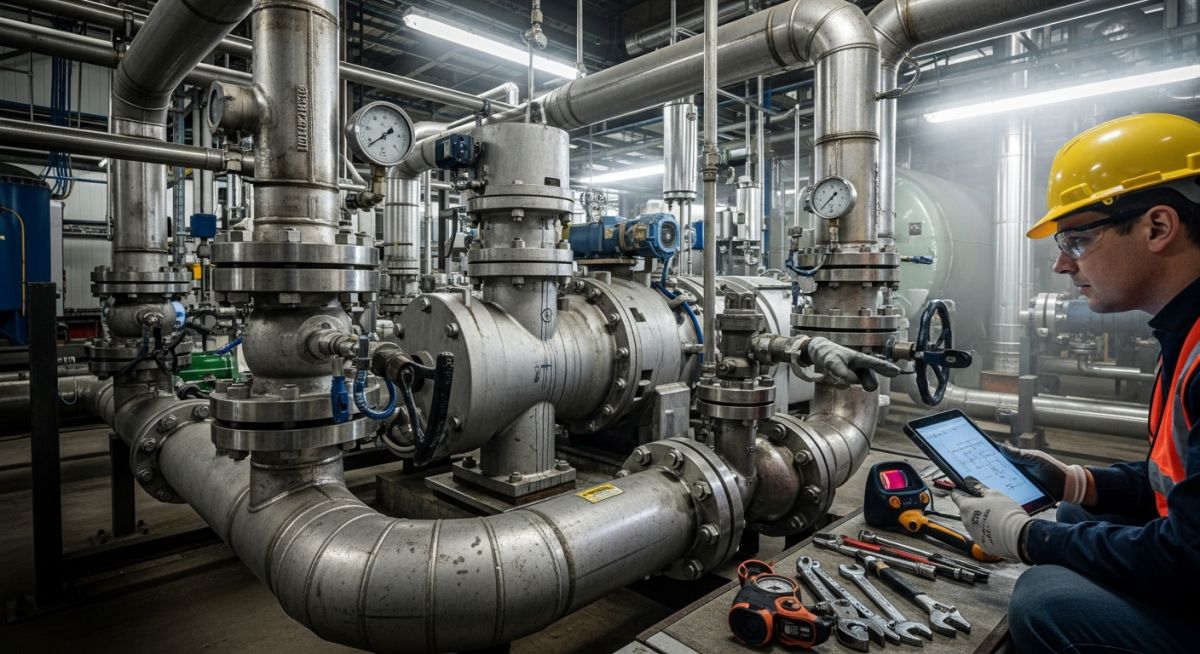
In a 2025 pilot project in Northern Europe, an existing natural gas pipeline was repurposed to transport 100% Green Hydrogen. Within six months, ultrasonic testing revealed micro-cracking at longitudinal weld seams. This phenomenon, known as Hydrogen-Induced Cracking (HIC), occurred because the legacy carbon steel was not rated for the unique atomic diffusion properties of high-pressure hydrogen molecules.
The engineering team faced a critical decision: decommission the line or pivot to a more stable energy carrier. The high cost of internal polymer lining for hydrogen made the project economically unviable.
The Solution: The Ammonia Pivot
By converting the terminal to produce Green Ammonia, the project utilized the pipeline’s existing metallurgical tolerance for liquid chemicals. Since ammonia does not cause the same level of embrittlement in standard carbon steels as pure hydrogen, the infrastructure was saved. This case study underscores why Green Hydrogen and Green Ammonia Energy Carriers must be selected based on existing infrastructure compatibility, not just theoretical energy density.
Technical Breakdown
- Primary Failure: Hydrogen-Induced Cracking (HIC) in API 5L Grade B steel.
- Pressure Variable: Operated at 70 Bar (exceeding safe H2 limits for legacy welds).
- Mitigation: Shift to NH3 carrier at 15 Bar (Liquid state).
- Economic Impact: 40% reduction in O&M costs compared to H2-specific upgrades.
Expert Insights: Lessons from 20 years in the field
- System Integration is King: The efficiency of Green Hydrogen and Green Ammonia Energy Carriers depends entirely on heat integration. Using waste heat from the Haber-Bosch loop to pre-heat electrolyzer feed water can boost overall plant efficiency by up to 15%.
- Materials Matter: Never underestimate hydrogen embrittlement. When designing for Green Hydrogen, specify 316L stainless steel or specialized polymer liners to avoid catastrophic fatigue in high-pressure manifolds.
- The “Cracking” Bottleneck: While ammonia is easier to ship, the energy penalty of “cracking” it back into hydrogen at the destination is significant (approx. 20-30%). Always evaluate if the end-user can burn ammonia directly to avoid this loss.
- Safety Distance: Ammonia’s toxicity requires significantly larger safety buffer zones compared to hydrogen. Site layout and prevailing wind directions are critical engineering parameters for Green Ammonia storage terminals.
Frequently Asked Questions
What makes hydrogen “Green” versus “Blue” or “Grey”? ▼
It comes down to the feedstock and carbon footprint. Grey is from natural gas (SMR), Blue is SMR with Carbon Capture, and Green Hydrogen is produced via electrolysis powered by 100% renewable electricity with zero CO2 emissions.
Is Green Ammonia toxic to handle? ▼
Yes, ammonia is a hazardous, pungent gas at ambient conditions. However, the industry has over 100 years of experience handling it safely as a fertilizer feedstock. Proper leak detection and anhydrous ammonia safety protocols make it a viable energy carrier.
Can I use existing natural gas pipelines for these carriers? ▼
Partially. Most pipelines can handle a 10-20% blend of Green Hydrogen. For 100% H2, metallurgical upgrades are usually required. Green Ammonia is typically transported via dedicated liquid pipelines or ships rather than gas grids.
Why not just use batteries for everything? ▼
Batteries are excellent for short-term, small-scale storage. However, for “Hard-to-Abate” sectors like trans-oceanic shipping or steel production, the weight and discharge rates of batteries are impractical. Green Hydrogen and Green Ammonia Energy Carriers provide the necessary energy density.
What is the “Haber-Bosch” process in the green context? ▼
Traditionally, it uses fossil fuels to create high heat and pressure to combine H2 and N2. In the context of Green Ammonia, the process is powered by renewable electricity and uses Green Hydrogen as the feedstock, making the resulting NH3 carbon-free.
How is the Nitrogen for Green Ammonia sourced? ▼
Nitrogen is sourced directly from the atmosphere (which is 78% nitrogen) using an Air Separation Unit (ASU). When powered by renewables, this completes the 100% green supply chain for energy carriers.
References & Standards