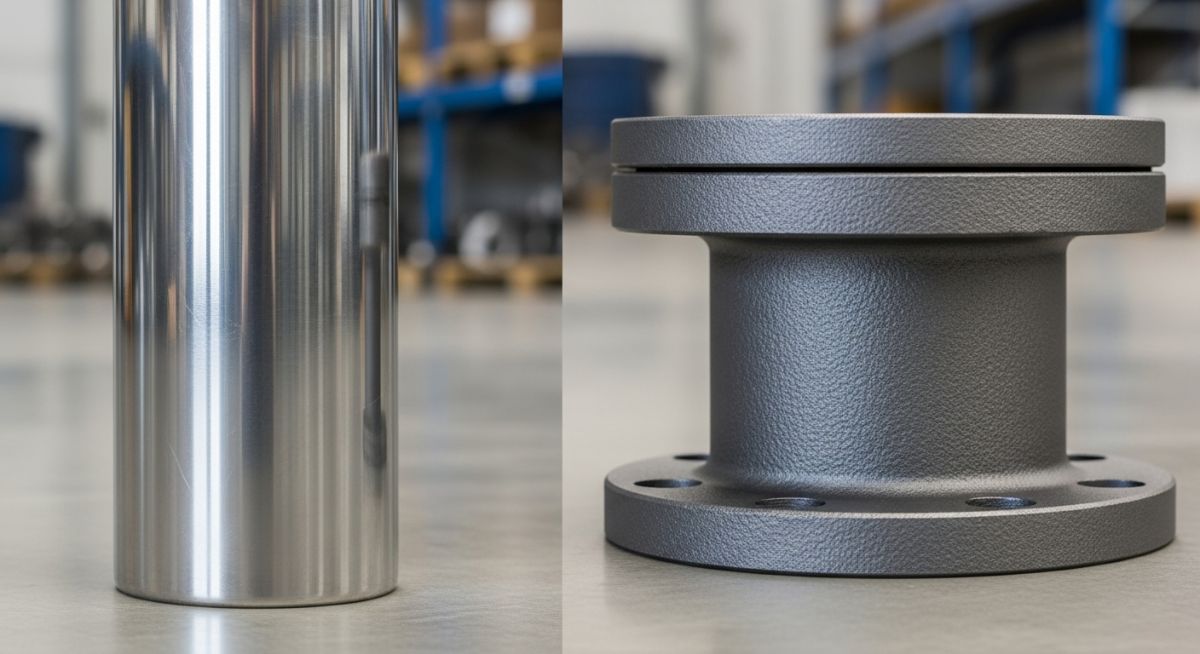
Differences between Stainless Steel and Alloy Steel: Stainless Steel vs Alloy Steel Guide (2026)
Stainless Steel vs Alloy Steel represents the most critical material selection decision in modern industrial engineering, impacting everything from chemical plant longevity to structural integrity. Understanding the metallurgical nuances between these two categories is essential for meeting ASME B31.3 and ASTM design requirements in 2026.
Executive Summary: Stainless Steel vs Alloy Steel
The fundamental difference between Stainless Steel vs Alloy Steel is corrosion resistance versus mechanical versatility. Stainless steel requires a minimum of 10.5 percent Chromium to form a protective oxide layer. Alloy steel uses elements like Molybdenum, Manganese, or Vanadium to specifically enhance hardness, tensile strength, and high-temperature creep resistance.
Metallurgy Proficiency Quiz
Question 1 of 5Quiz Complete!
Complete Course on
Piping Engineering
Check Now
Key Features
- 125+ Hours Content
- 500+ Recorded Lectures
- 20+ Years Exp.
- Lifetime Access
Coverage
- Codes & Standards
- Layouts & Design
- Material Eng.
- Stress Analysis
What is Stainless Steel and the Chromium Oxide Passive Layer?
In the context of Stainless Steel vs Alloy Steel, stainless steel is defined primarily by its exceptional resistance to oxidation. Classified under standards such as ASTM A312 and ASME SA240, this material must contain a minimum of 10.5 percent Chromium. The defining characteristic is the formation of a Chromium Oxide Passive Layer, a microscopic, self-healing film that prevents oxygen from reaching the underlying iron.
Commonly used in 2026 for hygienic and corrosive environments, stainless steel is categorized into four main families:
- Austenitic: Non-magnetic, high nickel content (e.g., Grade 304, 316L).
- Ferritic: Magnetic, high chromium, low carbon (e.g., Grade 430).
- Martensitic: High hardness, heat-treatable (e.g., Grade 410).
- Duplex: A hybrid of austenitic and ferritic structures for extreme strength and stress corrosion resistance.
What is Alloy Steel and its Heat Treatment & Hardenability?
When analyzing Stainless Steel vs Alloy Steel, alloy steel is engineered for mechanical performance rather than pure corrosion resistance. These steels are infused with elements such as Manganese, Silicon, Nickel, Copper, and Chromium (in amounts less than 10.5 percent) to modify their physical properties.
The primary advantage of alloy steel lies in its Heat Treatment & Hardenability. By adjusting the cooling rates (quenching) and reheating (tempering), engineers can achieve specific levels of toughness and ductility that stainless steel often cannot match at the same price point. Low-alloy steels, such as those governed by ASTM A335 Grade P11, are the backbone of high-pressure steam systems in 2026.
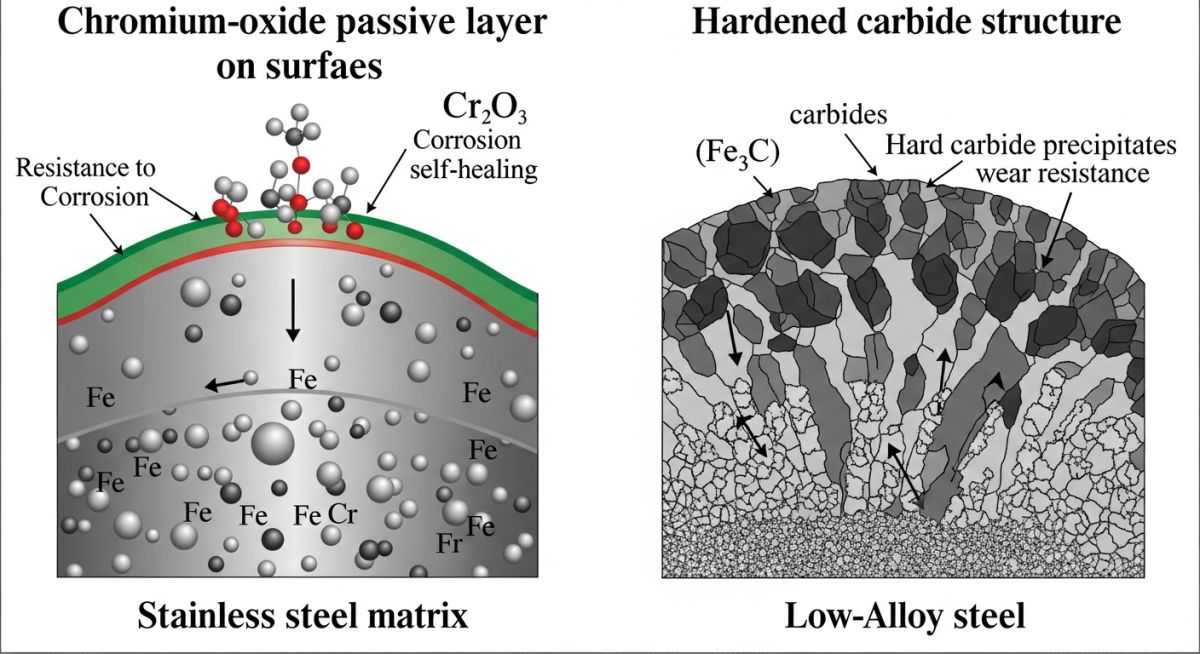
Figure 1: Comparative Microstructure and Surface Protection Mechanisms.
Stainless Steel vs Alloy Steel: Core Differences in Chemical Composition
The fundamental divergence in Stainless Steel vs Alloy Steel occurs at the molecular level. While both are iron-based, the additives serve different masters: environmental protection versus structural capacity.
Chromium & Nickel Content in Stainless Steel
In Stainless Steel, Chromium is the primary alloying agent. Nickel is often added (especially in 300-series steels) to stabilize the austenitic phase, making the metal more ductile and resistant to acids. For instance, Grade 316 contains 2 percent Molybdenum specifically to combat chloride-induced pitting.
Molybdenum & Vanadium Additives in Alloy Steel
In Alloy Steel, elements like Molybdenum and Vanadium are utilized to increase the "creep" resistance—the tendency of metal to slowly move or deform under high stress at high temperatures. These additives ensure that the steel maintains its grain structure under the intense heat of power plant boilers or turbine components.
Stainless Steel vs Alloy Steel: Mechanical Characteristics & Performance
Choosing between Stainless Steel vs Alloy Steel requires a deep dive into mechanical limits. In many 2026 industrial projects, the decision is dictated by the ASME Boiler and Pressure Vessel Code (BPVC) section II, which lists the allowable stress values for each material.
Tensile Strength & Yield Ratios Comparison
The Tensile Strength & Yield Ratios of alloy steel are generally more customizable. While standard austenitic stainless steel (like 304) has high ductility but relatively low yield strength (approx 30,000 PSI), high-strength low-alloy (HSLA) steels can be engineered to achieve yield strengths exceeding 100,000 PSI. This makes alloy steel the superior choice for heavy structural loads where corrosion is not the primary threat.
Corrosion Resistance: Stainless Steel vs Alloy Steel Performance
The durability of a material in aggressive environments is the primary differentiator when comparing Stainless Steel vs Alloy Steel. While alloy steels are susceptible to uniform corrosion (rusting) if not coated, stainless steels utilize their internal chemistry to resist environmental degradation.
Intergranular Corrosion & Oxidation in High-Temperature Service
In 2026, engineering specifications for high-heat applications focus on Intergranular Corrosion & Oxidation. Stainless steels, particularly the L-grades like 316L, are designed with lower carbon to prevent chromium carbide precipitation at grain boundaries during welding. Conversely, alloy steels like P91 rely on a stable martensitic microstructure to resist oxidation at temperatures where standard stainless might experience creep-related failures.
Engineering Standards: Stainless Steel vs Alloy Steel Code Compliance
Global engineering projects must adhere to strict codes to ensure safety. The ASME B31.3 process piping code provides distinct allowable stress tables for both categories, reflecting their unique thermal and mechanical profiles.
ASTM A312 (Stainless) vs. ASTM A335 (Alloy) Standards
The most common comparison in 2026 industrial procurement is between ASTM A312 (Seamless/Welded Stainless) and ASTM A335 (Seamless Ferritic Alloy). While ASTM A312 is the go-to for chemical resistance, ASTM A335 provides the required wall thickness and high-temperature stability for power generation and steam distribution systems.
| Property (2026 Metrics) | Stainless Steel (316L) | Alloy Steel (4140/P22) |
|---|---|---|
| Chromium Content | 16.0 - 18.0 percent | 0.8 - 2.5 percent |
| Tensile Strength (MPa) | 485 - 515 | 650 - 1000+ (Heat Treated) |
| Corrosion Protection | Inherent Passive Layer | Requires Coating/Lining |
| Typical ASME Code | ASME B31.3 / BPVC II-D | ASME B31.1 / B31.3 |
| Estimated Cost Index | 3x - 5x (High) | 1x (Baseline) |
Technical Analysis: Thermal Expansion and Stress Calculation
When designing systems using Stainless Steel vs Alloy Steel, engineers must account for the Coefficient of Thermal Expansion (CTE). Austenitic stainless steel expands significantly more than alloy steel, which can lead to fatigue at welded transitions.
Linear Expansion Calculation (Le):
Le = L0 α (T2 - T1)
Where:
L0 = Initial length of pipe
α = Coefficient of Thermal Expansion (Stainless ≈ 17.3 x 10⁻⁶ / K vs. Alloy ≈ 11.5 x 10⁻⁶ / K)
T2 - T1 = Temperature differential
Note: The higher expansion of Stainless Steel necessitates more robust expansion loops in piping systems governed by ASME B31.3.
Global Industrial Use: Stainless Steel vs Alloy Steel Applications
The decision of Stainless Steel vs Alloy Steel is often a trade-off between initial capital expenditure (CAPEX) and long-term operating expenditure (OPEX).
Critical Piping Systems (ASME B31.3) and Structural Design
In the 2026 petrochemical sector, Stainless Steel is mandatory for fluid services where the pH is low or where chloride levels could lead to rapid failure of carbon or alloy steels. Conversely, for the structural frame of offshore platforms, high-strength Alloy Steel is preferred to minimize weight while maintaining the necessary yield ratios for seismic and wave loading.
Structural & Automotive Use Cases
In automotive engineering, alloy steels like Chrome-Moly (4130) are used for roll cages and chassis components due to their superior strength-to-weight ratio. Stainless steel is reserved for exhaust components where oxidation resistance is the primary requirement.
Stainless Steel vs Alloy Steel Calculator
Use this engineering tool to calculate the Linear Thermal Expansion differential between materials. This is critical for 2026 piping stress analysis under ASME B31.3 protocols.
Values based on 2026 Average Coefficient (α x 10-6)
Calculated Linear Expansion
0.000 mm
Engineering Insight: For Stainless Steel vs Alloy Steel designs, note that stainless expands approx 1.5x more than alloy steel. Ensure your expansion loops and bellows are sized correctly according to the 2026 edition of the ASME standards.
Don't miss this video related to Stainless Steel vs Alloy Steel

Summary: Master Piping Engineering with our complete 125+ hour Certification Course: ......
Weldability and PWHT: Stainless Steel vs Alloy Steel Procedures
In 2026, the welding complexity of Stainless Steel vs Alloy Steel remains a primary concern for quality control engineers. While both materials are weldable, the thermal management required to maintain structural integrity and corrosion resistance differs significantly between the two.
Carbon Equivalency and Preheating in Alloy Steel
For Alloy Steel, particularly high-strength variants like AISI 4140 or P91, the primary risk is hydrogen-induced cracking (HIC). Engineers must calculate the Carbon Equivalent (CE) to determine necessary preheat temperatures. According to 2026 standards, preheating ensures a slower cooling rate, preventing the formation of brittle martensite in the heat-affected zone (HAZ).
Sensitization and Intergranular Corrosion in Stainless Steel
When welding Stainless Steel, the challenge is the opposite: keeping the material cool. Excessive heat input during the welding of 300-series stainless can lead to sensitization, where chromium carbides precipitate at the grain boundaries, leaving the surrounding areas depleted of chromium and vulnerable to Intergranular Corrosion. This is why 2026 specifications strictly limit "interpass temperatures" for stainless steel to 150 degrees Celsius.
Key Comparison: Post-Weld Heat Treatment (PWHT)
- Alloy Steel: Usually requires PWHT (Stress Relieving) to restore ductility and reduce internal stresses.
- Stainless Steel: Generally does NOT require PWHT; in fact, improper heat treatment can destroy the Chromium Oxide Passive Layer.
Case Study: Material Failure Analysis in Stainless Steel vs Alloy Steel Systems
In a 2026 engineering audit of a Gulf Coast petrochemical facility, a critical heat exchanger system failed within 18 months of commissioning. This real-world scenario highlights the severe consequences of choosing the wrong metallurgical grade when evaluating Stainless Steel vs Alloy Steel for high-chloride environments.
Project Data
- Application: Saltwater Cooling Loop
- Initial Material: ASTM A335 Grade P22 (Low Alloy Steel)
- Operating Temperature: 250 Degrees Celsius
- Estimated Cost: 12,500 USD per unit
Failure Analysis
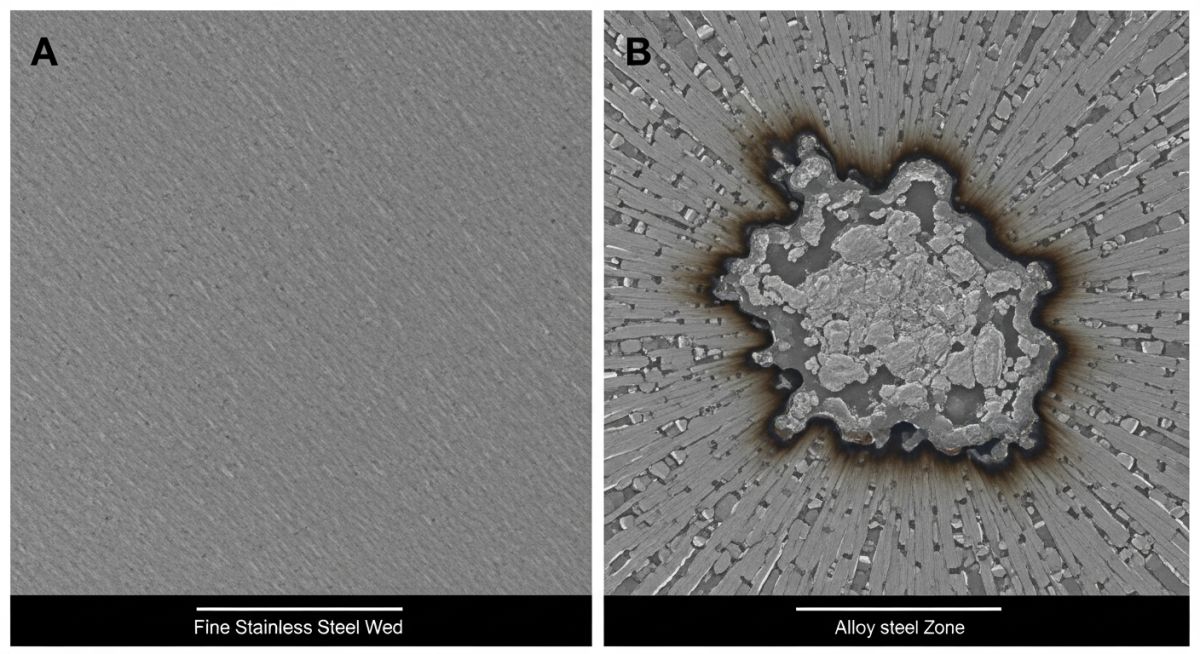
The alloy steel piping suffered from aggressive pitting corrosion and wall thinning. Despite its superior mechanical strength, the P22 alloy lacked sufficient Chromium to form a protective barrier against the high chloride concentrations in the cooling water.

Figure 2: Microscopic view of P22 Alloy Steel degradation vs. stable 316L Stainless Steel surface.
Engineering Fix & Material Upgrade
The technical architect recommended a full replacement using ASTM A312 TP316L (Stainless Steel). Although the initial procurement cost increased to 45,000 USD, the 316L grade provided the necessary 2.0 to 3.0 percent Molybdenum content required to resist chloride-induced stress corrosion cracking.
Lessons Learned for 2026 Designs:
- CAPEX vs OPEX: While alloy steel was 70 percent cheaper initially, the failure cost (including downtime) exceeded 250,000 USD.
- Environment First: Mechanical strength in alloy steel is irrelevant if the chemical environment triggers rapid oxidation.
- Code Compliance: Always cross-reference the 2026 ASME B31.3 Appendix A tables for fluid service limitations of low-alloy steels in saltwater service.
Frequently Asked Questions: Stainless Steel vs Alloy Steel
Which material offers better Austenitic vs Martensitic Microstructure stability?
The choice depends on the application. Austenitic stainless steels (300 series) provide superior ductility and corrosion resistance due to high nickel content. However, Martensitic alloy steels are preferred when high hardness and wear resistance are required, as they can be heat-treated to achieve specific mechanical properties that austenitic grades cannot reach.
How does the Chromium Oxide Passive Layer differ from standard alloy coatings?
The Chromium Oxide Passive Layer is an inherent, self-healing chemical property of stainless steel containing over 10.5 percent Chromium. In contrast, alloy steel lacks this internal protection and usually requires external coatings (like galvanizing or specialized painting) to prevent oxidation and structural degradation over time.
Why is Tensile Strength & Yield Ratios critical in material selection?
In 2026 structural engineering, Tensile Strength & Yield Ratios determine the load-carrying capacity of a component. Alloy steels generally offer higher yield strengths relative to their weight, making them ideal for heavy machinery and structural beams. Stainless steel is often selected for its elongation and energy absorption qualities rather than pure yield strength.
Can Intergranular Corrosion & Oxidation be prevented in alloy steels?
Intergranular Corrosion & Oxidation are primarily managed in alloy steels through the addition of stabilizing elements like Vanadium or Molybdenum and strict adherence to post-weld heat treatment (PWHT). In stainless steel, using L-grades (Low Carbon) is the standard method to prevent sensitization during the welding process.


