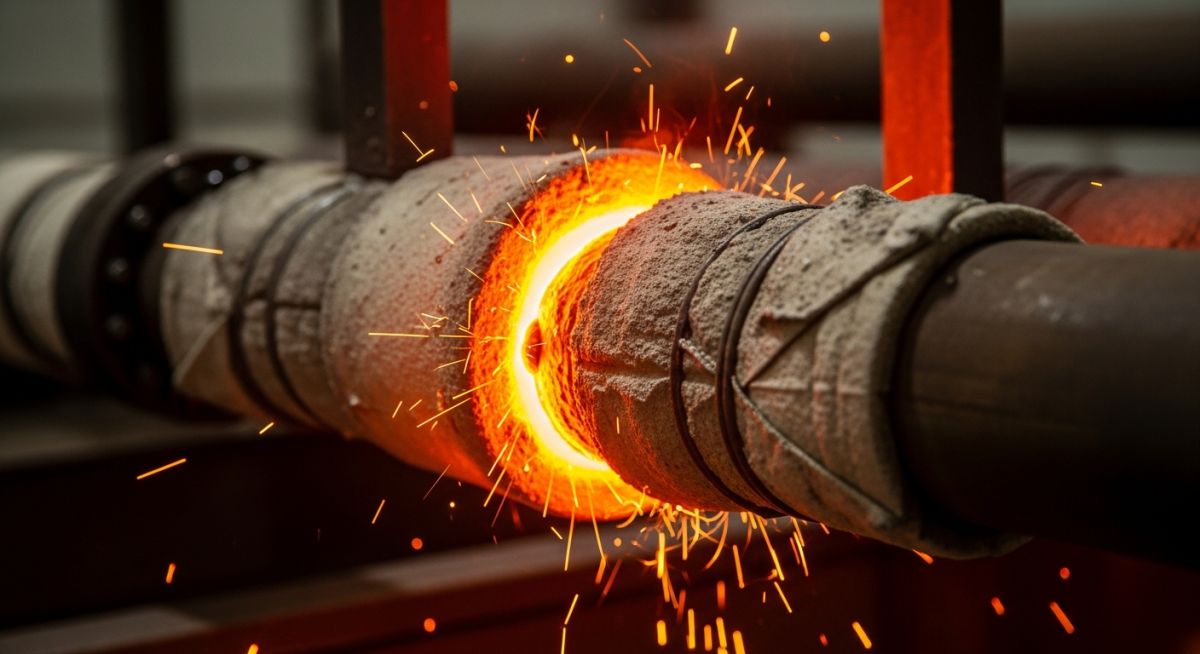
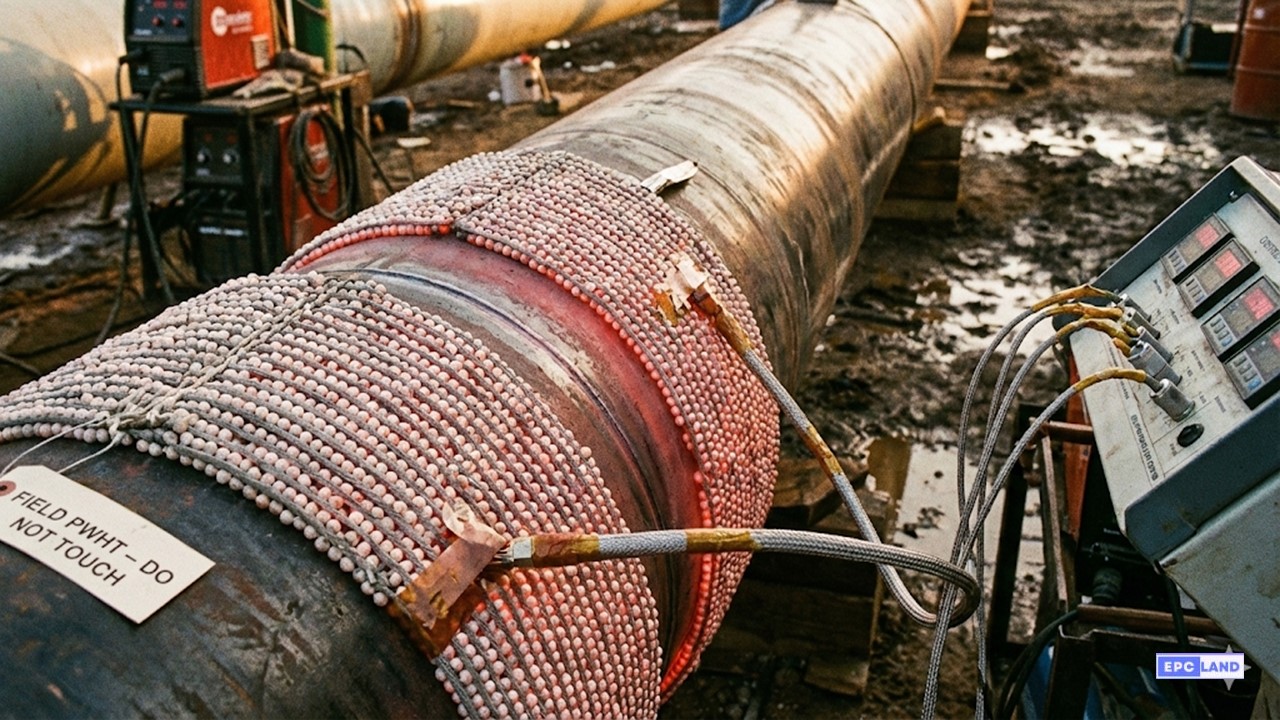
Master ASME B31.3: Process Piping Code Fundamentals Master ASME B31.3: Process Piping Code Fundamentals An experienced piping engineer, Sarah, was tasked with designing a critical process piping system for a new chemical plant. She needed to ensure strict compliance with ASME B31.3 to avoid costly errors and ensure operational safety. Despite years in the industry, the nuances of material selection, PWHT exemptions, and impact testing requirements for various fluid categories felt overwhelming. She sought a practical, focused program to solidify her understanding and confidently apply the code's most critical aspects. Ready to apply this knowledge? Enroll in the course and start building your expertise today. Enroll Now Who is This Course For? Piping Engineers & Designers: Professionals directly involved in the design and layout of piping systems in various industrial sectors. Mechanical Engineers: Engineers working within the Oil & Gas, Power, or Chemical Industries who require a strong foundation in piping codes. QA/QC Engineers & Inspectors: Quality assurance and control personnel responsible for ensuring compliance and inspecting piping installations. Project Engineers & Engineering Students: Individuals managing projects or students looking to gain specialized knowledge and prepare for industry roles or interviews related to ASME codes. What Will You Learn? Overview of ASME B31.3: Scope, definitions, and code structure Pipe & fitting selection: Key failure factors & material considerations Material behavior: Stress-strain, fatigue, creep, brittle vs ductile Allowable stresses: Understanding limits & code clauses Post Weld Heat Treatment: Requirements, exemptions & table 331.1.1 Impact Testing: Toughness requirements, exemptions & acceptance criteria Flange & joint selection: Gaskets, bolting, and rating compatibility Fluid categories and their impact on design and material choice Free Demo Classes Introduction Section: Basic Definitions and Standards Understanding Material Behaviour & Allowable Stress: Understanding Material Behavior Post Weld Heat Treatment (PWHT): PWHT Overview of ASME B31.3 Clauses Impact Testing: Impact Testing: Requirements & Acceptance Criteria What Past Students Are Saying "This ASME B31.3 course demystified complex sections like Post Weld Heat Treatment and Impact Testing. The practical examples made the code immediately applicable to my daily design challenges, saving my team significant rework on a major petrochemical project." Rajesh Kumar, Senior Piping Design Lead "As a QA/QC engineer, understanding the intricacies of ASME B31.3 is paramount. This program provided a clear, concise breakdown of material selection and allowable stresses, directly enhancing my ability to identify potential non-conformances during inspection." Priya Sharma, QA/QC Engineer Ready to fast-track your career? Dive into the most comprehensive course on the market. Explore the Complete Piping Engineering Course Frequently Asked Questions What is the primary focus of ASME B31.3? ASME B31.3 primarily focuses on the design, fabrication, examination, inspection, and testing of piping systems typically found in petroleum refineries, chemical, pharmaceutical, textile, paper, and cryogenic plants, and related process facilities. How does ASME B31.3 address fluid categorization? ASME B31.3 categorizes fluids to determine the stringency of design, fabrication, examination, and testing requirements, based on their toxicity, flammability, and potential for harm. What is Post Weld Heat Treatment (PWHT) and why is it important in ASME B31.3? PWHT is a controlled heating and cooling process applied to a welded joint to improve its mechanical properties and reduce residual stresses. ASME B31.3 specifies requirements and exemptions for PWHT to ensure the integrity and longevity of piping systems. What are allowable stresses in ASME B31.3 and how are they determined? Allowable stresses are the maximum permissible stresses that a material can withstand under various operating conditions. In ASME B31.3, these values are established based on material properties, temperature, and specific code clauses to ensure safe design. How does this course help in understanding the differences between ASME B31.1 and ASME B31.3? The course explicitly covers the key differences between ASME B31.1 (Power Piping) and ASME B31.3 (Process Piping), highlighting variations in scope, design considerations, and application areas. Additional Learning Resources Day-1 of 30: English: ASME B31.3 Introduction: Overview & Significance of Process Piping Code 12 Major Differences II ASME B31.1 & ASME B31.3 II Various Clauses II Both Codes Day-2 of 30: English: ASME B31.3 Materials: Selection, Standards, and Traceability Day-3 of 30: English: Pressure Design of Piping: Basics and Equations (ASME B31.3) About EPCLAND EPCLAND is a dedicated platform for piping engineering professionals, offering in-depth courses, tools, and insights to bridge the gap between academic theory and on-site practice. With a team of experienced engineers and educators, EPCLAND shares real-world knowledge through blogs, videos, and structured learning programs to empower the global engineering community. About the Author Atul Singla is a PMP-certified piping engineer with over 20 years of experience across the oil & gas, petrochemical, and energy sectors. He is the founder of EPCLAND — a platform created to transform the way engineers learn piping design, layout, materials, and stress analysis. Atul is passionate about making industrial engineering education accessible, hands-on, and globally relevant.