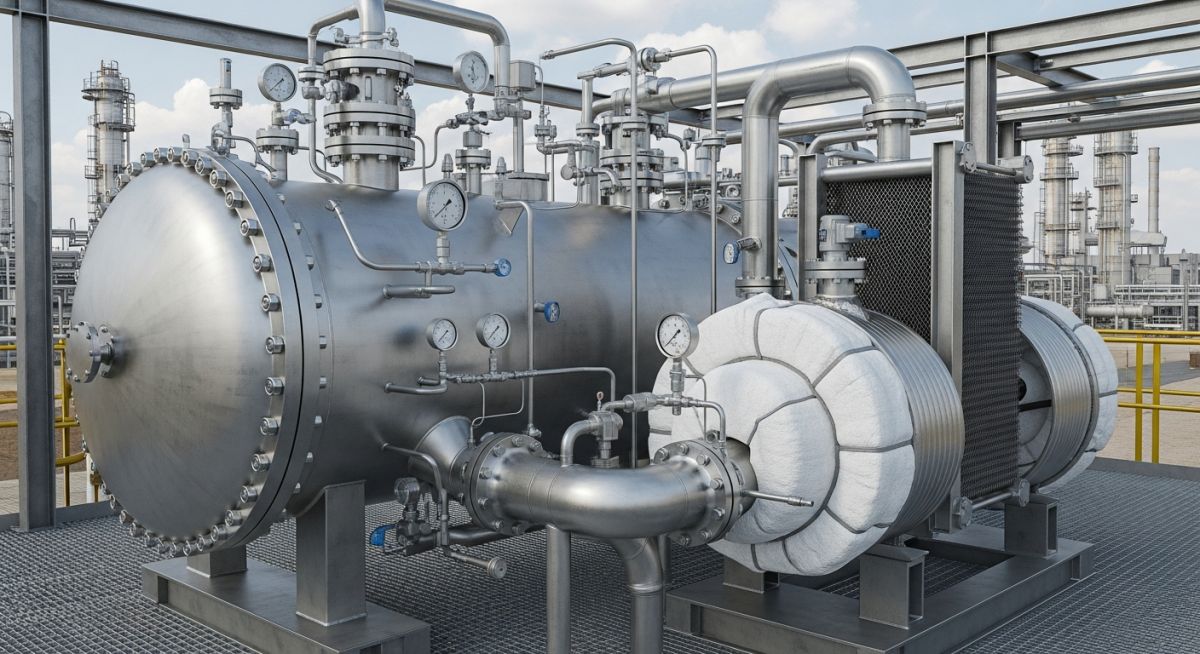
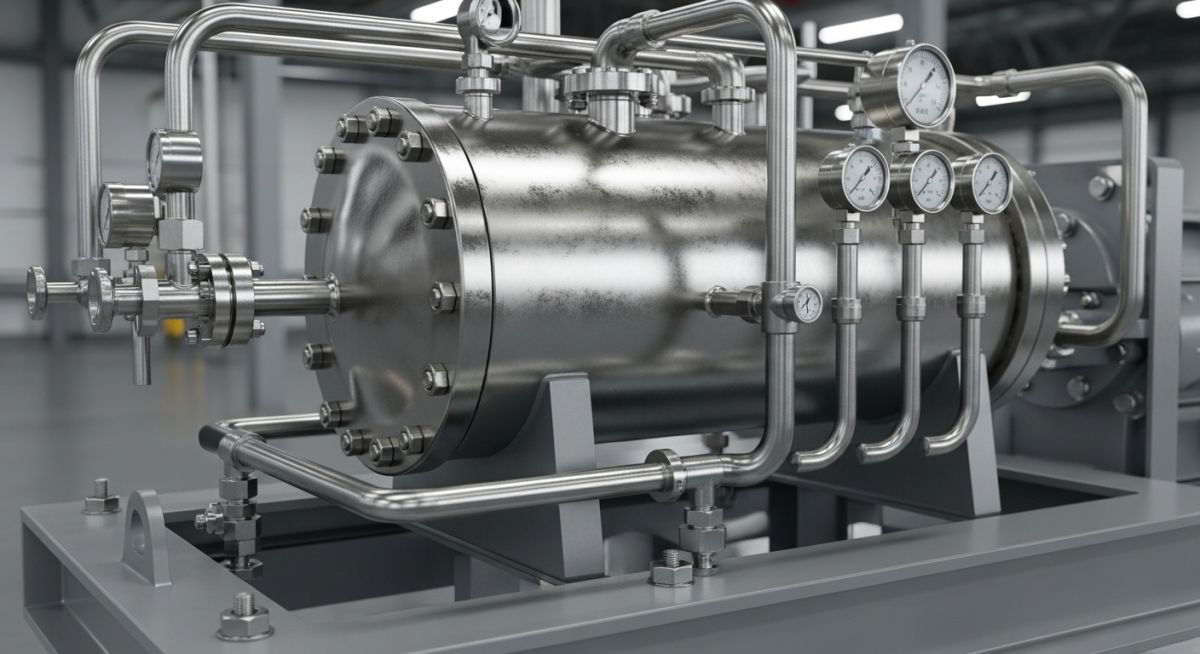
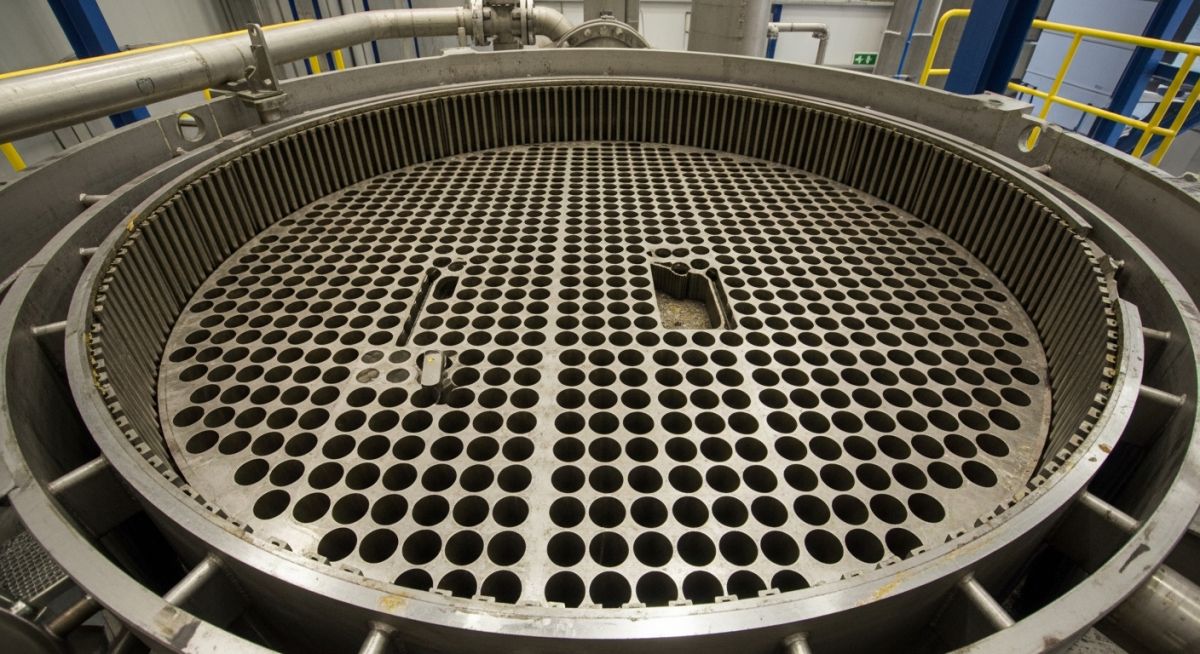
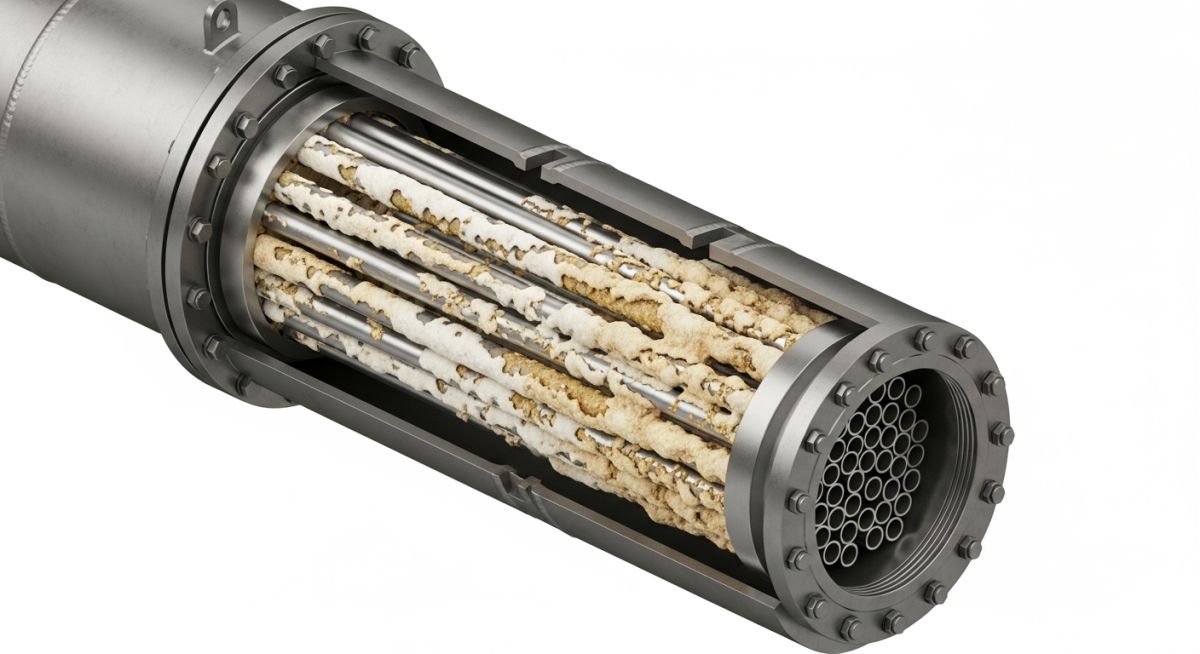
Verified by Epcland Engineering Board 2026 Parts of a Heat Exchanger: Engineering Functions, Failure Modes, and Solutions The various Parts of a Heat Exchanger are critical for facilitating efficient thermal energy transfer between two or more fluids in industrial processes. Understanding the mechanical and thermal roles of each component is essential for engineers aiming to maximize equipment lifespan and operational efficiency in 2026. What are the essential parts of a heat exchanger? The primary Parts of a Heat Exchanger include the tubes (heat transfer surface), shell (pressure boundary), tube sheets (support and seal), and baffles (flow direction). Secondary components such as headers, gaskets, and nozzles ensure fluid distribution, containment, and connectivity within the thermal system for peak efficiency. In This Guide Primary Parts: Tubes and Channels Shell and Casing Structures Tube Sheets and Headers Fluid Distribution Parts Baffles and Fins Pass Partitions and Dividers Efficiency Surface Parts Sealing and Gasket Systems Monitoring and Safety Parts Insulation and Cladding Associated Problems with Parts Engineering Solutions Technical Quiz: Heat Exchanger Components Question 1 of 5 Next Question Quiz Complete! Restart Quiz Primary Parts of a Heat Exchanger: Tubes and Channels The tubes are the most fundamental Parts of a Heat Exchanger, serving as the conduit for the internal fluid and the primary surface for thermal conductivity. In high-pressure applications, these components are designed according to ASME Section VIII and TEMA Standards to ensure they can withstand differential pressures and thermal expansion. The selection of tube diameter and wall thickness directly impacts the heat transfer coefficient and the overall weight of the assembly. Material Selection for Shell and Tube Heat Exchanger Components Engineers in 2026 prioritize materials based on the corrosive nature of the process fluids. Common materials for these Parts of a Heat Exchanger include: Carbon Steel: Cost-effective for non-corrosive fluids at moderate temperatures. Stainless Steel (304/316L): Standard for food processing and moderately corrosive chemical environments. Titanium and Cupro-Nickel: Essential for marine or high-chloride environments where localized pitting is a risk. Shell and Casing: The Structural Parts of a Heat Exchanger The shell serves as the outer pressure boundary for the second fluid. As one of the largest Parts of a Heat Exchanger, the shell must be manufactured with high precision to accommodate the tube bundle while maintaining a tight seal. In 2026, many shells are fabricated with advanced rolling and welding techniques to minimize residual stresses that could lead to stress corrosion cracking (SCC). Pressure Vessel Integrity and TEMA Standards Adherence to TEMA Standards (Class R, C, or B) determines the design margins and construction requirements for the shell. These standards specify how these Parts of a Heat Exchanger should be inspected, often requiring ultrasonic or radiographic testing of longitudinal and circumferential welds to ensure safety under cyclic thermal loading. Tube Sheets and Headers as Critical Heat Exchanger Parts A tube sheet is a circular plate that supports the tubes and separates the shell-side fluid from the tube-side fluid. It is one of the most mechanically complex Parts of a Heat Exchanger due to the high density of holes drilled into it. The spacing between these holes is a critical design factor. Optimizing Tube Sheet Ligament Efficiency Tube sheet ligament efficiency refers to the ratio of the strength of the drilled plate compared to a solid plate. Proper calculation of this efficiency is vital to prevent plate deformation under high pressure. Tubes are typically secured to the sheet through mechanical expansion or strength welding, depending on the leak-tightness requirements of the specific 2026 industrial application. Fluid Distribution: Inlets, Outlets, and Nozzle Parts Nozzles are the entry and exit points for the fluids and are integral Parts of a Heat Exchanger casing. They are designed to manage flow velocity and prevent impingement damage. In modern 2026 designs, impingement plates are often installed directly behind the shell-side inlet nozzle to protect the tube bundle from high-velocity liquid droplets or steam. Baffles and Fins: Flow Management Parts of a Heat Exchanger Baffles are essential internal Parts of a Heat Exchanger that serve two primary functions: supporting the tubes against sag and vibration, and directing the shell-side fluid in a zigzag pattern to increase turbulence. Heat Exchanger Baffle Spacing and Vibration Control Optimal heat exchanger baffle spacing is critical. If the spacing is too wide, the tubes may suffer from flow-induced vibration, leading to premature fatigue failure. Conversely, if the spacing is too narrow, the pressure drop across the shell side may exceed the allowable limit for the pumping system. Engineers in 2026 utilize computational fluid dynamics (CFD) to balance these parameters. Pass Partitions and Internal Flow Dividers Pass partitions are flat plates located within the channel or header that divide the fluid flow, forcing it to pass through the tube bundle multiple times. These Parts of a Heat Exchanger are necessary for multi-pass exchangers, where higher fluid velocities are required to improve the heat transfer coefficient. The gaskets seating on these partitions must be robust to prevent "internal bypassing," which can significantly degrade thermal performance. Enhancing Efficiency via Heat Exchanger Surface Parts To maximize the heat transfer coefficient optimization in modern 2026 systems, engineers often incorporate extended surfaces. These Parts of a Heat Exchanger are designed to break the laminar boundary layer of the fluid, promoting turbulence and increasing the effective surface area without expanding the physical footprint of the unit. Turbulators and Extended Fin Surfaces Turbulators are inserts placed inside tubes to create a swirling flow, which is particularly effective in high-viscosity applications. Similarly, fins are external shell and tube heat exchanger components often used when the shell-side fluid is a gas. By increasing the surface area, these parts reduce the overall thermal resistance of the system. Sealing and Gasket Systems in Heat Exchanger Parts Sealing is critical to prevent the intermixing of fluids and external leakage. In Plate Heat Exchangers (PHE), gaskets are the primary Parts of a Heat Exchanger responsible for containment. In 2026, high-performance elastomers like EPDM and Viton are utilized to withstand high temperatures and aggressive chemical cleaning cycles. Monitoring Parts: Sensors, Sight Glasses, and Drain Valves Maintaining industrial safety requires specialized Parts of a Heat Exchanger dedicated to monitoring. Temperature and pressure sensors provide real-time data to the control room, allowing operators to detect a rise in the fouling factor before it causes a system shutdown. Sight glasses allow for visual inspection of fluid clarity, while drain valves are essential for the safe removal of fluids during maintenance or 2026 decommissioning. Insulation and Cladding for Heat Exchanger Parts To minimize heat loss to the environment, the external Parts of a Heat Exchanger are covered in insulation materials such as mineral wool or calcium silicate. This is protected by aluminum or stainless steel cladding, which prevents moisture ingress and mechanical damage to the insulation layer, maintaining the system's thermal integrity. Associated Problems with Parts of a Heat Exchanger Industrial operation subjects these components to harsh conditions. The table below summarizes common engineering failures associated with specific heat exchanger parts: Component Primary Failure Mode Engineering Impact Tubes/Channels Pitting Corrosion & Erosion Loss of fluid containment; intermixing of streams. Shell/Casing Thermal Fatigue Structural cracking at high-stress weld points. Tube Sheets Ligament Cracking Compromised tube sheet ligament efficiency and leaks. Baffles/Fins Vibration-Induced Wear Tube thinning at baffle contact points (fretting). Engineering Calculations for Heat Exchanger Surface // Fundamental Heat Transfer Equation Q = U × A × ΔTlm Where: Q = Heat Transfer Rate (Watts) U = Overall Heat Transfer Coefficient (W/m2K) A = Surface Area of the Parts of a Heat Exchanger (m2) ΔTlm = Log Mean Temperature Difference (K) // LMTD Calculation ΔTlm = (ΔT1 - ΔT2) / ln(ΔT1 / ΔT2) Engineering Solutions for Parts of a Heat Exchanger Solving performance issues requires a multi-faceted approach. To mitigate problems in the Parts of a Heat Exchanger, engineers in 2026 implement the following strategies: Advanced Metallurgical Upgrades for Tubes When erosion-corrosion is detected, upgrading to duplex stainless steels or super-alloys can significantly extend the life of the Parts of a Heat Exchanger. These materials offer superior resistance to chloride stress corrosion cracking. Optimized Baffle Geometry and Support Implementing helical baffles instead of standard segmental baffles can reduce the pressure drop and eliminate dead zones where fouling occurs. This modification to internal heat exchanger parts improves flow distribution and reduces the likelihood of flow-induced vibration. Don't miss this video related to Parts of a Heat Exchanger Summary: This video talks about exchangers and drum layout design and stress analysis course which is published on Udemy. :Check out ...... ✅ 2500+ VIDEOS View Playlists → JOIN EXCLUSIVE EDUCATION SUBSCRIBE Parts of a Heat Exchanger Area Calculator Estimate the total heat transfer surface area (A) for the tube-side Parts of a Heat Exchanger based on tube dimensions and quantity. This is critical for 2026 design audits and heat transfer coefficient optimization. Tube Outer Diameter (do) Meters (m) Tube Length (L) Meters (m) Number of Tubes (N) Qty Total Surface Area (A) 0.000 m2 Calculate Surface Area Reset Engineering Formula Used: Area (A) = π × do × L × N Note: This calculation provides the external surface area, which is the standard reference for ASME and TEMA thermal ratings in 2026. Engineering Case Study: Analyzing Failure in Internal Parts of a Heat Exchanger In early 2026, a major petrochemical refinery experienced a significant drop in thermal efficiency within their primary distillation train. This case study examines how localized damage to specific Parts of a Heat Exchanger led to a total system bypass. Project Data Equipment Type: Shell and Tube (TEMA Class R) Service Fluid: Crude Oil / High-Pressure Steam Operating Pressure: 45 Bar (Shell Side) Year of Inspection: 2026 Failure Analysis Borescope inspection revealed flow-induced vibration (FIV). The vibration caused severe thinning of the tube walls specifically where they contacted the transverse baffles. This fretting wear led to localized cracking and cross-contamination of the process fluids. Engineering Fix and Modification The maintenance team implemented a two-stage repair strategy for these Parts of a Heat Exchanger: Baffle Redesign: The original segmental baffles were replaced with helical baffles to reduce the shell-side pressure drop and eliminate the vortex shedding causing the vibration. Tube Replacement: All damaged tubes were replaced with a higher-grade duplex stainless steel, and tube-to-tube sheet joints were re-expanded and seal-welded to prevent further leakage. Support Optimization: Additional intermediate support plates were added to reduce the unsupported tube length, directly addressing the vibration frequency issues. Lessons Learned The failure highlighted that even robust Parts of a Heat Exchanger can fail if fluid velocities exceed the TEMA design limits. Engineers must conduct a comprehensive vibration analysis during the design phase, particularly when upgrading system throughput in 2026 industrial environments. Proper baffle spacing is just as critical as material selection for long-term reliability. Frequently Asked Questions How do various shell and tube heat exchanger components affect overall system efficiency? The efficiency of the Parts of a Heat Exchanger is determined by the heat transfer surface area (tubes) and the turbulence created by baffles. In 2026, engineers optimize these components to ensure the highest possible heat transfer coefficient while keeping the pressure drop within operational limits. What are the 2026 TEMA standards for designing heat exchanger parts? The Tubular Exchanger Manufacturers Association (TEMA) provides three classes: Class R for refinery service, Class C for general commercial service, and Class B for chemical process service. These standards dictate the minimum thickness, material requirements, and tolerances for Parts of a Heat Exchanger to ensure safety and longevity under ASME Section VIII compliance. How does the fouling factor impact the thermal resistance of exchanger parts? The fouling factor represents the accumulation of unwanted material on the heat transfer surfaces. This layer adds significant thermal resistance to the Parts of a Heat Exchanger, reducing the overall heat transfer coefficient (U) and requiring more pumping power or larger surface areas to achieve the same thermal duty. Why is heat exchanger baffle spacing critical for flow-induced vibration control? Baffle spacing determines the unsupported length of the tubes. If these Parts of a Heat Exchanger are spaced too far apart, the tubes can vibrate at their natural frequency when subjected to high-velocity shell-side flow. This leads to fretting at the baffle-tube interface and eventual fatigue failure. Conclusion: Maintaining Integrity of Heat Exchanger Parts Mastering the functions and potential failure modes of the Parts of a Heat Exchanger is a cornerstone of modern industrial engineering. From the precision of the tube sheet ligament efficiency to the strategic placement of turbulators and baffles, every component plays a decisive role in the unit's thermal performance and reliability. As we move through 2026, the integration of advanced materials and computational fluid dynamics (CFD) continues to refine how these systems are designed. By understanding how to diagnose and solve problems within specific heat exchanger parts, engineers can ensure safer operations, lower maintenance costs, and optimized energy consumption across all thermal processing industries. 📚 Recommended Resources: Parts of a Heat Exchanger Read these Guides 📄 Heat Exchanger Failure Mechanisms and Controls 📄 ASTM A193: The Complete Guide to High-Temperature Bolting Material Grades (2026) 📄 Bypass Valve Engineering: Purpose, Working, and Selection Guide 2026 📄 The Root Cause of Persistent Leaks: How We Overcame Flange Face Damage Leakage in Process Piping 🎥 Watch Tutorials Promo II 14 of 21 II Heat Exchangers : Piping Layouts II Certification Course II Piping Drums & Exchangers Piping DesignII Stress Analysis II Piping Engineering Course#vessel #udemycourse 2MinFundas-120 : Column Piping Concepts-Part-3 (Column Piping & Layout #Piping