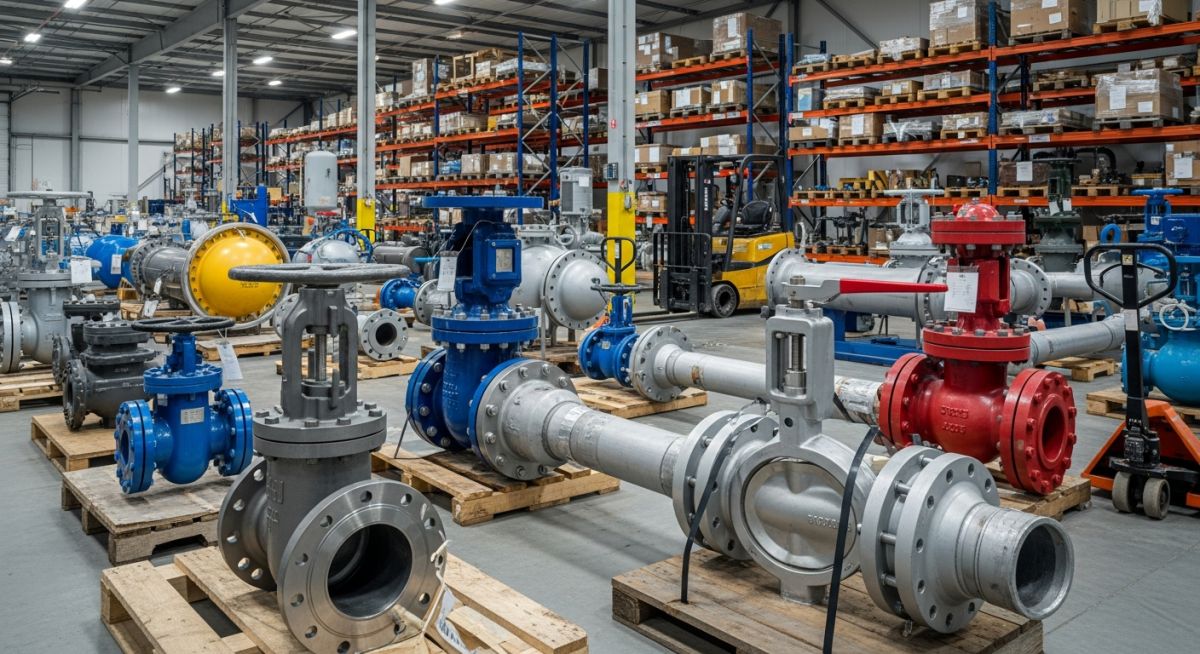
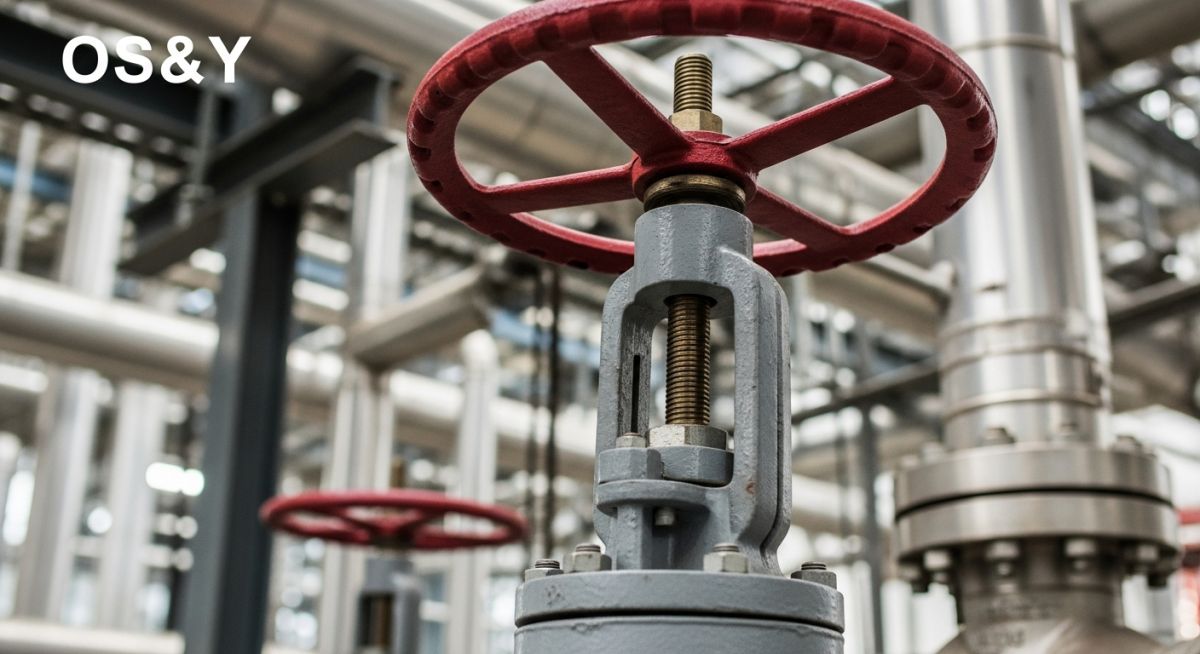
Verified Technical Content | 2026 Piping Design Standards Valves in Piping: Types, Application, Selection, Standards, Components, Working Valves in Piping systems are the mechanical devices that start, stop, or regulate the flow of fluid (liquid, gas, or slurry) by opening, closing, or partially obstructing various passageways. In the high-pressure environments of 2026 industrial plants, valves are not merely fittings but critical safety and control components that determine the operational efficiency and integrity of the entire process network. What are Valves in Piping? Valves in piping are mechanical instruments used to control flow, pressure, and direction within a system. They serve three primary functions: isolation (on/off), throttling (regulation), and non-return (backflow prevention). Modern valves must comply with API and ASME standards to ensure leak-proof performance and fugitive emission control in 2026 energy infrastructure. Table of Contents 1. What is a Valves in Piping System? Engineering Definition 2. Industrial Applications of Valves in Piping 3. Comprehensive Classification of Valve Types 4. Technical Guide to Individual Valves in Piping 5. Internal Anatomy: Major Valve Components 6. Functional Working Principles 7. Global Industry Standards (API, ASME, ISO) 8. Selecting the Right Valves in Piping: A Checklist 9. Conclusion: Maintenance and Future Trends Valve Engineering Knowledge Check Question 1 of 5 Which valve type is primarily used for strict isolation (On/Off) and should not be used for throttling? A) Globe Valve B) Gate Valve C) Needle Valve D) Diaphragm Valve Next Question Restart Quiz What is a Valves in Piping System? Engineering Definition An engineering definition of Valves in Piping characterizes them as pressure-retaining mechanical devices designed to control the flow of media within a conduit. Beyond simple on/off functions, they manage velocity, pressure, and direction. In a typical EPC project for 2026, valves account for approximately 10% to 15% of the total piping capital expenditure (CAPEX), making their correct specification vital for both safety and budget. The design of Valves in Piping is heavily standardized. Organizations such as the American Society of Mechanical Engineers (ASME) and the American Petroleum Institute (API) provide the blueprints for wall thickness, material chemistry, and leak testing. For example, ASME B16.34 is the gold standard for pressure-temperature ratings, ensuring a valve selected for a high-pressure steam line doesn't fail catastrophically under thermal stress. Industrial Applications of Valves in Piping for 2026 Projects The application of Valves in Piping spans across every major process industry. In 2026, with the push toward carbon capture and hydrogen transport, valve requirements have become even more stringent regarding fugitive emissions and material compatibility. Oil and Gas: From upstream wellheads to downstream refineries, valves isolate flammable hydrocarbons and regulate cracking processes. Power Generation: Critical in managing high-pressure steam headers and cooling water circuits. Chemical Processing: Handling highly corrosive acids and alkalis where the Valve Trim Configuration must be resistant to chemical attack. Water Treatment: Regulating the flow of potable water and managing surge control in large-diameter municipal pipelines. Comprehensive Classification of Valves in Piping Types To select the correct component, engineers classify Valves in Piping based on several technical criteria. This multi-layered classification ensures that the mechanical motion of the valve matches the process requirements. Functional Types for Isolation and Throttling Service The primary classification is based on function. Isolation valves (like Gate or Ball valves) are designed to provide a bubble-tight seal in the closed position but offer poor control when partially open. Conversely, Throttling Service valves (like Globe or Needle valves) are engineered to regulate flow by creating a variable pressure drop. Valves in Piping End Connection Types How a valve connects to the pipe determines its maintenance accessibility and leak potential: Flanged Ends: Standard for valves 2" and larger; allows easy removal for repair. Butt-Welded Ends: Used in Class 900 and higher high-pressure systems to eliminate leak paths. Socket Welded Ends: Preferred for 2" and smaller high-pressure lines. Threaded (Screwed) Ends: Common in low-pressure, small-diameter utility lines. Wafer and Lug Types: Compact designs used predominantly for Butterfly and Check valves. Mechanical Motion and Flow Coefficient (Cv Value) Valves are categorized by the motion of the closure member. Linear Motion Valves (Gate, Globe) move the disc in a straight line, while Rotary Motion Valves (Ball, Butterfly) rotate the closure member 90 degrees. This motion significantly impacts the Flow Coefficient (Cv Value), which measures the valve's capacity for flow; rotary valves typically offer a higher Cv and lower pressure drop. Valves in Piping Pressure-Temperature Ratings ASME Class Typical Pressure (at Ambient) Common Material 150 285 psi (19.6 bar) ASTM A216 WCB 300 740 psi (51.1 bar) ASTM A351 CF8M 600 1480 psi (102.1 bar) ASTM A105 Forged Technical Guide to Individual Valves in Piping Solutions Selecting the appropriate Valves in Piping requires a deep understanding of the internal closure mechanism. Each valve type is optimized for a specific flow profile, whether it requires a bubble-tight shut-off or a fine-tuned volumetric control. Gate Valves for High-Pressure Isolation Service Gate valves, typically designed according to API 600 (Cast Steel) or API 602 (Forged Steel), are the workhorses of industrial isolation. They operate by sliding a wedge-shaped disc into the flow stream. Because the disc fully retracts into the bonnet, they offer the highest Flow Coefficient (Cv Value) with nearly zero pressure drop. However, they are strictly for on/off service; using them for throttling causes severe "wire-drawing" or erosion of the seat. Ball and Butterfly Valves: High-Performance Fire-Safe Design (API 607) Quarter-turn Valves in Piping like Ball and Butterfly types are preferred for rapid operation. Modern 2026 designs often require Fire-Safe Design (API 607) certification, ensuring that if the soft primary seals melt during a fire, a secondary metal-to-metal seal prevents catastrophic leakage. Globe and Needle Valves for Precise Throttling Service Unlike gate valves, globe valves change the direction of flow within the body, creating a deliberate pressure drop. This makes them ideal for Throttling Service. Needle valves are essentially small globe valves with a tapered, needle-like stem used for very fine flow regulation in instrumentation lines. Engineering Calculation: Flow Coefficient (Cv) To size Valves in Piping correctly, engineers calculate the Cv (Flow Coefficient), which represents the flow rate in US gallons per minute of water at 60°F with a pressure drop of 1 psi. Cv = Q × (SG / ΔP)0.5 Where: Q = Flow rate (GPM). SG = Specific Gravity of the fluid. ΔP = Pressure drop across the valve (psi). Internal Anatomy and Valve Trim Configuration of Valves in Piping The reliability of Valves in Piping depends on the materials used for its internal moving parts, collectively known as the Valve Trim Configuration. Engineering the Valve Trim Configuration (Disc, Seat, and Stem) According to API 600, the trim consists of the stem, the seating surface of the disc, and the seat rings. Common trim sets include Trim 5 (Stellite) for high-wear applications and Trim 8 (13Cr) for general utility. In 2026, many EPC specifications mandate "hard-faced" seats to extend the valve's lifecycle in high-cycle Isolation and Throttling Service. Sealing and Fugitive Emission Standards (API 624) Compliance The interface between the moving stem and the stationary bonnet is a potential leak path. Modern Valves in Piping must meet Fugitive Emission Standards (API 624). This involves using low-emission (Low-E) graphite packing and specialized "live-loading" springs that maintain constant pressure on the seal, even during thermal cycling. Global Industry Standards for Valves in Piping (API, ASME, ISO) Standard ID Scope / Description Valve Applicability ASME B16.34 Pressure-Temperature Ratings and Wall Thickness. All Pressure-Rated Valves API 598 Valve Inspection and Testing (Leakage Rates). Shell and Seat Testing API 6D Pipeline Valve Specifications. Ball, Gate, Check, Plug MSS-SP-25 Standard Marking System for Valves. Identification Requirements Selecting the Right Valves in Piping: An Engineering Checklist When specifying Valves in Piping for 2026 infrastructure, follow this systematic evaluation to ensure operational safety: Process Conditions • Maximum Operating Pressure/Temperature. • Fluid Toxicity and Corrosivity. • Allowable Pressure Drop (ΔP). Mechanical & Legal • Fire-Safe Design (API 607) requirements. • Actuation Needs (Pneumatic vs Electric). • Space Constraints for Installation. Don't miss this video related to Valves in Piping Summary: Master Piping Engineering with our complete 125+ hour Certification Course: ...... ✅ 2500+ VIDEOS View Playlists → JOIN EXCLUSIVE EDUCATION SUBSCRIBE Valves in Piping Calculator (Cv Value) Calculate the Flow Coefficient (Cv) required for your Valves in Piping based on liquid flow conditions to ensure correct valve sizing for 2026 project specifications. Flow Rate (Q) GPM Specific Gravity (SG) Ratio relative to water Pressure Drop (ΔP) PSI Calculate Cv Value Reset Calculated Cv Required 0.00 Formula applied: Cv = Q * √(SG / ΔP) Note: This calculator is intended for incompressible liquid flow. For gas or steam applications, compressibility factors must be considered per ISA-75.01.01. Valve Testing and Inspection Protocols (API 598) for Valves in Piping Before any Valves in Piping are shipped to a project site in 2026, they must undergo rigorous verification to ensure they can contain pressure and provide a reliable shut-off. The most widely recognized standard for this process is API 598 (Valve Inspection and Testing), which covers both resilient-seated and metal-seated valves. Testing protocols are divided into two primary categories: Shell Testing and Closure (Seat) Testing. For high-pressure Isolation and Throttling Service, these tests ensure that the material of construction has no casting defects and that the Valve Trim Configuration aligns perfectly under load. Key API 598 Test Milestones: Hydrostatic Shell Test: The valve is partially open and pressurized to 1.5 times the maximum working pressure at 100°F. No visible leakage through the body or bonnet joint is permitted. Backseat Test: Required for valves with a backseat (like Gate and Globe valves). This verifies the seal between the stem and bonnet when the valve is fully open. Low-Pressure Closure Test: Performed with air or gas at 60–100 psi to detect minute leaks that might not be visible under high-pressure water testing. High-Pressure Closure Test: Performed at 1.1 times the maximum pressure rating to ensure the Valve Trim Configuration can hold the full system design load. API 598 Minimum Test Duration for Valves in Piping Valve Size (NPS) Shell Test (Seconds) Backseat Test (Seconds) Closure Test (Seconds) ≤ 2" 15 15 15 2.5" to 6" 60 60 60 8" to 12" 120 120 120 ≥ 14" 300 300 300 Compliance with these inspection protocols is the final gateway to ensuring the safety of Valves in Piping. In 2026, engineers are increasingly moving toward Witnessed Testing, where a third-party inspector or project representative physically verifies these durations and leakage rates to guarantee that the Fugitive Emission Standards and operational integrity targets are met before the valve enters "Isolation and Throttling Service." Valves in Piping Failure Case Study: Correcting Throttling Misalignment Project Data Facility Type: 600 MW Thermal Power Station (2026 Expansion) Application: High-Pressure Steam Extraction Line Design Temperature: 540°C (1004°F) Original Valve Type: Standard Flexible Wedge Gate Valve Failure Analysis Within six months of operation, the facility reported a significant internal leak through the steam extraction Valves in Piping. Upon teardown inspection, engineers discovered severe "wire-drawing" on both the wedge and the seat rings. The investigation revealed that operators were using the isolation gate valve to "throttle" the steam flow to manage downstream pressure fluctuations. Since gate valves are not designed for throttling service, the high-velocity steam created turbulent eddies at the narrow opening, rapidly eroding the 13Cr trim and preventing the valve from achieving a bubble-tight shut-off. Engineering Fix The engineering team implemented a two-fold solution to restore system integrity: Material Upgrade: Replaced the eroded isolation valve with a Globe Valve specifically designed for throttling, featuring a parabolic plug and Stellite-faced (Trim 5) seating. Automation: Integrated a smart Electric Actuator tied to the plant's DCS (Distributed Control System). This allowed for precise, automated flow regulation, eliminating the need for manual operator guesswork. Lessons Learned This failure highlights the critical importance of selecting Valves in Piping based on their intended function rather than just pressure rating. For 2026 projects, ensuring that "Isolation Only" valves are physically locked or software-interlocked against throttling is essential to prevent premature trim failure and maintain plant safety. Frequently Asked Questions about Valves in Piping How do I select the right Valves in Piping based on Pressure-Temperature Ratings? Selection must always begin with ASME B16.34. This standard provides tables that correlate the material group with the maximum allowable working pressure at specific temperatures. For 2026 projects, you must ensure that the "design temperature" of the Valves in Piping accounts for potential process excursions, not just normal operating conditions, to prevent flange or body deformation. What is the significance of the Valve Trim Configuration in corrosive services? The Valve Trim Configuration—which includes the stem, seat, and disc—is the part of the valve in direct contact with the process fluid. In corrosive environments, choosing the wrong trim can lead to rapid failure even if the body material is correct. Standard 2026 specifications often mandate API 600 Trim 5 (Full Stellite) or Trim 12 (316 + Stellite) to ensure long-term durability in high-cycle Isolation and Throttling Service. How do Valves in Piping meet Fugitive Emission Standards (API 624) in 2026? To comply with Fugitive Emission Standards (API 624), modern valves utilize "Low-E" packing sets, typically made of high-purity graphite with specialized anti-extrusion rings. These valves undergo rigorous type-testing that involves thermal cycling and mechanical aging to ensure they emit less than 100 ppm (parts per million) of methane or other VOCs at the stem seal. Why is Fire-Safe Design (API 607) critical for Isolation and Throttling Service? In the event of a plant fire, soft-seated valves (like PTFE ball valves) will lose their primary seal. A valve with Fire-Safe Design (API 607) features a secondary metal-to-metal contact point that activates when the soft seal fails, preventing the valve from adding fuel to the fire. This is a non-negotiable requirement for Valves in Piping handling flammable or toxic media in 2026. Conclusion: Engineering Reliability for 2026 Mastering the complexities of Valves in Piping is a fundamental requirement for any piping engineer or project manager in 2026. From the initial selection of a Valve Trim Configuration to the verification of Fugitive Emission Standards, every decision directly impacts the safety, reliability, and environmental compliance of the facility. By understanding the functional differences between Isolation and Throttling Service and adhering to global standards like API 600 and ASME B16.34, engineers can design systems that not only operate efficiently today but remain maintainable for decades to come. As we move toward more automated and digitally-integrated energy systems, the humble valve remains the most critical physical link in the process chain. ASME API Safe Project compliance verified against 2026 Global Piping & Instrumentation Engineering Standards. 📚 Recommended Resources: Valves in Piping Read these Guides 📄 Isolation Valves: Piping Engineering (with FAQs) 📄 Valve Stems: The Critical Link in Piping Systems (2026 Engineering Guide) 📄 How to Become a Piping Designer? (Complete Career Roadmap 2026) 📄 Piping Isometric Drawing Checklist: 2026 Engineering Guide 🎓 Advanced Training 🏆 Piping Engineering Essentials: Types of Valves and Their Functions 🏆 Complete Course on Piping Engineering 🎥 Watch Tutorials FAQs: Valves in Piping Engineering: Types, Purpose, and Selection What Is a Valve in Piping? What is a Ball Valve and How Does it Work in Piping Systems?