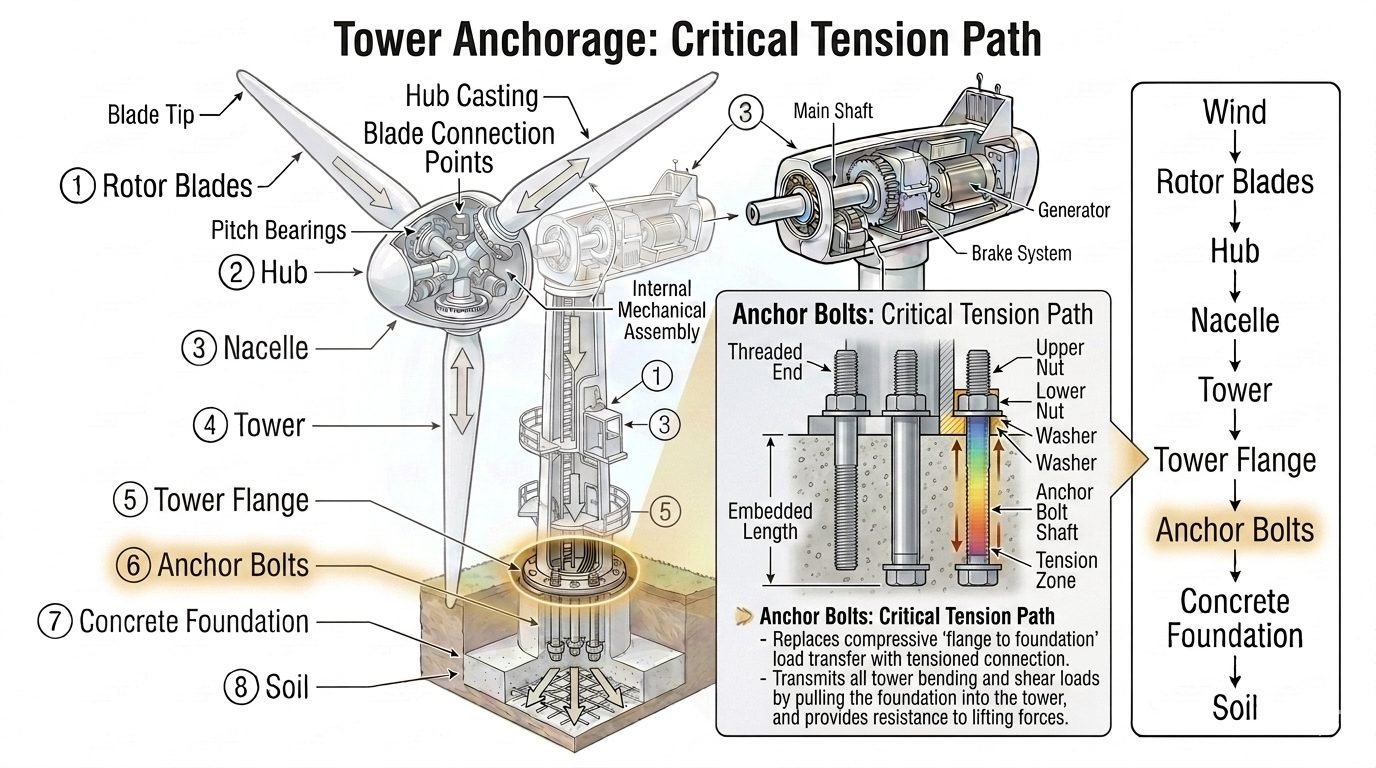
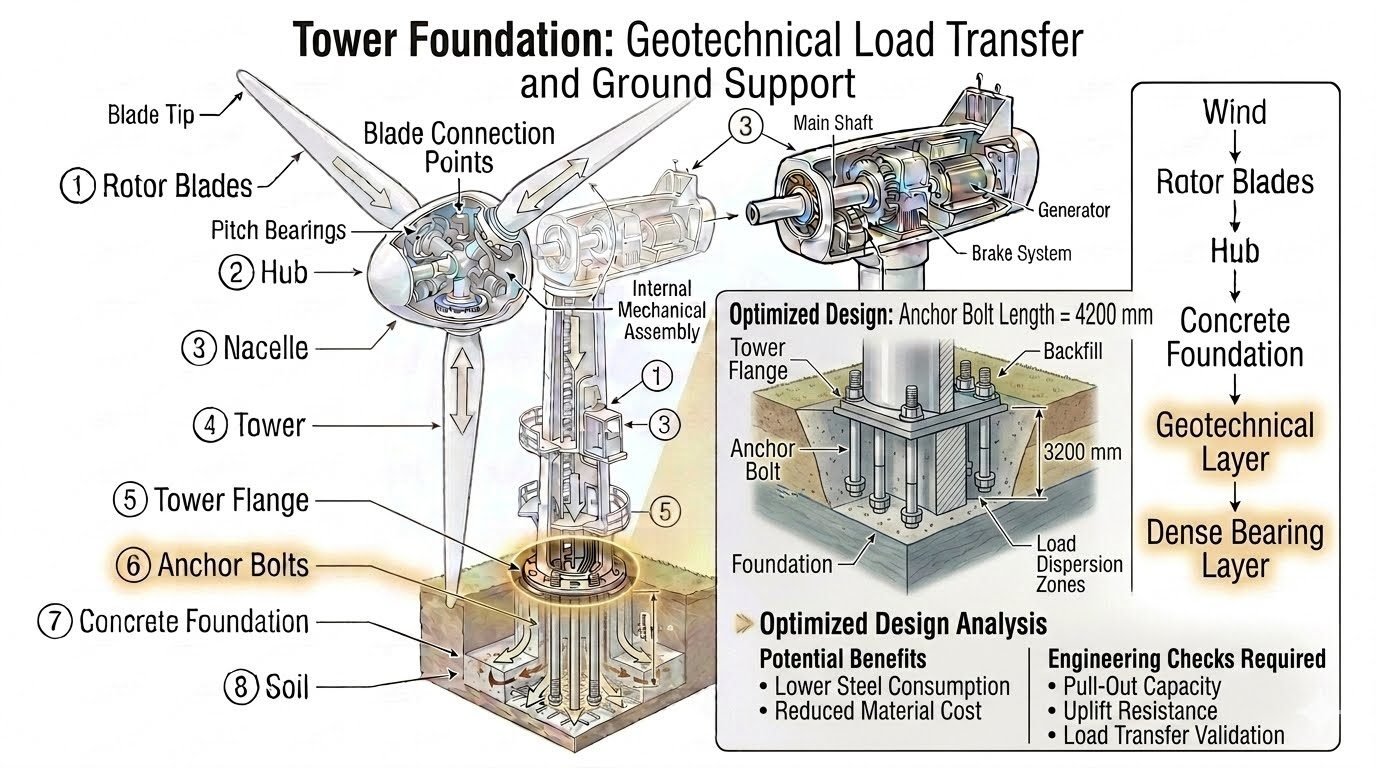
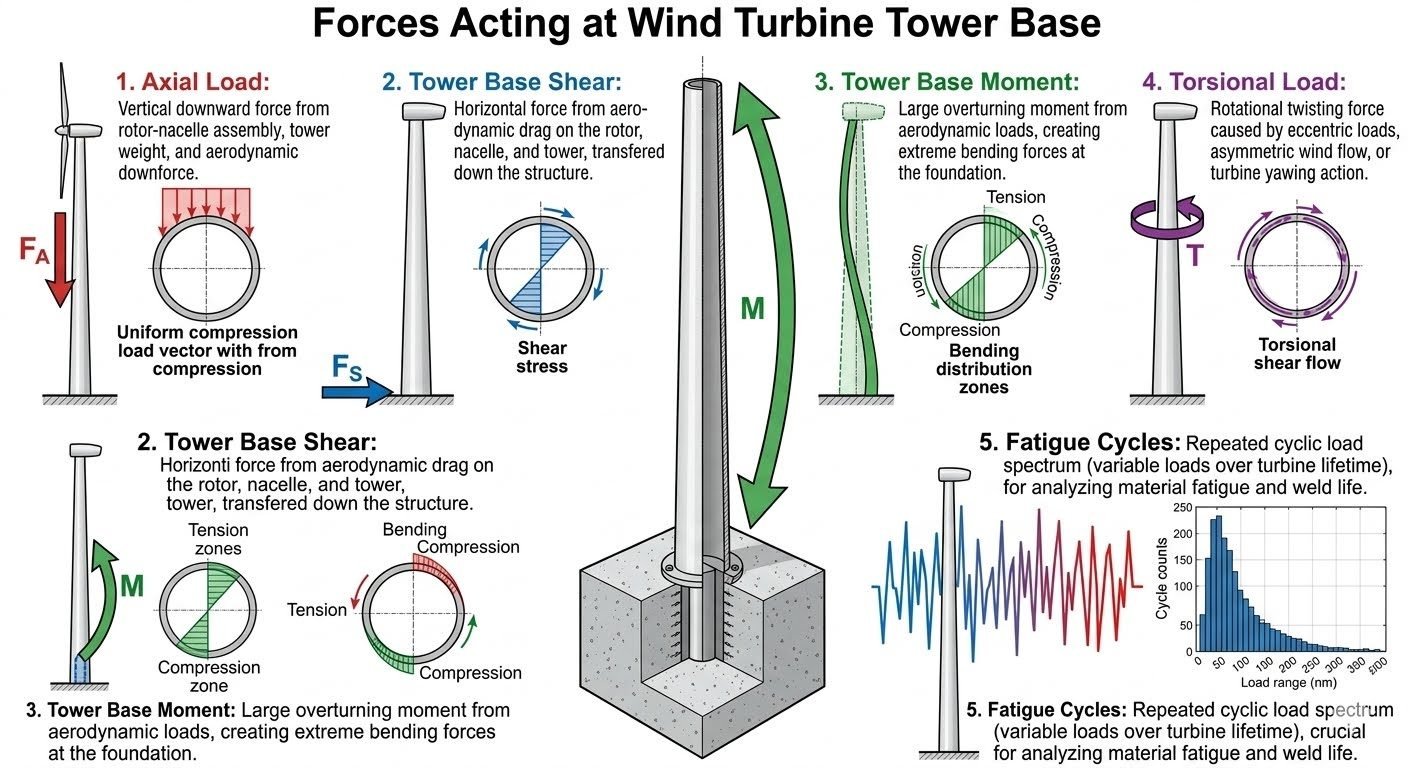
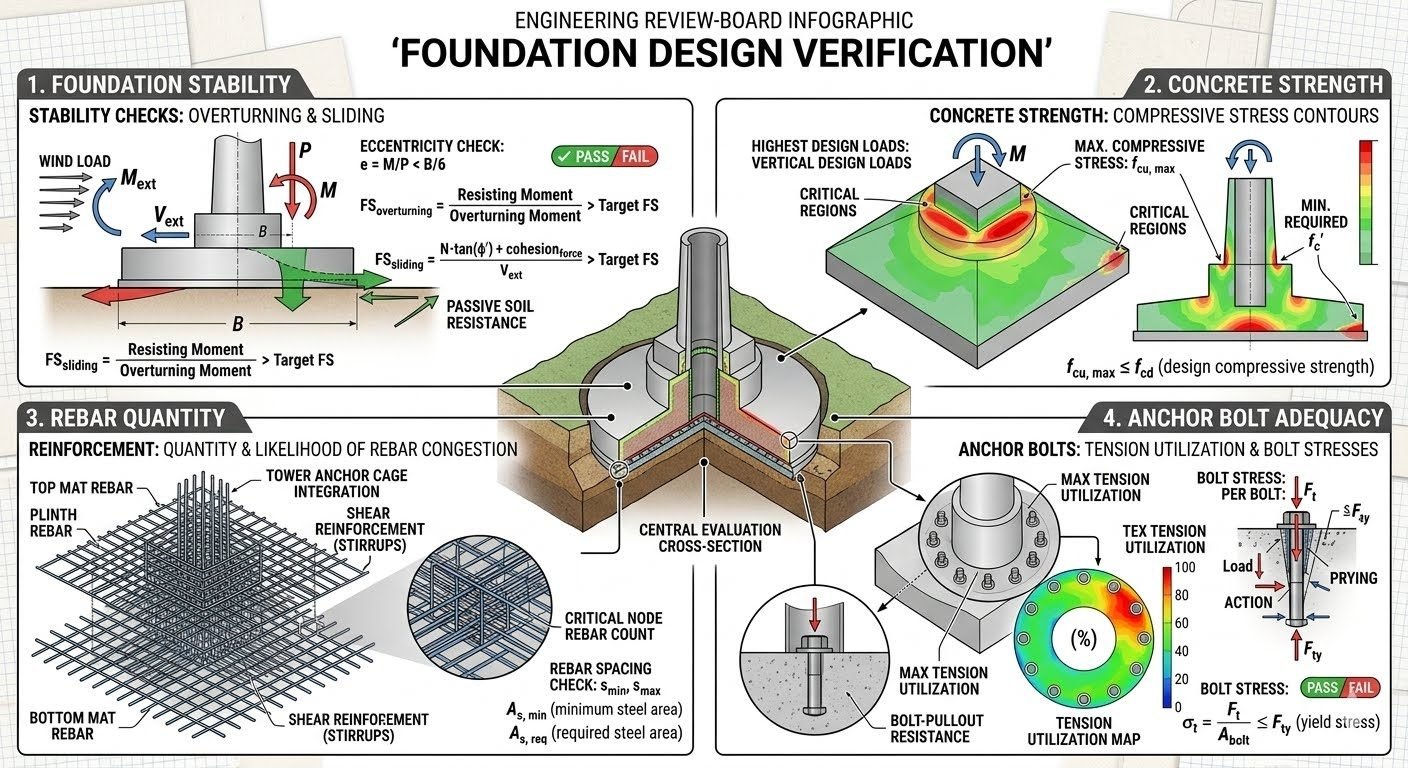
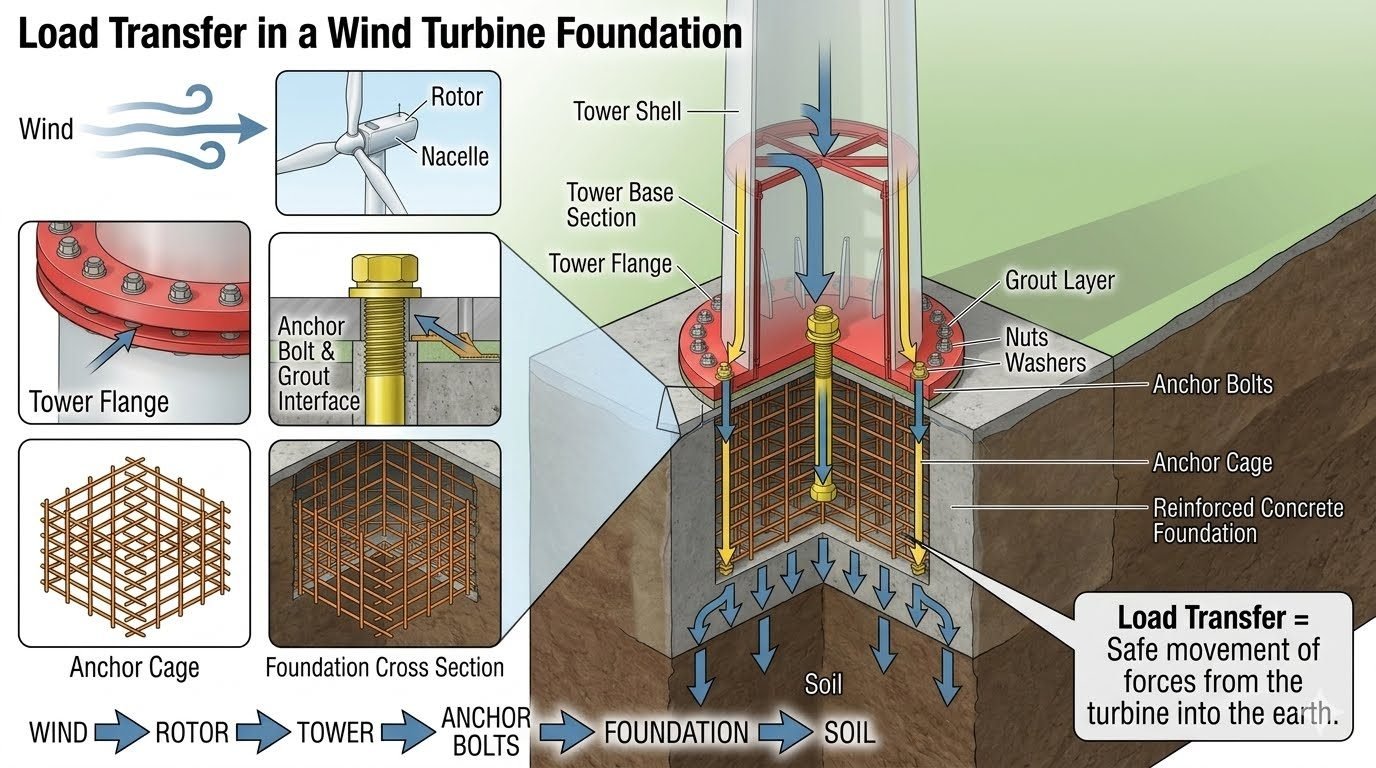
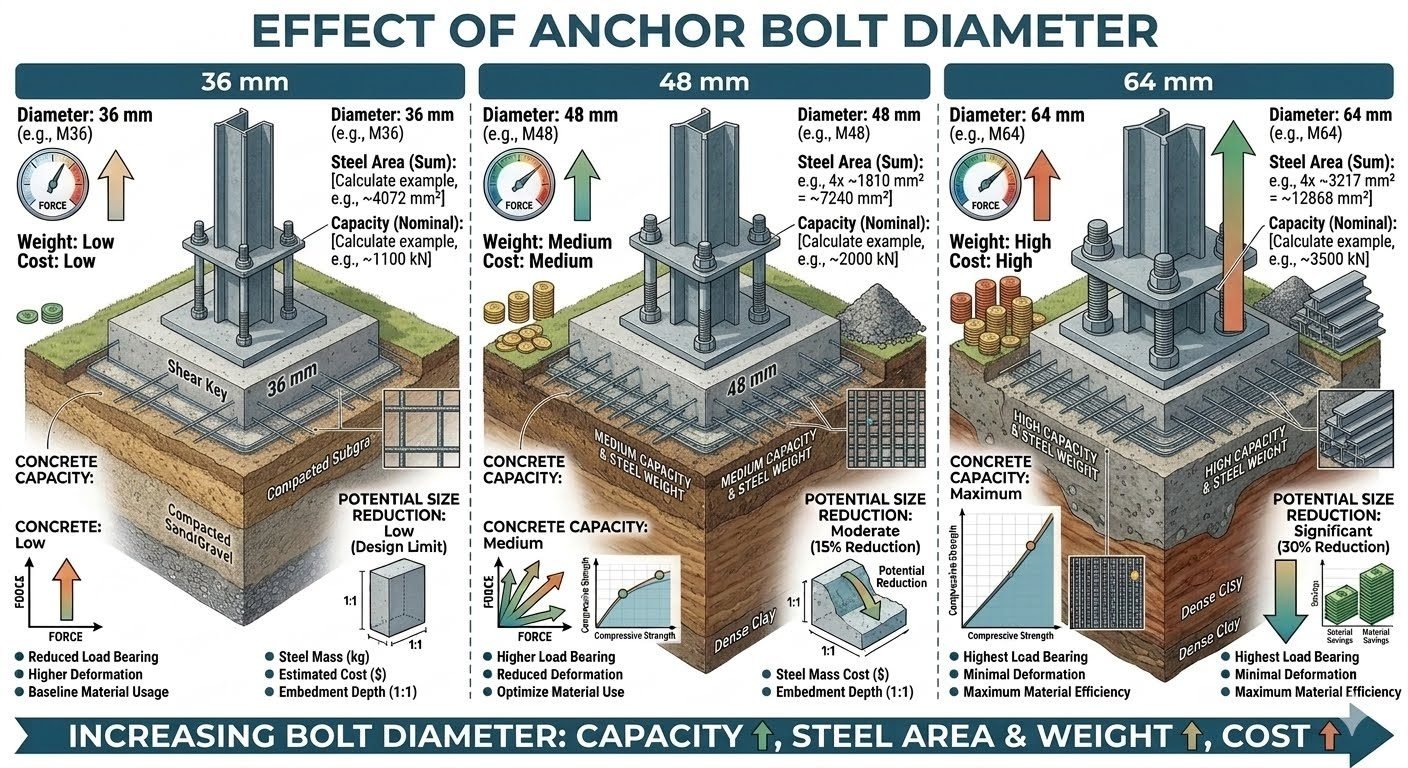
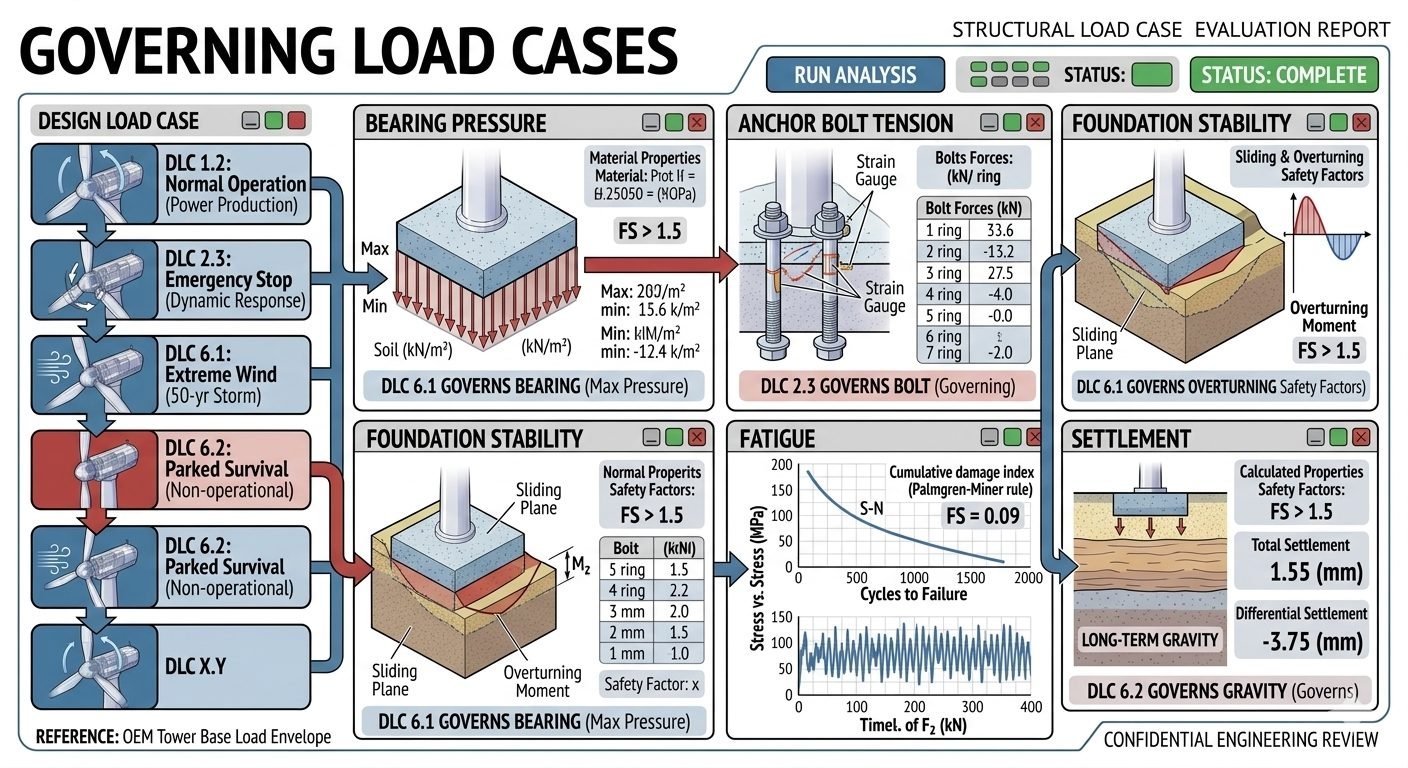
Peer Reviewed Updated: January 2026 Types of Anchor Bolts: The Complete Engineering Selection Guide You are standing on a job site where a 50-ton vibrating compressor is about to be mounted. The concrete is poured, but the structural integrity of the entire facility rests on a few inches of steel embedded in that slab. If you choose the wrong types of anchor bolts, the result isn't just a maintenance headache—it is a catastrophic concrete breakout failure. In this guide, we bypass the generic definitions to provide high-level engineering insights into selecting, installing, and auditing anchor systems that meet 2026 global safety standards. Key Takeaways Cast-in-place anchors offer the highest load capacities for heavy industrial machinery. Post-installed types of anchor bolts are essential for retrofitting but require strict adherence to embedment depth (hef) calculations. Failure modes like concrete breakout and pull-out must be verified using ACI 318 Appendix D or Eurocode 2 protocols. What are the main types of anchor bolts? The primary types of anchor bolts include cast-in-place anchors (headed bolts, bent-bar L-bolts, and swedge bolts) and post-installed anchors (mechanical expansion, undercut, and chemical/adhesive anchors). Selection depends on the base material, load type (static vs. dynamic), and environmental exposure to ensure structural load transfer to concrete foundations. "In my 20 years of field inspections, the most common failure isn't the bolt snapping—it's the concrete failing around it. When evaluating different types of anchor bolts, always prioritize the 'cone of influence.' If your spacing is too tight, your anchors will fight each other for the same concrete capacity." — Atul Singla, Founder of EPCLand Table of Contents Engineering Fundamentals: What is an Anchor Bolt? Primary Classification: Types of Anchor Bolts Heavy-Duty Solutions: Cast-in-Place Anchor Bolts Retrofit Applications: Post-Installed Types of Anchor Bolts Critical Design: Engineering Selection of Anchor Bolts Understanding Performance: Anchor Bolt Failure Modes Industrial Applications: Common Engineering Uses of Anchor Bolts Expert Summary: Navigating Types of Anchor Bolts in 2026 Engineering Challenge: Anchor Bolt Proficiency Test your knowledge on 2026 anchoring standards Question 1 of 5 Which type of anchor bolt is most suitable for high-vibration heavy machinery installed before the concrete pour? Next Question → 🏗️ Quiz Complete! Restart Assessment Engineering Fundamentals: What is an Anchor Bolt? An anchor bolt is a critical structural fastener designed to transfer tension and shear loads from a supported element—typically a steel column or heavy machinery base plate—into a concrete foundation. Unlike standard fasteners, anchor bolts must contend with the complex mechanical properties of concrete, which is significantly stronger in compression than in tension. In the context of 2026 industrial engineering, the selection of types of anchor bolts is governed by the ductility of the steel and the brittle nature of the concrete substrate. The fundamental mechanism of an anchor bolt involves creating a "load path." For a cast-in-place anchor, this path is established through mechanical bearing of the bolt head or plate against the concrete. For post-installed anchors, the path is created via friction, mechanical expansion, or chemical adhesion. Understanding these mechanisms is vital for compliance with ACI 318 (Building Code Requirements for Structural Concrete), which dictates the design strength of anchoring systems. Primary Classification: Types of Anchor Bolts for Structural Integrity Engineers classify types of anchor bolts into two broad categories based on the timing of their installation relative to the concrete pour. Cast-in-place anchors are positioned before the concrete is placed, utilizing templates to ensure high precision. These are the gold standard for heavy industrial loads and high-seismic zones because they utilize the full depth of the concrete for resistance. Conversely, post-installed anchors are placed after the concrete has hardened. These require drilling a hole and using either mechanical expansion or chemical bonding agents to secure the fastener. While they offer flexibility for retrofitting or correcting placement errors, their load capacities are generally lower and more sensitive to installation quality, such as hole cleanliness and moisture levels. Heavy-Duty Solutions: Cast-in-Place Anchor Bolts Cast-in-place types of anchor bolts are typically manufactured from carbon steel or high-strength alloy steel (such as ASTM F1554 grades). These systems provide the most robust mechanical interlock possible within a foundation. L-Shaped Bent-bar Anchor Bolts Traditional "L" or "J" bolts use the hook to provide anchorage. While common in light-duty construction, they are increasingly scrutinized in heavy engineering because the hook can straighten under extreme tension before the steel reaches its yield point. High-Strength Plate Anchor Bolts These consist of a threaded rod with a heavy square or circular plate welded or nutted at the bottom. The plate significantly increases the bearing area, allowing for massive tension transfer in relatively shallow pours. Swedge Anchor Bolts for Dynamic Loads Swedge bolts feature deep indentations or "swedges" along the embedded length. These are specifically engineered for bridge bearings and heavy machinery where lateral movement and vibration are constant threats. Retrofit Applications: Post-Installed Types of Anchor Bolts When structural modifications occur post-cure, engineers turn to post-installed types of anchor bolts. These are governed by rigorous testing under ASTM E488 to ensure they can withstand real-world seismic and vibratory stresses. Unlike cast-in-place systems, these rely on the integrity of the drill hole and the specific expansion mechanism of the hardware. Mechanical Types of Anchor Bolts These utilize friction or mechanical interlock. Wedge anchors expand against the hole walls as the nut is torqued, while undercut anchors involve a specialized bit to create a flared base for a true mechanical key. View ASME Fastener Standards Chemical and Adhesive Anchor Bolts Utilizing epoxy or vinyl ester resins, chemical anchors create a bond that is often stronger than the concrete itself. These types of anchor bolts are ideal for edge-distance constraints where expansion pressure might cause concrete splitting. Critical Design: Engineering Selection of Anchor Bolts Selecting the correct types of anchor bolts requires a multi-variable analysis of load types, environmental factors, and substrate condition. In 2026, designers must account for "sustained load" factors in adhesive anchors to prevent long-term creep failure, a critical update in modern building codes. Anchor Type Load Type Installation Typical Standard Headed Stud High Static/Tension Pre-pour ASTM F1554 Wedge Anchor Medium Static Post-pour ICC-ES AC193 Adhesive Bolt Vibratory/Seismic Post-pour ACI 355.4 Swedge Bolt High Dynamic Pre-pour AASHTO M314 Understanding Performance: Anchor Bolt Failure Modes The ultimate capacity of any anchor bolt is the minimum of several possible failure paths. Modern engineering software evaluates these simultaneously: Steel Strength in Tension/Shear: The bolt itself yields or snaps. This is the preferred ductile failure mode. Concrete Breakout: A cone-shaped section of concrete is pulled out of the slab. Pull-out Strength: The bolt pulls out of the concrete without destroying the substrate (common in L-bolts). Concrete Side-Face Blowout: Occurs when anchors are placed too close to a vertical edge under high tension. Anchor Bolt Tension Capacity Estimator Preliminary Steel Yield Calculation (ASTM F1554 / ACI 318) Bolt Diameter (inches) 1/2" 3/4" 1" 1-1/4" 1-1/2" Steel Grade (Fu - Tensile Strength) Grade 36 (58 ksi) Grade 55 (75 ksi) Grade 105 (125 ksi) Nominal Tensile Strength (Pn) 17,806 Lbs (Force) Formula: Pn = 0.75 × Ab × Fu(Reference: AISC J3.6) Disclaimer: This calculator estimates the steel's tensile capacity only. It does not account for concrete breakout, pull-out, or side-face blowout. Always verify full types of anchor bolts configurations with a licensed structural engineer. Industrial Applications: Case Study on Critical Anchoring Case Study 2026 Dynamic Load Management in Power Generation Challenge Securing a 120MW gas turbine with high-frequency vibration and thermal expansion cycles. Solution Implementation of custom swedge types of anchor bolts with ASTM F1554 Grade 105 specifications. Result Zero measurable displacement after 3,000 operational hours; 100% compliance with ACI 318-19. In this 2026 facility upgrade, the engineering team faced a significant constraint: the pedestal concrete had already reached 80% design strength, but the equipment footprint had changed. The project required a hybrid approach, using cast-in-place headed bolts for the primary frame and post-installed undercut anchors for auxiliary support. The critical takeaway was the management of the "cone of influence." By utilizing high-strength chemical anchors for the auxiliary supports, the team avoided the expansion stresses that mechanical wedge anchors would have placed on the existing reinforcement cage, preventing potential concrete splitting. Don't miss this video related to Anchor Bolts Summary: When the Ground Moves Liquid storage tanks behave uniquely during earthquakes. Unlike solid buildings, the liquid inside a tank ...... ✅ 2500+ VIDEOS View Playlists → JOIN EXCLUSIVE EDUCATION SUBSCRIBE Expert Insights: Lessons from 20 years in the field Never assume default capacity: Always check the environmental exposure. For marine or high-salinity areas, 304 or 316 stainless steel types of anchor bolts are mandatory, regardless of the initial cost premium. Installation matters more than design: A perfectly designed anchor system fails if the installer doesn't clean the post-drilled hole correctly for chemical anchors. Verify field procedures religiously. Ductility is safety: When possible, design for a ductile steel failure mode (the bolt stretches but doesn't snap suddenly) rather than a brittle concrete breakout failure. This provides warning signs before catastrophe. References & Standards (2026 Compliance) American Concrete Institute (ACI) 318, Chapter 17 (Anchoring to Concrete) ASME B18.2.1, Square and Hex Bolts and Screws (Inch Series) ASTM F1554, Standard Specification for Anchor Bolts, Steel, 36, 55, and 105-ksi Yield Strength ISO 898-1, Mechanical properties of fasteners made of carbon steel and alloy steel Authority FAQ: Mastering Types of Anchor Bolts What are the most common types of anchor bolts used in industrial construction? The most common types of anchor bolts include cast-in-place systems (headed bolts, L-bolts, and swedge bolts) for new foundations, and post-installed systems (wedge anchors, undercut anchors, and adhesive/chemical anchors) for retrofit or repair work. When should I choose chemical anchors over mechanical expansion anchors? Chemical types of anchor bolts should be chosen when working with close edge distances or small anchor spacing, as they do not exert expansion pressure on the concrete. They are also superior for high-vibration applications and seismic loading. What is the standard yield strength for anchor bolts in 2026? In 2026, the standard yield strengths follow ASTM F1554, which specifies Grade 36 (36 ksi), Grade 55 (55 ksi), and Grade 105 (105 ksi). Grade 55 is currently the most widely used "all-purpose" specification in North American engineering. Why did my L-bolt fail even though the steel didn't break? This is likely a pull-out failure. L-bolts rely on the bend for anchorage; however, under high tension, the hook can "straighten" and slide through the concrete. For high-tension loads, we recommend using headed types of anchor bolts which offer a more reliable mechanical bearing. Is it safe to weld to a high-strength anchor bolt? Generally, no. Heat from welding can embrittle high-strength types of anchor bolts like Grade 105. Only ASTM F1554 Grade 36 and certain Grade 55 bolts (if ordered with the 'S1' weldability requirement) are considered weldable without compromising structural integrity. How do I prevent "Nut Loosening" on bolts for vibrating equipment? For machinery, we utilize double-nutting or specialized "lock nuts." Additionally, specifying swedge types of anchor bolts helps the bolt resist small lateral shifts within the concrete that contribute to top-side loosening. 📚 Recommended Resources: anchor bolts Read these Guides 📄 Engineering Guide to Through Bolting: Anchor Bolts vs Through Bolts (2026) 📄 What is an Anchor Flange? Applications, Dimensions & Design Guide (2026) 📄 Unified Numbering System (UNS): The Ultimate Guide to Metal Identification 📄 Types of Pressure Vessels: Engineering Classification & Selection Guide (2026) 🎥 Watch Tutorials Anchor Pipe Support II 9 of 9 II Free Course II #epcland Purpose of Pipe Supports II 2 of 9 II Free Course II #epcland