
How to Clean Pipelines? (Complete Industrial Guide 2026)
Understanding how to clean pipelines effectively is the cornerstone of Flow Assurance in the Oil & Gas industry. Over time, internal buildup such as paraffin wax, scale, and construction debris can severely restrict throughput and accelerate corrosion. This guide explores the engineering methodologies used in 2026 to restore pipeline integrity.
Summary: How are Industrial Pipelines Cleaned?
The most common method for industrial pipeline cleaning is Pigging, where a mechanical device (Polyurethane Foam or Mandrel Pig) is inserted into a Launcher and propelled through the pipe by fluid pressure to scrape off deposits. For pipelines unsuited for pigging, alternative methods include Chemical Circulation (using solvents/acids), High-Pressure Hydro-Jetting, and Ice Pigging (pumping an ice slurry).
Read on to compare the efficiency of mechanical vs. chemical cleaning methods.
Table of Contents
QUIZ Test Your Maintenance Knowledge
1. What is the driving force that moves a cleaning “Pig” through a pipeline?
Complete Course on
Piping Engineering
Check Now
Key Features
- 125+ Hours Content
- 500+ Recorded Lectures
- 20+ Years Exp.
- Lifetime Access
Coverage
- Codes & Standards
- Layouts & Design
- Material Eng.
- Stress Analysis
1. Why Pipeline Cleaning is Critical for Flow Assurance?
In the world of EPC and plant operations, a pipeline is an asset only as long as it flows efficiently. Neglecting regular cleaning leads to a cascade of Flow Assurance Issues that can cost millions in downtime.
⚠️ The Risks of Neglect
- 🔻Throughput Reduction: Wax and scale reduce the effective internal diameter (ID), increasing pressure drop.
- 🔻Corrosion (MIC): Bacteria thrive under sludge deposits, leading to Microbiologically Influenced Corrosion (MIC).
- 🔻Product Contamination: Debris from previous batches can ruin high-purity product streams (e.g., Jet Fuel).
✅ The Benefits of Cleaning
- 🔹Optimized Pumping Energy: Clean lines require less pump horsepower to move fluid.
- 🔹Accurate Inspection: ILI tools (Smart Pigs) need a clean surface to gather accurate metal loss data.
- 🔹Asset Longevity: Removing corrosive salts and water pockets extends pipe life.
Pre-Commissioning vs. Operational Maintenance
Cleaning isn't just for old pipes. Pre-commissioning cleaning removes mill scale, welding slag, and construction debris (like lunch bags or hard hats) before the line goes live. Operational maintenance, conversely, focuses on removing process-generated deposits like paraffin wax in crude lines or black powder in gas lines.
2. Mechanical Cleaning Methods (The "Pigging" Ecosystem)
The most widely used method in the industry is Mechanical Pigging. A "Pig" (Pipeline Inspection Gauge) is a solid or semi-solid device inserted into the pipeline and pushed through by the pressure of the fluid (oil, gas, or water) behind it.

Figure 1: Anatomy of a Cleaning Pig run. The sealing discs prevent fluid bypass, maximizing the scraping force.
The Hardware: Launcher & Receiver
Pigs cannot be inserted into a pressurized pipe by hand. Operators use a Pipeline Pigging Launcher/Receiver system (also known as a Trap). This is a barrel with an oversized diameter that allows the pig to be loaded, the door sealed, and the pressure equalized before the isolation valve is opened to launch the tool.
Types of Utility Pigs
| Pig Type | Description | Best Application |
|---|---|---|
| Foam Pigs (Polly-Pigs) | Soft, bullet-shaped polyurethane foam. Can navigate tight bends. | Drying, swabbing, and light cleaning. |
| Mandrel Pigs | Steel body with replaceable cups, discs, and wire brushes. | Aggressive cleaning of hard scale and heavy wax. |
| Magnetic Pigs | Fitted with strong rare-earth magnets. | Ferrous Debris Removal (welding rods, rust dust) before ILI runs. |
Is Pigging the Most Efficient Method?
Generally, Yes. It cleans while the pipeline remains in operation (online), avoiding revenue loss. However, it requires the pipeline to be "piggable"—meaning it must have constant diameter, long-radius bends (usually 3D or 5D), and permanent Launcher/Receiver facilities. If a pipeline has varying diameters or sharp miter bends, mechanical pigging is risky as the tool may get stuck.
3. Chemical & Fluid-Based Cleaning Techniques
When a pipeline has varying diameters, sharp bends, or no pig traps ("unpiggable" lines), mechanical tools are too risky. In these cases, fluid chemistry and velocity become the primary cleaning agents.
Chemical Circulation (Acidizing & Solvents)
This method involves circulating specific Chemical Cleaning Solvents through the loop. The chemistry is tailored to the deposit:
- Organic Solvents (Xylene/Toluene): Used to dissolve paraffin wax and asphaltenes in crude oil lines.
- Acids (Hydrochloric/Citric): Used to dissolve inorganic scale (rust, calcium carbonate) in water lines.
- Surfactants: Used to lower surface tension and flush out loose debris.
High-Pressure Hydro-Jetting
Often called "Retro-Jetting," this uses a hose with a high-pressure nozzle (up to 20,000 PSI) inserted into the pipe. The rear-facing water jets propel the hose forward while scouring the pipe walls.
Limitation: The hose length is finite. It is effective for cleaning short runs (heat exchanger tubes, drain lines) but impractical for cross-country pipelines measuring kilometers.
4. Advanced Techniques: Swabbing and Ice Pigging
What is Swabbing? (Drying & Dewatering)
Swabbing isn't about scraping; it's about absorption. After a pipeline undergoes a hydrostatic pressure test (using water), it must be thoroughly dried before transporting gas to prevent hydrate formation.
Key Application: Hydrostatic Testing Dewatering. Engineers run a sequence of low-density foam pigs driven by dry air or nitrogen. These "swabs" soak up residual water and push the moisture out, ensuring the line is dry to a specific dew point (e.g., -20°C).
What is Ice Pigging?
An innovative technique for complex geometries. Instead of a solid tool, a thick slurry of semi-solid ice is pumped into the line.
-
🧊
Shape Adapting The ice slurry flows like a liquid, navigating 90-degree elbows, changes in diameter, and valves without getting stuck.
-
💪
Shear Stress Despite flowing, it acts like a solid plug, generating 1000x more shear stress than water flushing, effectively scouring sediments.
5. Selection Matrix: How to Choose a Pipeline Cleaning Method?
Choosing the wrong method can result in a "stuck pig" (a major operational nightmare) or ineffective cleaning. Use this matrix to guide your decision in 2026.
| Method | Ideal For Deposit | Pipeline Geometry | Risk Level |
|---|---|---|---|
| Utility Pigging (Foam) | Soft Wax, Light Debris, Water | Standard, Minor Diameter Changes | Low |
| Mechanical Pigging (Steel) | Hard Scale, Heavy Wax, Construction Debris | Constant ID, 3D+ Bends Required | Medium (Can get stuck) |
| Chemical Circulation | Organic (Wax/Asphalt) or Inorganic Scale | Any (Complex, Unpiggable) | Low (No mechanical risk) |
| Ice Pigging | Sediment, Biofilm, Loose Debris | Complex, Variable Diameter | Low (Ice melts if stuck) |
| Hydro-Jetting | Hardest Scale, Total Blockages | Short distances, Straight runs | N/A (Limited range) |
⏱️ Pigging Velocity & Run Time Calculator
Determine the cleaning pig's velocity and estimated arrival time based on flow rate.
Note: Ideal cleaning velocity is typically between 1.0 to 3.0 m/s for liquids.
Pig Velocity
Est. Transit Time
Arrival at Receiver
EPCLand YouTube Channel
2,500+ Videos • Daily Updates
Bonus: Field Operations Toolkit
Executing a pig run involves high-pressure hydrocarbons. Use this Operational Checklist to ensure safety compliance before opening the trap door, and review the glossary for site terminology.
Safety Critical Warning
Always follow your site-specific Standard Operating Procedures (SOP) and Permit to Work (PTW). Never attempt to open a Pig Trap door without verifying Zero Pressure via the vent valve.
1 Pre-Launch Checklist
2 Essential Terminology
Always open the Kicker Valve slightly (crack open) first to gently move the pig into the reducer. Opening it 100% instantly can slam the pig into the check valve, damaging the tool.
6. Case Study: Restoring Flow in a Wax-Clogged Crude Line
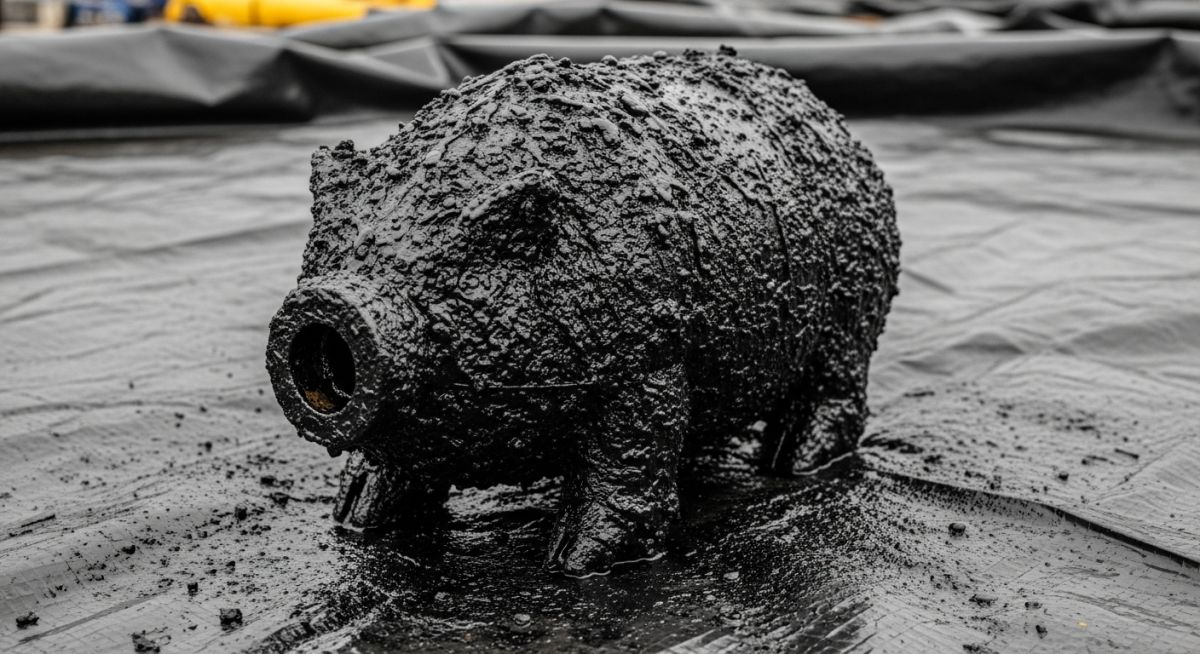
The Challenge: The "Choked" Artery
Context: A 24-inch, 120km crude oil pipeline was experiencing a severe drop in throughput. The pumps were running at max capacity, but the flow rate had dropped by 35% over six months.
The Diagnosis
Due to a harsh winter, the oil temperature dropped below the "Wax Appearance Temperature" (WAT). This caused Paraffin Wax to precipitate and harden on the pipe walls, effectively shrinking the pipe's internal diameter from 24" down to roughly 18".
The Risk
Critical Decision: If the operators had launched a standard "Hard Scraper Pig" immediately, it would have plowed the wax into a solid plug ahead of itself, blocking the line completely (a "Candle Plug").
The Engineering Solution: Progressive Pigging
The maintenance team adopted a "Progressive Cleaning" strategy combined with chemical softening.
-
Step 1: Chemical Soak
A batch of Xylene-based solvent was injected and circulated to soften the hardened wax layer.
-
Step 2: Foam Pig Run
A soft, undersized foam pig was launched to prove the line was passable and sweep out loose sludge.
-
Step 3: Aggressive Cleaning
Over 3 weeks, increasingly harder pigs (Low Density -> Medium Density -> Wire Brush) were sent. The final run pushed out approx. 4 tons of wax.
Final Outcome
Flow rate returned to 100% of design capacity. The differential pressure across the line dropped by 45 PSI, significantly reducing energy costs.
7. Leading Pipeline Cleaning Service Companies (2026 Overview)
For complex cleaning campaigns, especially pre-commissioning or high-risk stuck pig scenarios, operators typically contract specialized service providers. In 2026, these are the industry leaders known for their fleet of equipment and chemical expertise:
ROSEN Group
Global leader in "Challenging Pipeline Diagnostics" and specialized cleaning solutions for unpiggable lines.
Baker Hughes (PPS)
Process & Pipeline Services division offering advanced chemical cleaning, nitrogen services, and gel pigging.
T.D. Williamson (TDW)
Renowned for manufacturing high-durability pigs and executing pigging campaigns for gas transmission lines.
Halliburton
Dominant in the chemical cleaning sector, specifically for dissolving complex wax and asphaltene deposits.
Frequently Asked Questions
How often should an industrial pipeline be cleaned?
What is the difference between Cleaning Pigs and Intelligent Pigs?
What happens if a pig gets stuck in the pipeline?
Is Ice Pigging safe for drinking water pipelines?
Final Thoughts on Pipeline Integrity
Pipeline cleaning is not a "nice-to-have"; it is a mandatory Flow Assurance activity. Whether you choose Mechanical Pigging for routine maintenance or Ice Pigging for complex geometries, the goal remains the same: safe, efficient, and uninterrupted flow.
© 2026 Epcland Engineering. All Rights Reserved.
Content Verified by Atul Singla (Principal Mechanical Engineer).
