What are Swivel Joints? Working, Types, and Applications in 2026
Swivel Joints are precision-engineered mechanical components designed to allow the rotation of connected piping or tubing while maintaining a leak-proof seal for the transfer of fluids or gases. In 2026, these articulated piping systems have become indispensable in modern industrial fluid handling, providing the necessary flexibility to eliminate stress caused by thermal expansion, vibration, and mechanical movement.
Direct Answer: What is a Swivel Joint?
A Swivel Joint is a mechanical connector that provides 360-degree rotation in one or more planes. It consists of a male and female sleeve held together by ball bearing races, utilizing specialized pressure-containing seals to prevent leakage. They are used to create flexible piping layouts that require dynamic movement without sacrificing pressure integrity.
“The reliability of a Swivel Joint in high-pressure systems depends entirely on the hardening of the ball races and the compatibility of the elastomer seals with the process fluid. Never overlook the importance of regular lubrication in 2026’s high-cycle environments.”
— Atul Singla, Founder of Epcland
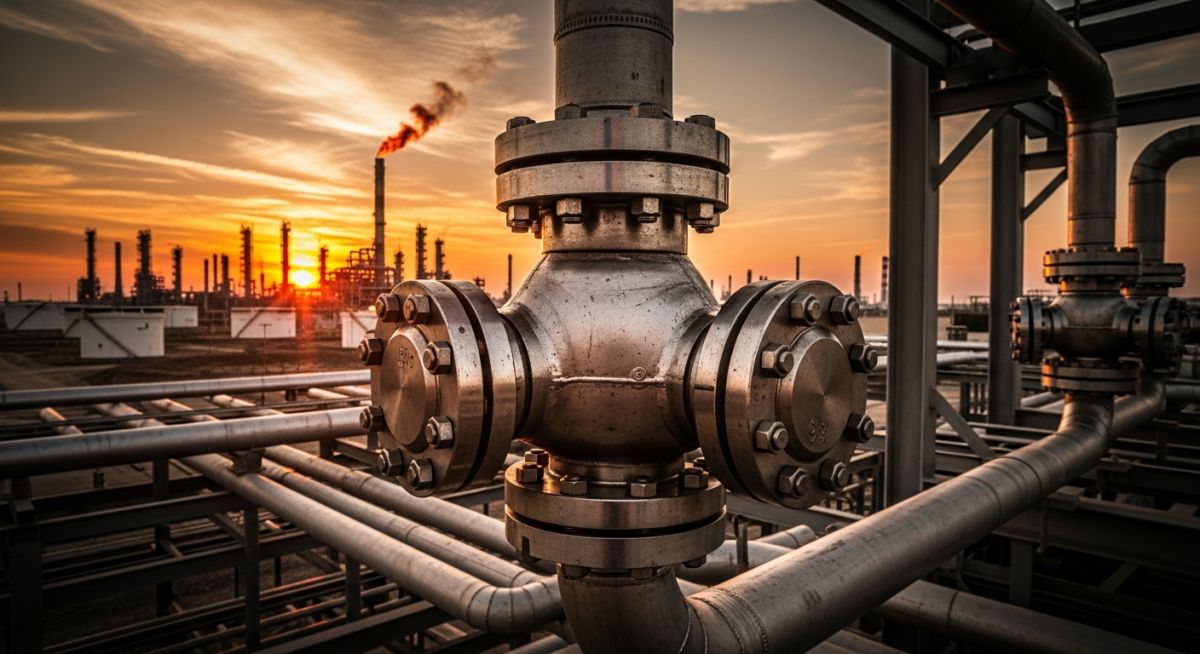
Engineering Knowledge Check: Swivel Joints
Table of Contents
Complete Course on
Piping Engineering
Check Now
Key Features
- 125+ Hours Content
- 500+ Recorded Lectures
- 20+ Years Exp.
- Lifetime Access
Coverage
- Codes & Standards
- Layouts & Design
- Material Eng.
- Stress Analysis
What is a Swivel Joint in Engineering?
In the context of 2026 industrial fluid dynamics, a Swivel Joint is defined as a specialized mechanical device that provides a pivot point between two piping sections. Unlike flexible hoses, which can kink or fatigue under high-frequency movement, these articulated piping systems offer rigid structural integrity while allowing full 360-degree rotation. They are engineered to handle internal pressure, external piping loads, and thermal stresses simultaneously, making them superior to standard rotary unions in heavy-duty applications.
Critical Applications of Swivel Joints in Industry
The versatility of Swivel Joints makes them a cornerstone of fluid transfer across multiple sectors. In 2026, their application has expanded into more demanding environments:
- Petrochemical Loading Arms: Essential for the safe transfer of crude oil and chemicals between shore-based storage and marine tankers.
- Floating Roof Drains: Used in storage tanks to allow drainage pipes to move up and down with the liquid level without leaking.
- Subsea Manifolds: Facilitating the connection of rigid flowlines in deep-water oil and gas extraction.
- Waste Water Treatment: Employed in sludge collectors and clarifiers where continuous rotation of aeration arms is required.
- Automotive Manufacturing: Providing dynamic piping alignment for robotic painting and assembly lines.
High-Performance Materials for Rotary Fluid Connectors
The longevity of rotary fluid connectors depends heavily on material metallurgy. In 2026, engineers select materials based on the “Corrosion-Pressure-Temperature” (CPT) matrix.
| Material Grade | Application Environment | Key Benefit |
|---|---|---|
| Carbon Steel (ASTM A105) | General Industrial / Oil & Gas | Cost-effective, high structural strength |
| Stainless Steel (316L) | Chemical / Food & Pharma | Excellent corrosion resistance |
| Duplex Stainless Steel | Marine / Offshore Jetty | Resistance to chloride stress cracking |
| Aluminum (6061-T6) | Aviation / Fuel Trucking | Lightweight for manual operation |
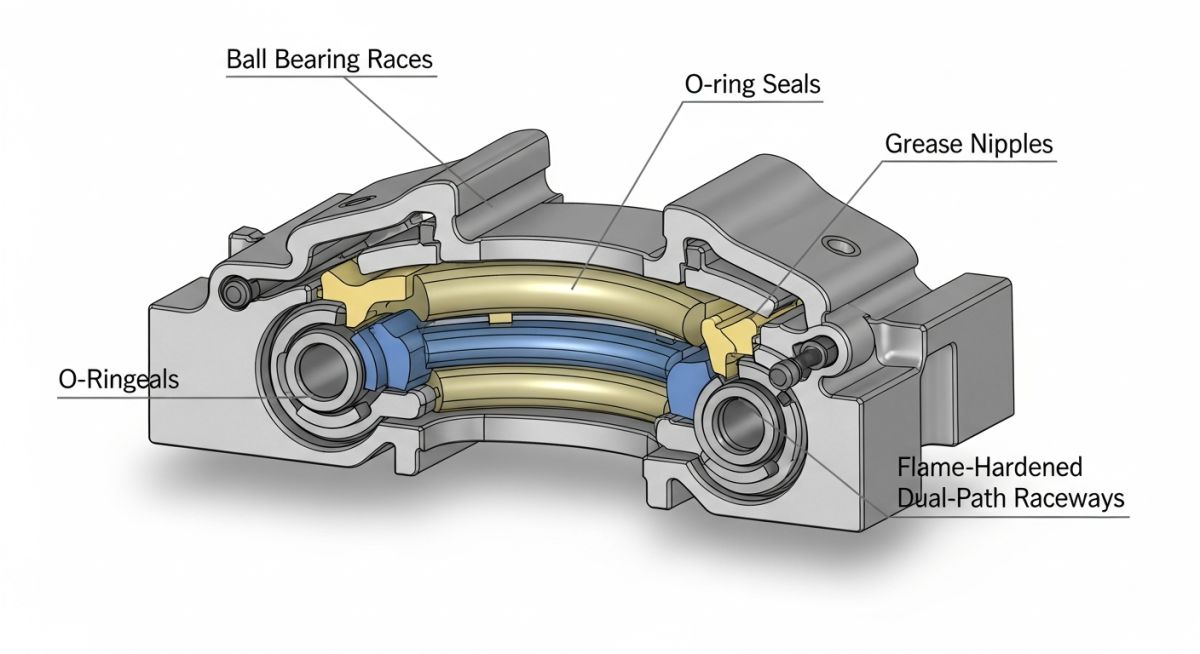
Design Characteristics of Swivel Joints
When evaluating Swivel Joints, several technical characteristics must be verified to ensure system safety. These include the split-flange design for easy seal replacement and the integration of dual ball bearing races. The primary objective is to maintain a constant cross-sectional area to minimize pressure drops and turbulence during flow.
Structural Integrity
Forged components ensure that the joint can withstand high bending moments and axial loads without deformation.
Sealing Efficiency
Utilizes multi-layer sealing systems including primary product seals, dust seals, and environmental leakage indicators.
How the Working of a Swivel Joint Ensures Fluid Continuity
The fundamental working principle of Swivel Joints involves the interaction between high-precision ball bearing races and dynamic pressure-containing seals. As fluid moves through the internal bore, the male sleeve rotates within the female housing. The mechanical load is carried by two rows of ball bearings, which are flame-hardened to HRC 40-45 to prevent “brinelling” or indentation under high axial stress.
In 2026, advanced designs utilize a “V-ring” seal geometry where the internal fluid pressure actually forces the seal lips tighter against the sealing surface, ensuring that the higher the pressure, the more effective the seal becomes.
Primary Types of Swivel Joints
Engineers categorize Swivel Joints based on the number of planes of rotation required for the specific piping geometry.
Single-Plane vs. Multi-Plane Articulated Piping Systems
A single-plane joint (Style 20 or 30) allows for simple 360-degree rotation around one axis. However, for complex movements like those found in tanker loading, multi-plane articulated piping systems are created by combining multiple joints (Style 40, 50, or 80) to allow movement in X, Y, and Z axes.
Compliance with Global Engineering Standards
To ensure safety in 2026, every Swivel Joint must be designed and tested according to rigorous international codes:
- ✔ ASME B31.3: Process Piping design margins.
- ✔ API 6H: Specification for end connectors.
- ✔ ISO 5208: Industrial valve pressure testing.
- ✔ OCIMF: Standards for Marine Loading Arms.
Engineering Selection of Swivel Joints
Selecting the correct Swivel Joint requires calculating the “Total Dynamic Load,” which includes the weight of the fluid, the piping, and the environmental forces like wind or snow.
Pressure and Temperature Ratings for Pressure-Containing Seals
| Seal Material | Temp Range (°C) | Max Pressure (PSI) | Fluid Compatibility |
|---|---|---|---|
| Buna-N (Nitrile) | -40 to 100 | 6,000 | Petroleum, Water, Oil |
| Viton (FKM) | -20 to 200 | 10,000 | Chemicals, High-Temp Steam |
| PTFE (Teflon) | -250 to 230 | 3,000 | Cryogenics, Acids |
Engineering Calculation: Torque Resistance
The rotational torque (T) required to move a Swivel Joint under pressure is calculated as:
T = μ ⋅ d ⋅ Fp
Where:
μ = Coefficient of friction of the ball races
d = Mean diameter of the ball race track
Fp = Force exerted by internal pressure (Pressure × Areabore)
Note: In 2026, most engineers use a safety factor of 1.5 to account for seal friction aging.
Swivel Joints Pressure Load Calculator
Calculate the axial thrust load exerted on the ball bearing races based on internal operating pressure and nominal pipe diameter.
Calculated Axial Thrust Load
Formula used: Load = Pressure × π × (Diameter/2)2
Swivel Joint Failure Case Study: Marine Loading Arm Analysis
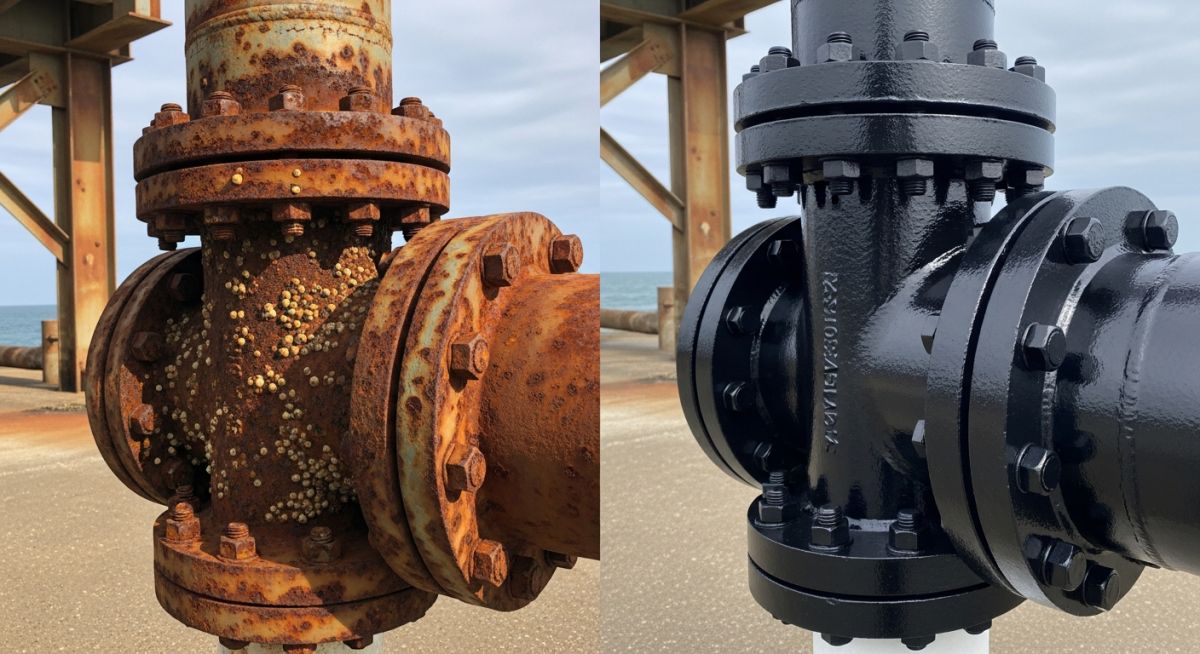
Project Data
- Location: Offshore LNG Terminal (2026 Retrofit)
- Equipment: 12-inch Triple-Swivel Articulated Arm
- Media: Liquefied Natural Gas (-162°C)
- Service Life: 4 Years (Pre-failure)
Failure Analysis
During a high-tide transfer operation, a significant leak was detected at the apex swivel joint. Post-disassembly inspection revealed “pitting” on the ball bearing races and a brittle fracture in the primary PTFE lip seal. The root cause was identified as moisture ingress into the grease chamber, which froze at cryogenic temperatures, seizing the bearings and tearing the seal during arm movement.
Engineering Fix & Resolution
The engineering team implemented a two-stage resolution. First, the standard carbon steel races were replaced with flame-hardened stainless steel 440C inserts to resist low-temperature embrittlement. Second, a nitrogen purge system was installed to maintain a dry, pressurized environment inside the joint housing, preventing any atmospheric moisture from entering the ball bearing races.
Lessons Learned
- Environmental sealing is as critical as process sealing in articulated piping systems.
- Cryogenic swivel joints require specialized low-temperature lubricants that remain viscous at -160°C.
- Real-time torque monitoring can predict swivel joint seizure before catastrophic seal failure occurs.
Frequently Asked Questions about Swivel Joints
How do you maintain ball bearing races in high-cycle swivel joints?
In 2026, maintenance involves regular lubrication through high-pressure grease nipples to flush out contaminants. For ball bearing races, we recommend ultrasonic thickness testing every 24 months to detect internal wear or pitting before mechanical failure occurs.
What is the difference between a rotary fluid connector and a swivel joint?
While often used interchangeably, a rotary fluid connector (or rotary union) is typically designed for continuous high-speed rotation (RPM), whereas a Swivel Joint is designed for articulated, intermittent movement under significant mechanical piping loads.
Can articulated piping systems be used for hazardous chemicals?
Yes. By utilizing pressure-containing seals made of PTFE or Chemraz and constructing the body from Hastelloy or Duplex Stainless Steel, articulated piping systems provide the safest method for transferring aggressive acids and solvents.
How does dynamic piping alignment reduce system stress?
Dynamic piping alignment achieved through Swivel Joints allows the piping to “breathe” and move during thermal expansion or pump vibration. This prevents the transfer of bending moments to pump nozzles and tank flanges, significantly extending the life of the entire infrastructure.
Conclusion: Optimizing Fluid Systems with Swivel Joints
As we navigate the engineering demands of 2026, the Swivel Joint remains a critical component for ensuring both flexibility and safety in fluid transfer operations. By understanding the interaction between ball bearing races, material selection, and pressure-containing seals, engineers can design systems that withstand the most rigorous industrial environments. Whether in marine loading or refinery piping, choosing the right Swivel Joints is the first step toward operational excellence and leak-free performance.
End of Technical Guide
EPCLand YouTube Channel
2,500+ Videos • Daily Updates
📚 Recommended Resources: Joints
Read these Guides
🎓 Advanced Training



Related posts:
![High-grade industrial Wing Nut Types and Applications for mechanical assemblies.]()
Wing Nut Types and Applications: The 2026 Engineering Guide
![Industrial Monorail Crane Systems installed in a modern manufacturing plant 2026.]()
Monorail Crane Systems: Design, Types & 2026 Standards Guide
![Lead engineer performing a Factory Acceptance Test FAT on an industrial skid system 2026]()
Factory Acceptance Test FAT: The 2026 Engineering Guide to Zero-Defect Delivery
![Professional engineering workspace showing a Basis of Design document layout for a 2026 project.]()
Basis of Design: How to Write a BOD for Engineering Projects in 2026
![Industrial Flare Knockout Drum Sizing and installation in a refinery relief system.]()
Flare Knockout Drum Sizing: Design & API 521 Standards (2026 Guide)
![Advanced Reboiler Control Systems in a modern petrochemical refinery 2026.]()
Reboiler Control Systems: Engineering Guide to Precision Control 2026