Colors of Hydrogen: The Ultimate Guide to Green, Blue, Grey, and Beyond
Your project specs demand “Clean Hydrogen,” but the procurement list shows a massive price delta between Blue and Green. Are you paying for a branding exercise, or are you actually hitting your Carbon Intensity (CI) targets? In the 2026 energy landscape, understanding the Colors of Hydrogen is no longer optional for engineers—it is the difference between a viable asset and a stranded one.
Key Takeaways
- Carbon Intensity is King: The “color” is simply a proxy for how many kilograms of CO2 are produced per kilogram of H2.
- Process Diversity: While Grey relies on Steam Methane Reforming (SMR), Green utilizes electrolysis powered by renewables.
- Regulatory Alignment: Future-proofing hydrogen infrastructure requires strict adherence to ISO/TR 15916 safety and production standards.
What are the Colors of Hydrogen?
The Colors of Hydrogen is a classification system used to differentiate hydrogen production methods based on their environmental impact. Green Hydrogen is carbon-free, produced via electrolysis using renewable energy. Blue Hydrogen is produced from natural gas but utilizes Carbon Capture and Storage (CCS) to mitigate emissions. Grey Hydrogen is the most common industrial form, produced from natural gas without carbon capture, resulting in significant CO2 output.
Expert Insight: The Efficiency Trap
“Don’t get blinded by the rainbow. Many engineers overlook the parasitic load required for Carbon Capture in Blue Hydrogen systems. While it’s ‘cleaner’ than Grey, the energy penalty can reach up to 20%, significantly impacting your Levelized Cost of Hydrogen (LCOH).”
— Atul Singla, Founder of Epcland
Complete Course on
Piping Engineering
Check Now
Key Features
- 125+ Hours Content
- 500+ Recorded Lectures
- 20+ Years Exp.
- Lifetime Access
Coverage
- Codes & Standards
- Layouts & Design
- Material Eng.
- Stress Analysis
Technical Proficiency Check: Colors of Hydrogen
Test your engineering knowledge on production pathways and carbon intensity.
1. What is the primary difference between Grey Hydrogen and Blue Hydrogen?
Understanding Carbon Intensity in the Colors of Hydrogen
The Colors of Hydrogen spectrum serves as a visual shorthand for a complex engineering reality: Carbon Intensity (CI). In professional engineering circles, relying solely on color names is becoming secondary to the numerical lifecycle analysis (LCA) of greenhouse gas emissions. The CI is typically measured in kilograms of CO2 equivalent produced per kilogram of hydrogen (kg CO2e/kg H2). For instance, while traditional Grey Hydrogen production via Steam Methane Reforming (SMR) averages a CI of 9–12, Green Hydrogen aims for a CI of near zero, depending on the upstream emissions of the renewable energy source used.
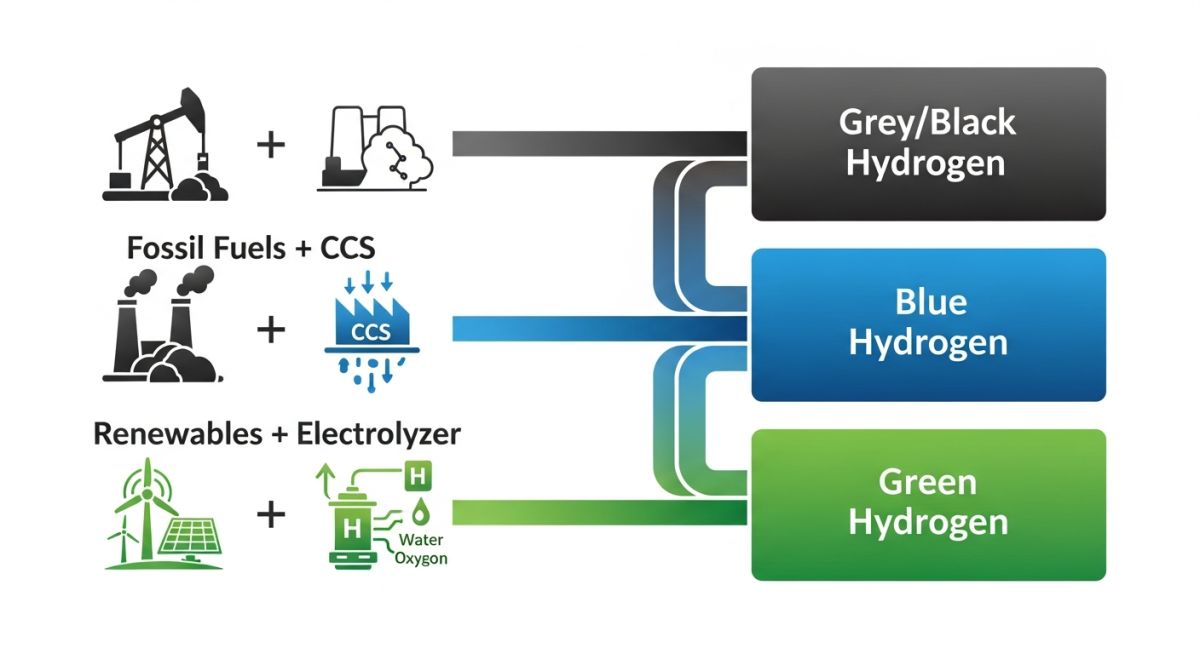
To truly master the Colors of Hydrogen, one must look at the thermodynamic hurdles of each pathway. Green hydrogen relies on Proton Exchange Membrane (PEM) or Alkaline electrolysis. These systems require high-purity water and significant electrical input (approx. 50-55 kWh/kg H2). Conversely, thermochemical pathways like SMR (Grey/Blue) or Gasification (Brown/Black) utilize high-temperature steam to break molecular bonds in hydrocarbons. The engineering challenge in 2026 lies in the transition from these carbon-heavy thermal processes to high-efficiency electrochemical ones without destabilizing the existing industrial grid.
Green Hydrogen: The Gold Standard for Zero-Emission Fuel
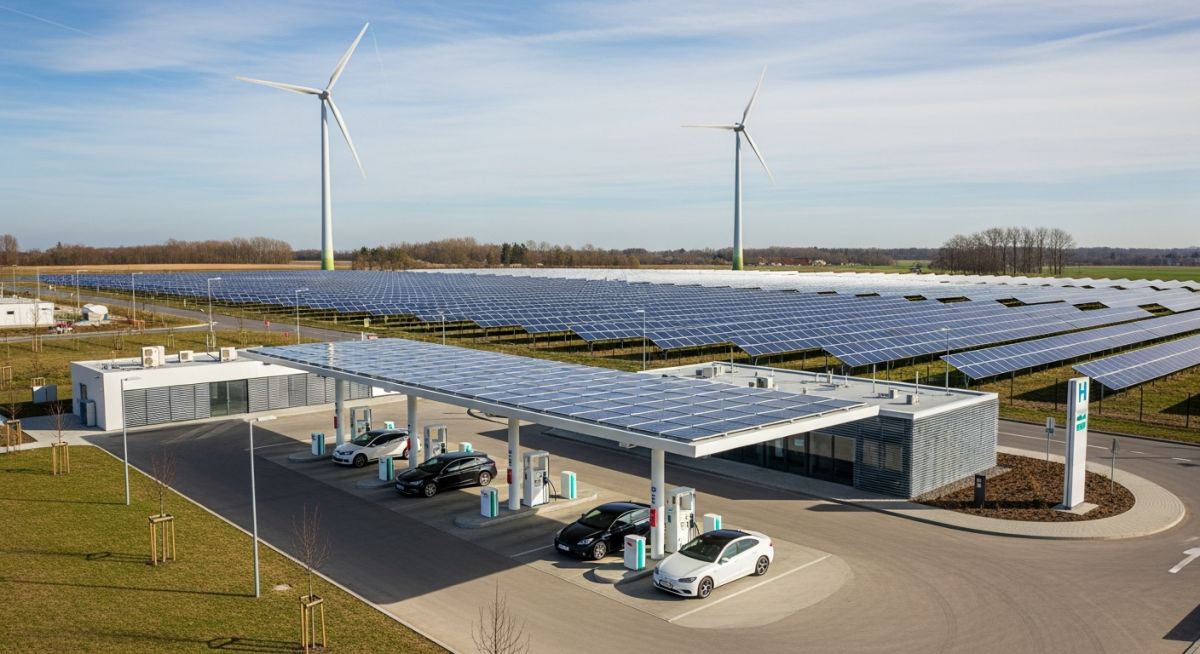
Green Hydrogen is the cornerstone of the net-zero movement. It is produced by splitting water (H2O) into hydrogen and oxygen using an electrolyzer powered by 100% renewable energy sources like wind, solar, or hydro. This process produces no direct CO2 emissions. However, the engineering bottleneck remains the Levelized Cost of Hydrogen (LCOH). As of 2026, Green Hydrogen remains more expensive than its fossil-fuel counterparts, though scaling electrolyzer manufacturing and falling renewable costs are rapidly closing the gap.
Technical Note
For a production facility to be certified as "Green," it must often meet Additionality requirements—meaning the renewable energy used must come from new assets specifically built for hydrogen production, ensuring that clean energy isn't diverted from the existing power grid.
Blue Hydrogen: Bridging the Gap with Carbon Capture
Blue Hydrogen represents a strategic middle ground. It utilizes the same Steam Methane Reforming (SMR) or Autothermal Reforming (ATR) technology as Grey hydrogen, but with one critical addition: Carbon Capture and Storage (CCS). Up to 90-95% of the CO2 generated during the process is captured and sequestered underground in depleted oil and gas reservoirs or saline aquifers. For EPC contractors, Blue Hydrogen is often the preferred short-term solution because it leverages existing natural gas infrastructure while drastically reducing the facility's carbon footprint.
Grey Hydrogen: The Industrial Benchmark for Global Production
Currently, Grey Hydrogen dominates the global market, accounting for nearly 95% of industrial supply. It is produced via Steam Methane Reforming (SMR), where methane reacts with high-pressure steam (700°C–1,000°C) in the presence of a nickel catalyst. While cost-effective, the environmental toll is significant; for every ton of hydrogen produced, roughly 9 to 12 tons of CO2 are released into the atmosphere. Engineering standards such as ASME B31.12 govern the piping and pipeline requirements for these high-pressure, high-temperature gaseous environments.
Black and Brown Hydrogen: The High-Emission Coal Legacy
In regions with vast coal reserves, Black Hydrogen (bituminous coal) and Brown Hydrogen (lignite) are produced through gasification. This process involves reacting coal with oxygen and steam under high pressure to create syngas. From a carbon intensity perspective, this is the least "clean" method in the Colors of Hydrogen spectrum, producing nearly double the emissions of Grey Hydrogen.
Technical Comparison: Carbon Intensity & Production Efficiency
| Hydrogen Color | Primary Feedstock | CO2 Intensity (kg/kg H2) | Applicable Standard |
|---|---|---|---|
| Green | Water + Renewables | ≈ 0 - 0.5 | ISO 22734 (Electrolyzers) |
| Blue | Natural Gas + CCS | 1.0 - 3.0 | API RP 12GDU (CCS Specs) |
| Grey | Natural Gas (SMR) | 9.0 - 12.0 | ASME B31.12 |
| Brown/Black | Coal Gasification | 18.0 - 20.0 | ISO/TR 15916 (Safety) |
Pink, Red, and Purple: The Nuclear Spectrum of Colors of Hydrogen
When the grid cannot sustain the variable nature of wind and solar, nuclear power steps in. Pink Hydrogen is produced via electrolysis powered by a nuclear reactor. Red Hydrogen specifically utilizes the high-temperature thermal energy from the reactor to improve electrolysis efficiency (High-Temperature Steam Electrolysis). This pathway is increasingly relevant as Small Modular Reactors (SMRs) gain traction in the 2026 energy mix.
Turquoise Hydrogen: Methane Pyrolysis and Solid Carbon
Turquoise Hydrogen is an emerging "bridge" technology. Using methane pyrolysis, methane is broken down into hydrogen gas and solid carbon (carbon black), rather than CO2 gas. This eliminates the need for complex carbon capture storage, as the solid carbon can be used in tire manufacturing or construction, effectively "locking" the carbon in a physical form.
Carbon Intensity & LCOH Estimator (2026)
Estimate the environmental impact and cost delta between various Colors of Hydrogen based on your specific production capacity.
Estimated Annual CO2 Footprint
Equivalent to the emissions of approx. 2,391 passenger vehicles.
Don't miss this video related to Colors of Hydrogen
Summary: Master Piping Engineering with our complete 125+ hour Certification Course: ......
Case Study: Retrofitting for the Blue Hydrogen Shift
Industrial Scenario
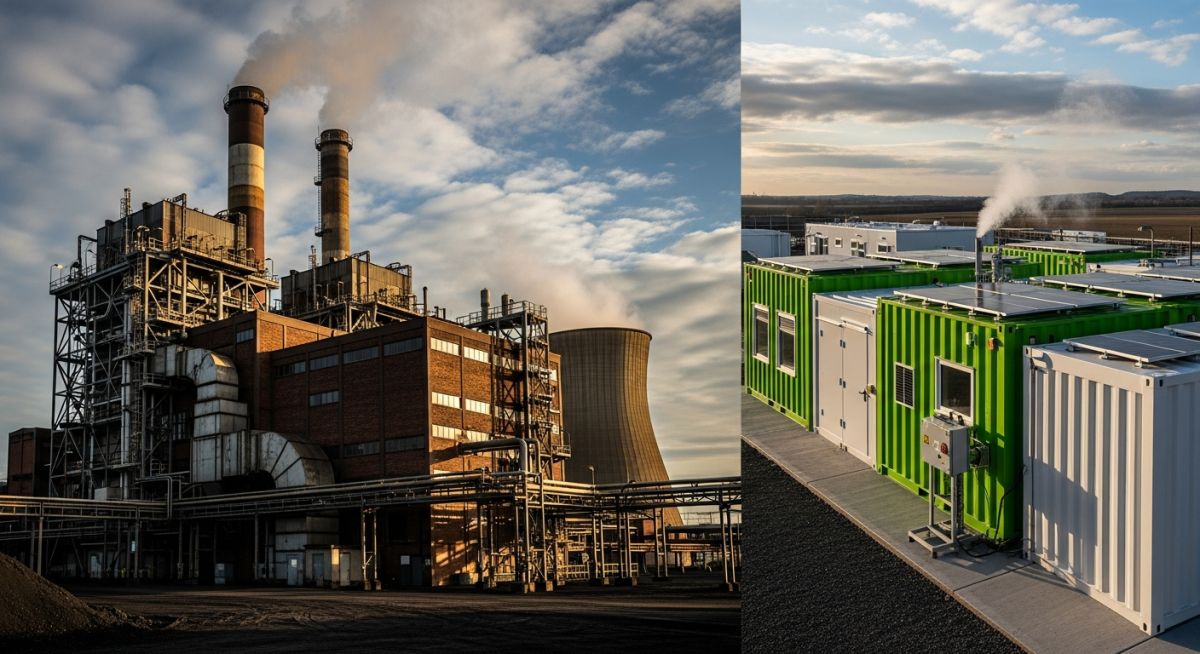
In 2024, a major European refinery operating a massive Grey Hydrogen SMR (Steam Methane Reforming) unit faced escalating carbon taxes under the EU Emissions Trading System (ETS). The facility was producing 50,000 tons of H2 annually, resulting in roughly 500,000 tons of CO2 emissions.
The engineering objective was to transition to Blue Hydrogen by integrating a post-combustion carbon capture unit. This required a significant redesign of the heat recovery steam generator (HRSG) and the installation of an amine-based absorption tower to strip CO2 from the flue gas.
Project Outcomes:
- ● Emission Reduction: Captured 92% of process emissions (460,000 tons CO2/year).
- ● Standard Compliance: Retrofit met API Standards for high-pressure CO2 transport.
- ● Cost Delta: OPEX increased by 18% due to solvent regeneration energy requirements.
Lessons for Lead Engineers
The primary challenge was not the chemical process, but the infrastructure footprint. Adding carbon capture to an existing Grey Hydrogen plant requires substantial plot space for compressors and dehydration units. Engineers must perform a rigorous "Brownfield vs. Greenfield" analysis before committing to the Blue pathway. Furthermore, the selection of the capture technology (Amine vs. VPSA) significantly dictates the final Carbon Intensity of the produced hydrogen.
Expert Insights: Lessons from 20 years in the field
The "Rainbow" vs. The Reality
In my decades of consulting on EPC projects, I've seen the Colors of Hydrogen evolve from academic theory to multi-billion dollar investment criteria. The most critical takeaway? Do not let the color distract you from the Methane Leakage in the upstream supply chain. A "Blue" plant with 3% upstream leakage can have a worse climate impact than modern "Grey" production.
Hydrogen Embrittlement Risks
Regardless of the color, the physics of H2 remains the same. As we shift to high-purity Green Hydrogen, metallurgical selection for pipelines must be more stringent. Ensure your team follows ASME B31.12 to prevent catastrophic embrittlement in carbon steel alloys.
Frequently Asked Questions
What is the most common color of hydrogen produced today? ▼
Currently, Grey Hydrogen is the most common, accounting for nearly 95% of global production. It is produced from natural gas via Steam Methane Reforming (SMR) and is favored for its low production cost, despite its high carbon footprint.
Why is Green Hydrogen so much more expensive than Blue or Grey? ▼
The cost of Green Hydrogen is driven by the price of renewable electricity and the high capital expenditure (CAPEX) of electrolyzers. While Grey hydrogen costs approx $1-2/kg, Green hydrogen currently sits between $4-6/kg, though this is falling as scale increases.
Can "White" hydrogen actually be commercialized? ▼
White Hydrogen (natural geological deposits) is in the early exploration phase. While promising due to its potentially very low cost, the industry still lacks standardized extraction and purification protocols similar to the mature oil and gas sector.
Is my facility at risk if we only produce Grey Hydrogen? ▼
From a technical standpoint, no; however, from a financial and regulatory standpoint, yes. Carbon taxes and ESG mandates in 2026 make Grey hydrogen assets increasingly liable to high carbon pricing, making a transition to Blue or Green essential for long-term viability.
What is the "Parasitic Load" in Blue Hydrogen production? ▼
Parasitic load refers to the energy consumed by the Carbon Capture unit itself. This includes the steam needed for solvent regeneration and the electricity for CO2 compression, which can reduce the overall plant efficiency by 15-20% compared to a Grey H2 plant.
How do I certify my hydrogen color for export? ▼
Certification requires a Well-to-Gate lifecycle analysis. You must track the carbon intensity from the feedstock source through to the plant gate, often using third-party auditors and adhering to standards like ISO/TR 15916.
References & Standards
- International Organization for Standardization: ISO/TR 15916:2015 Basic considerations for the safety of hydrogen systems
- American Society of Mechanical Engineers: ASME B31.12 Hydrogen Piping and Pipelines
- American Petroleum Institute: API Standards for Carbon Capture and Storage (CCS)
- International Energy Agency (IEA): The Future of Hydrogen: Seizing Today's Opportunities
📚 Recommended Resources: Colors of Hydrogen
Read these Guides


Related posts:
![High-grade industrial Wing Nut Types and Applications for mechanical assemblies.]()
Wing Nut Types and Applications: The 2026 Engineering Guide
![Industrial Monorail Crane Systems installed in a modern manufacturing plant 2026.]()
Monorail Crane Systems: Design, Types & 2026 Standards Guide
![Lead engineer performing a Factory Acceptance Test FAT on an industrial skid system 2026]()
Factory Acceptance Test FAT: The 2026 Engineering Guide to Zero-Defect Delivery
![Professional engineering workspace showing a Basis of Design document layout for a 2026 project.]()
Basis of Design: How to Write a BOD for Engineering Projects in 2026
![Industrial Flare Knockout Drum Sizing and installation in a refinery relief system.]()
Flare Knockout Drum Sizing: Design & API 521 Standards (2026 Guide)
![Advanced Reboiler Control Systems in a modern petrochemical refinery 2026.]()
Reboiler Control Systems: Engineering Guide to Precision Control 2026