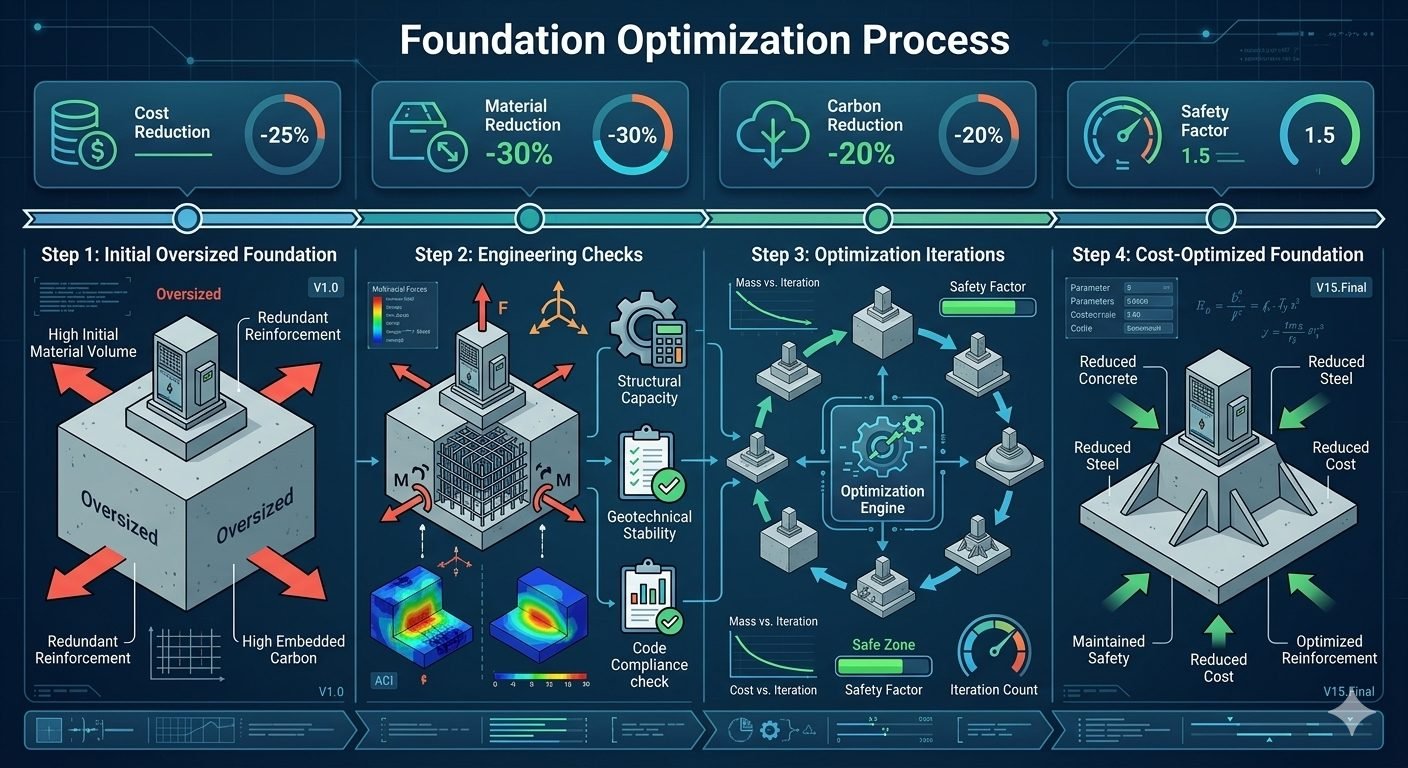
Discover how a 4-step foundation optimization process reduces costs by 25%, materials by 30%, and carbon emissions while maintaining a 1.5 safety factor.

Master anchor bolt system check calculations per ACI 318. Evaluate tension resistance, concrete breakout capacity, and overturning moments.
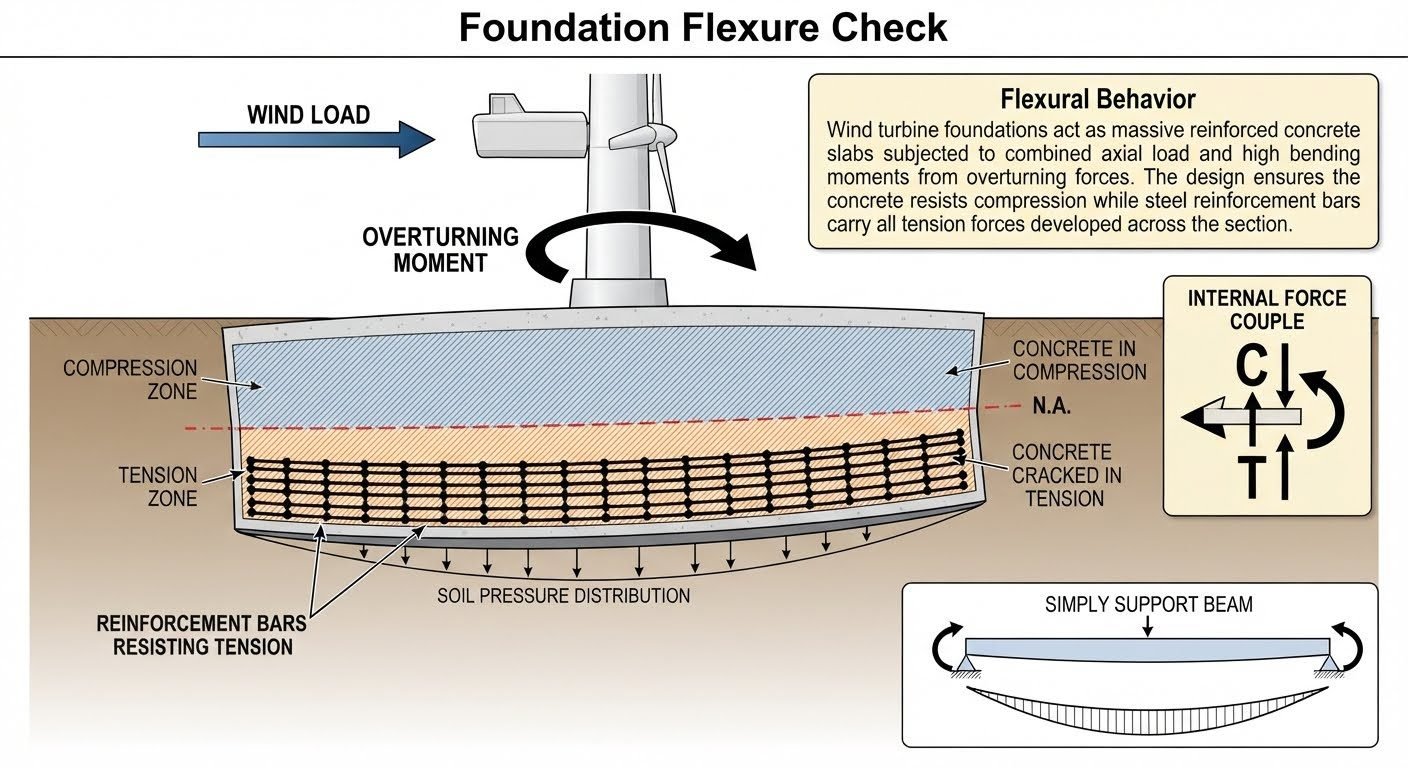
Learn how to run a foundation flexure check for wind turbine slabs under ACI 318. Calculate the neutral axis and reinforcement limits with my guide.
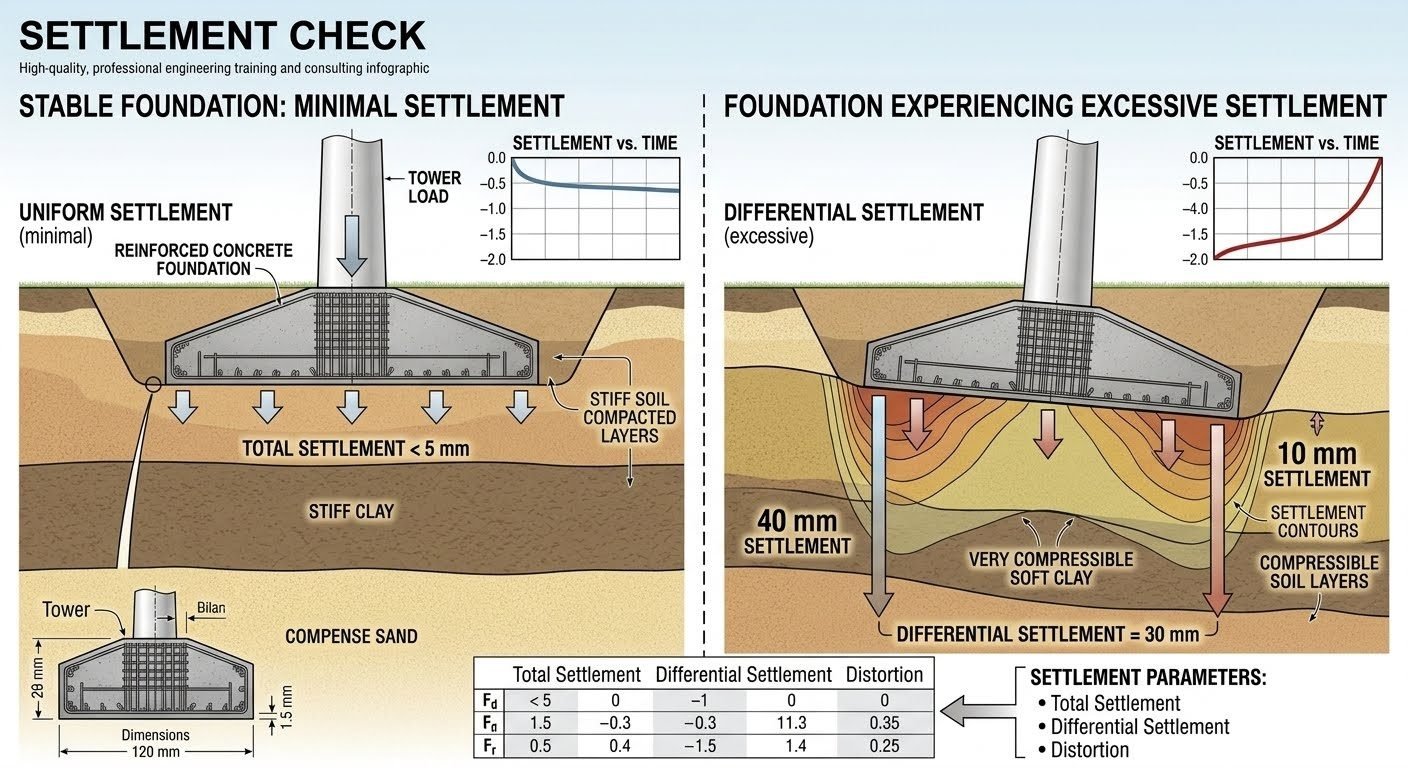
Master the foundation settlement check for industrial towers. Learn to evaluate total settlement, differential movement, and angular distortion per standards.
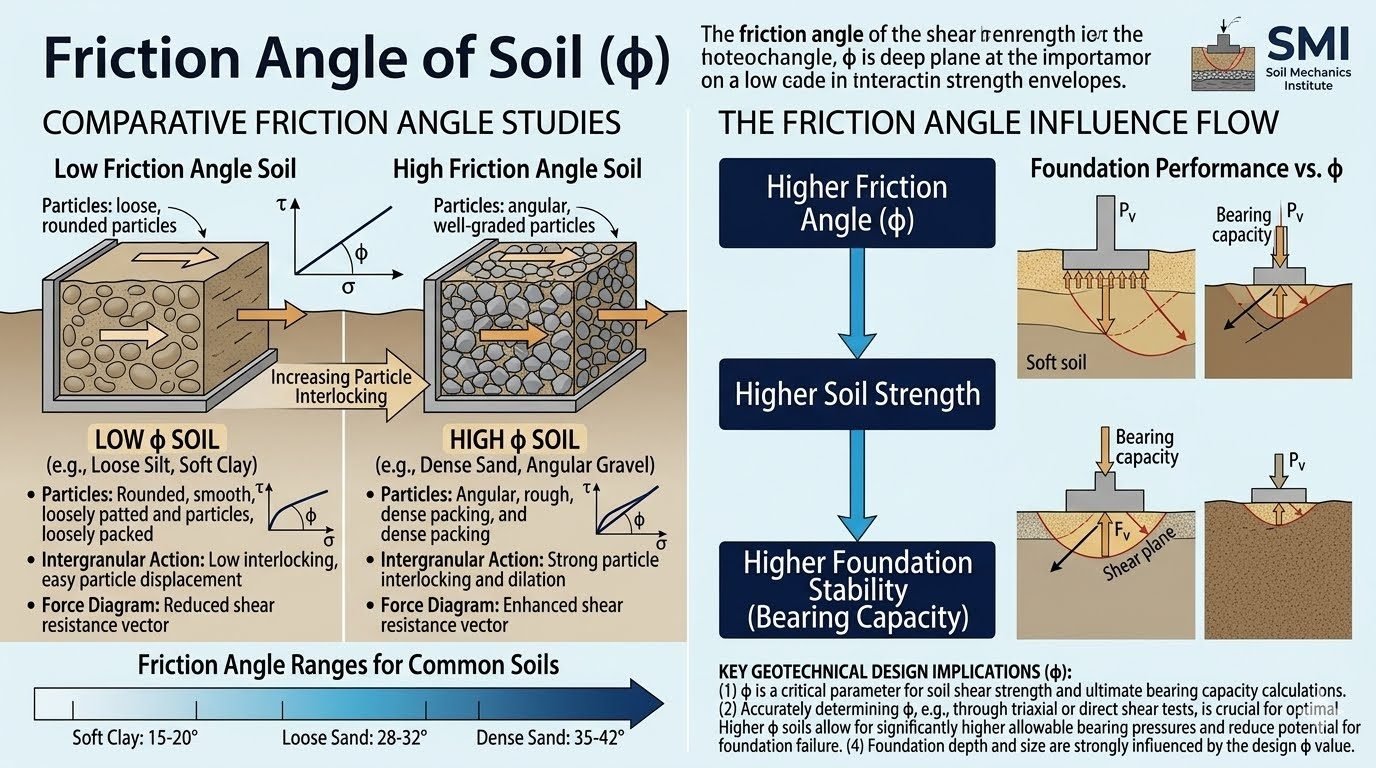
Discover how the soil friction angle influences shear strength and foundation stability using Mohr-Coulomb parameters and ASTM testing standards.
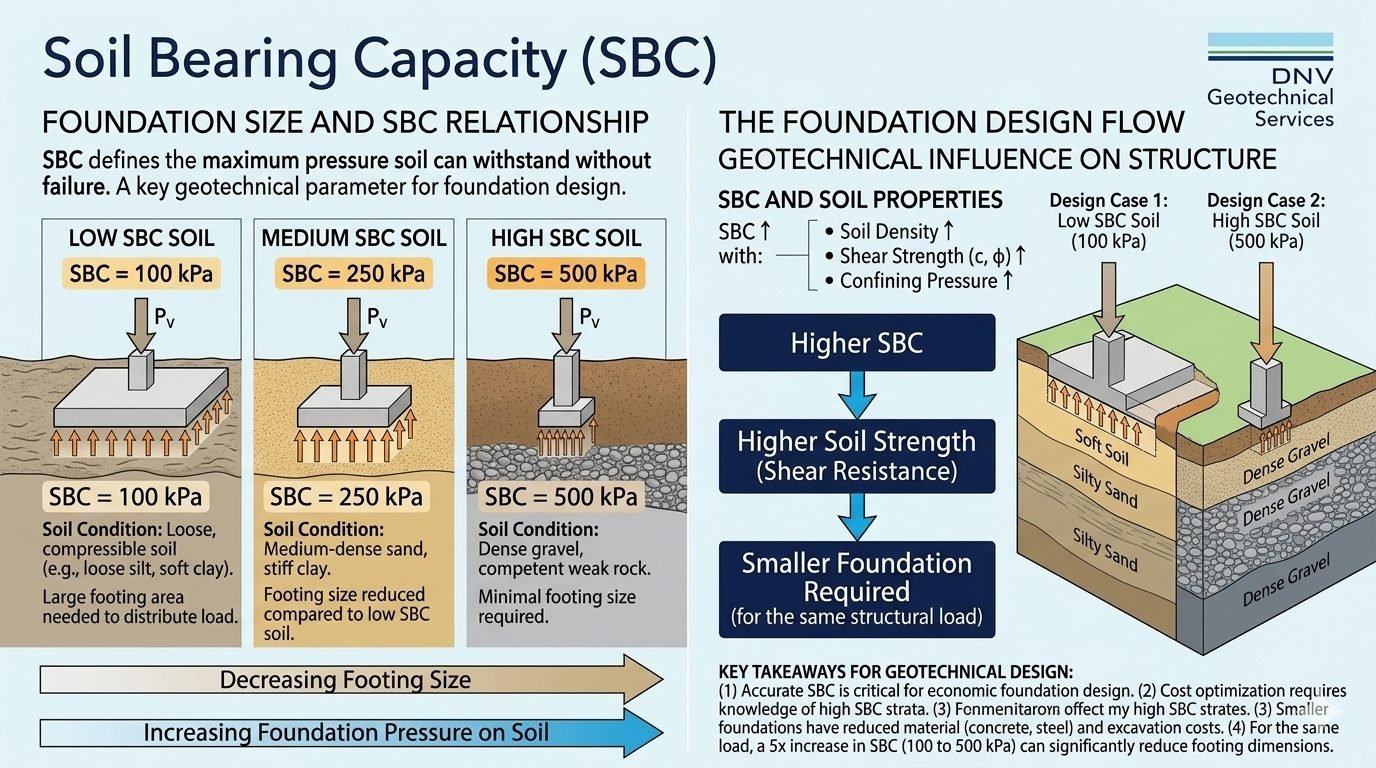
Master soil bearing capacity for foundation design. Learn SBC formulas, soil conditions, and how capacity impacts structural sizing per standards.
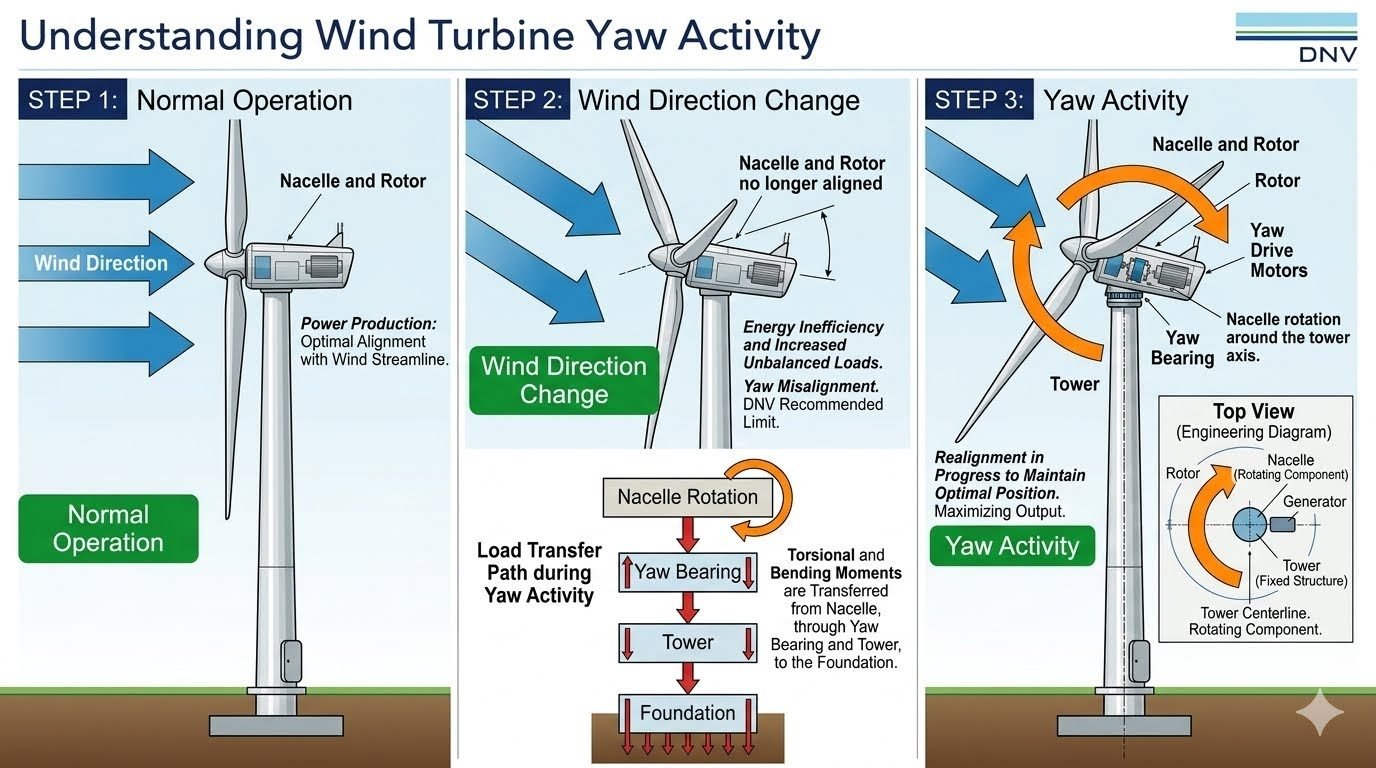
Master Wind Turbine Yaw Activity with engineering insights on nacelle alignment, DNV limits, yaw bearings, and structural load transfer paths.
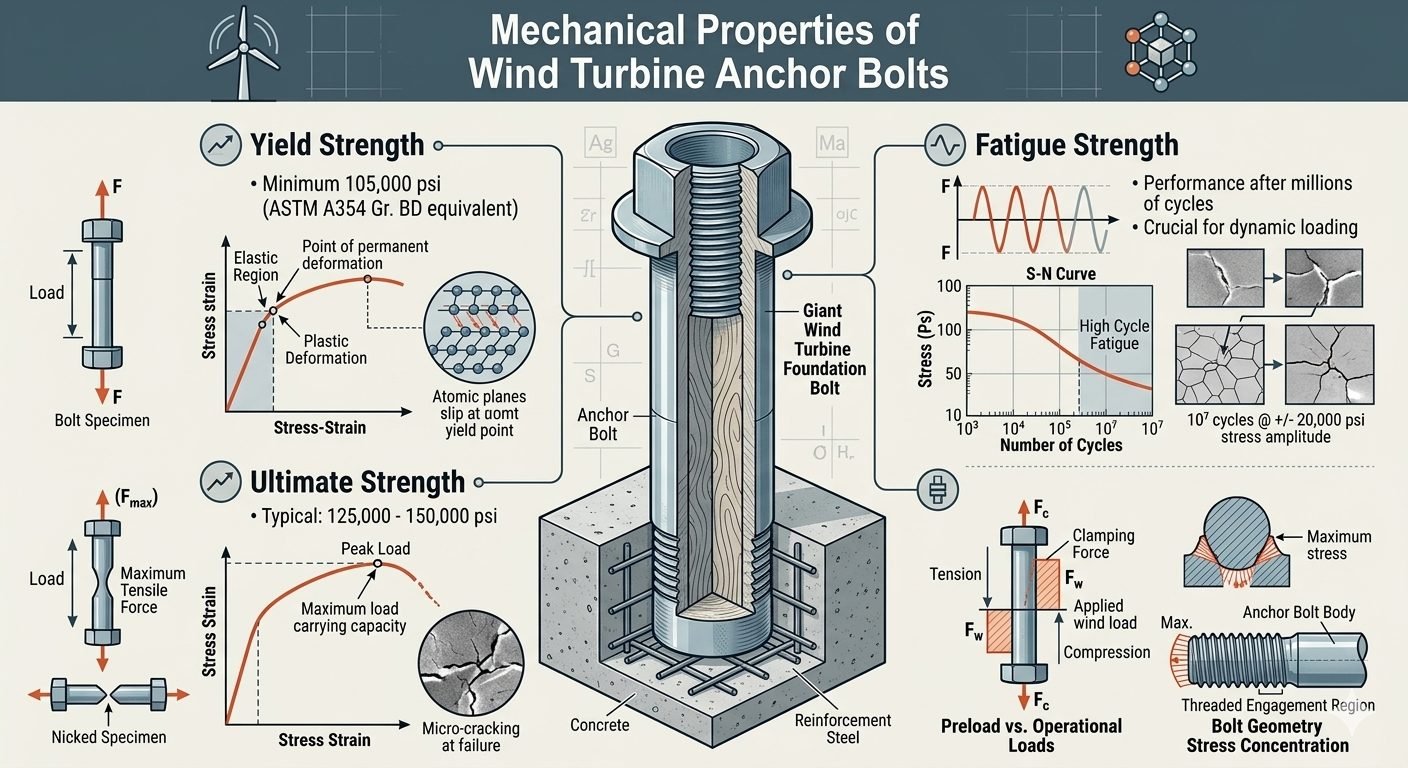
Discover the mechanical properties of wind turbine anchor bolts, including yield strength, ultimate tensile limits, and fatigue performance standards.
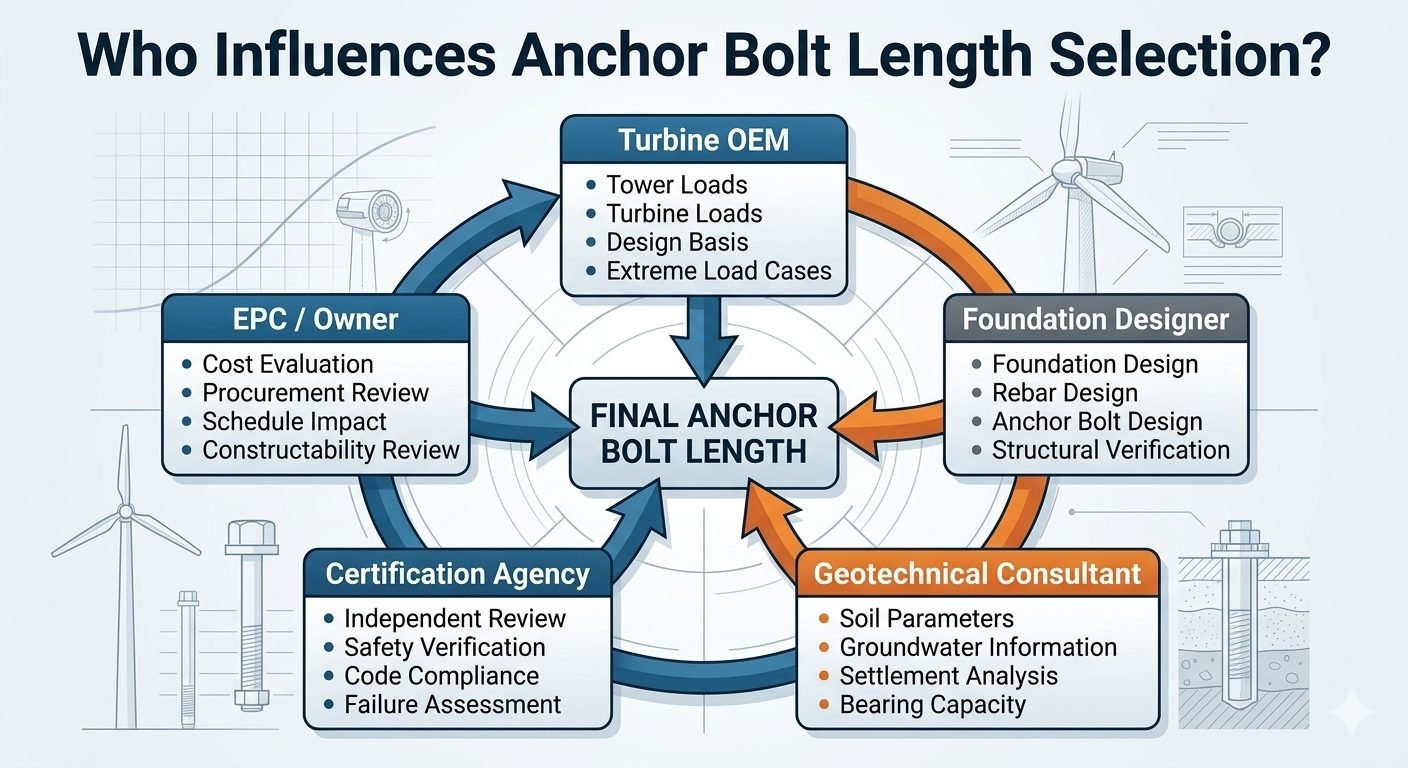
Discover how 5 key stakeholders determine wind turbine anchor bolt length, balancing OEM loads, geotechnical data, and structural codes.
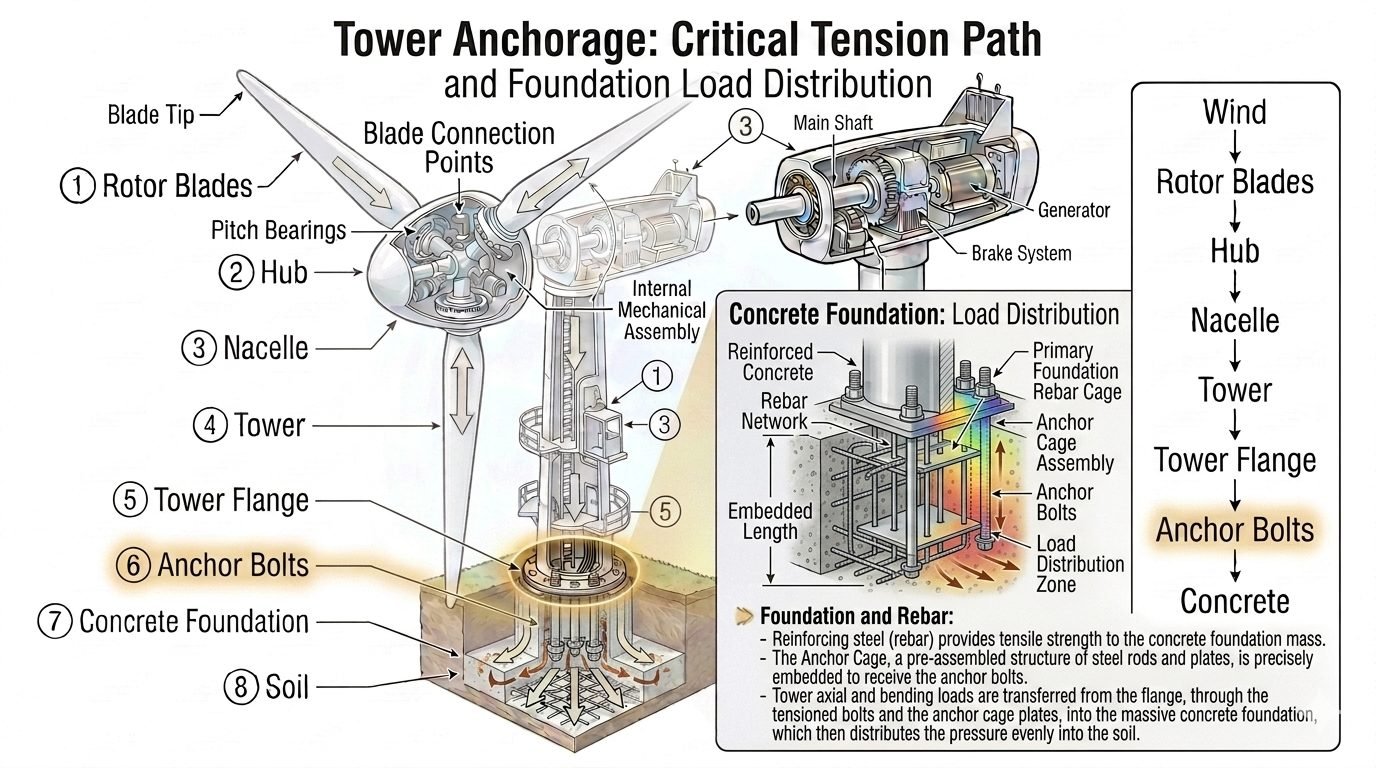
Master reinforced concrete foundation design for piping structures. Learn anchor cage integration, load transfer, and ACI code compliance.
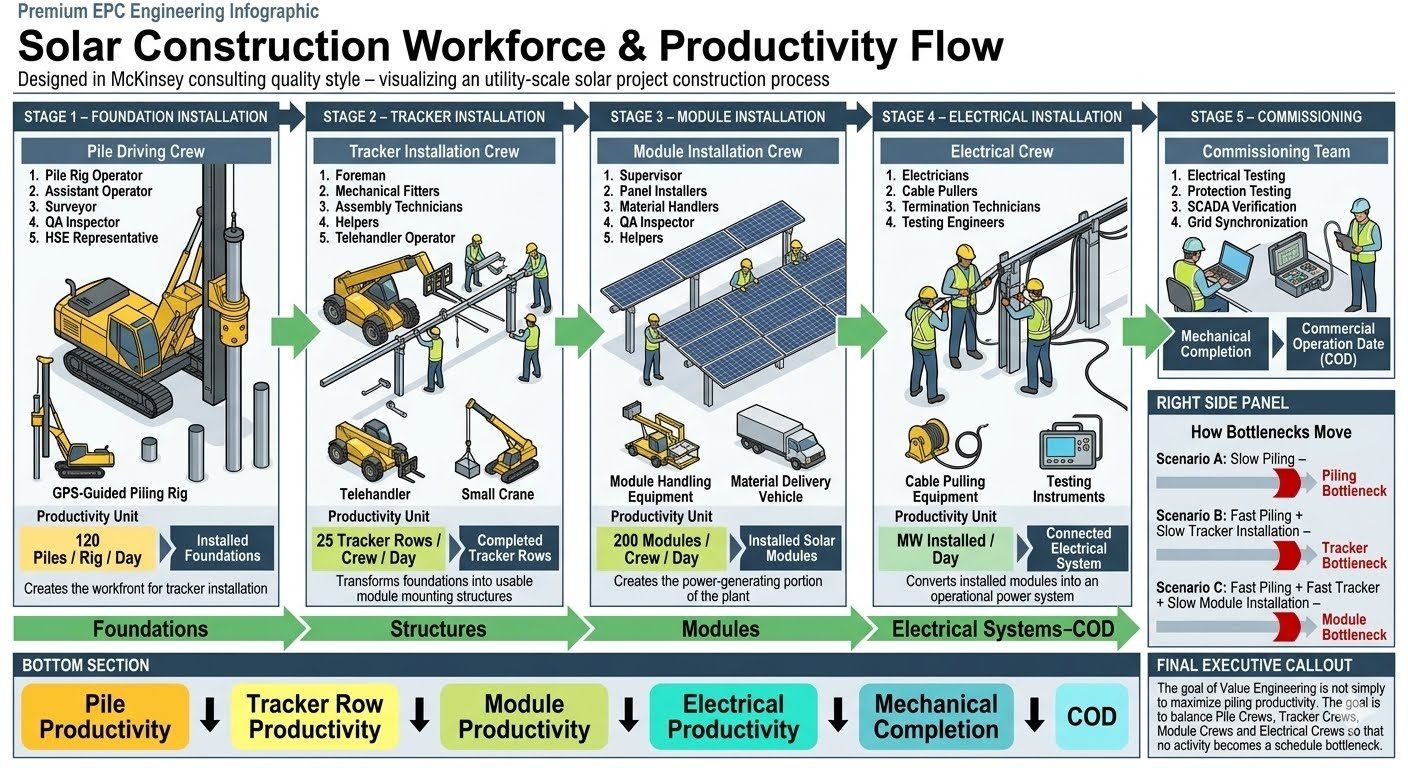
Discover the five sequential stages of a utility-scale solar project construction workforce, managing crews, productivity rates, and workflow bottlenecks.
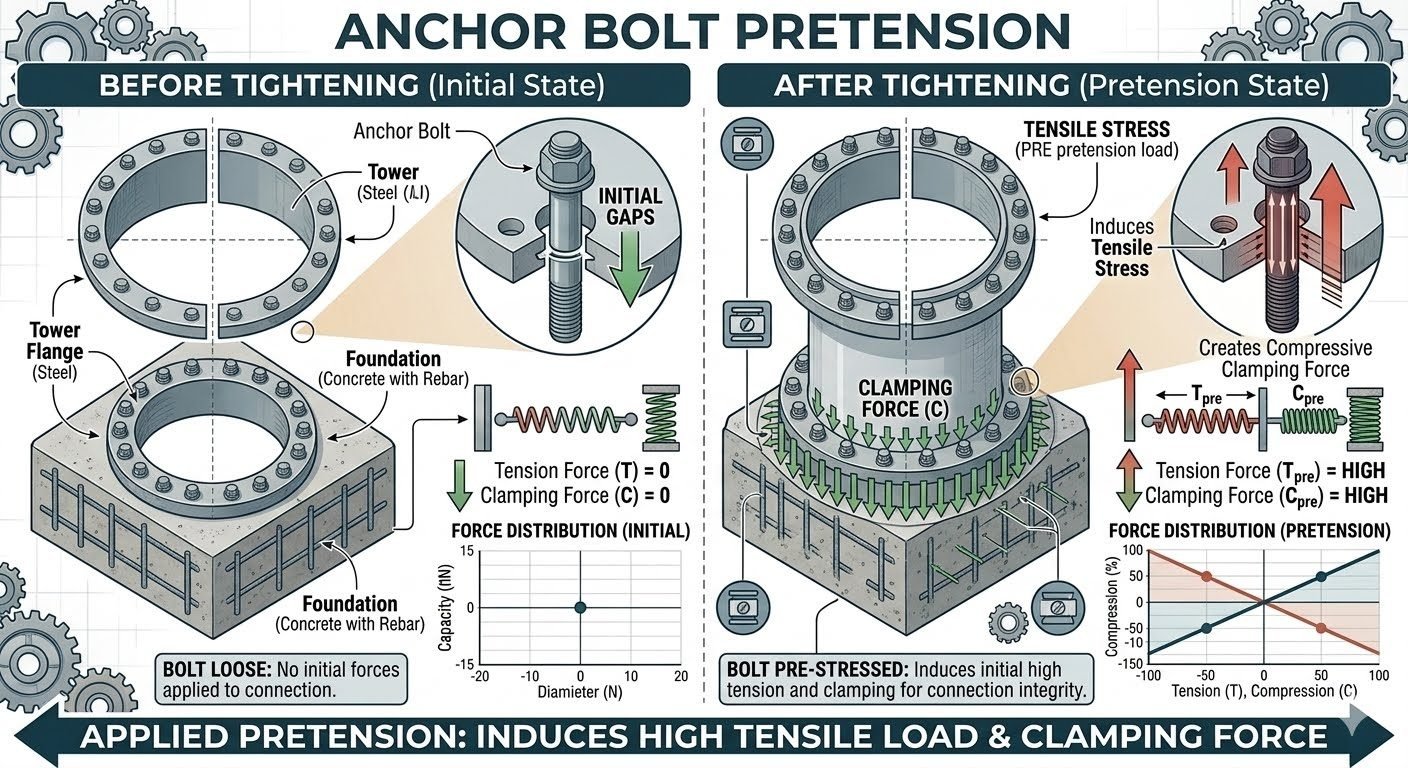
Master anchor bolt pretension mechanics for tower flanges. Learn initial vs tightened states, clamping force, and ASME/AISC standards.